Paramahansa Yogananda Invited to White House; Settles in the U.S.
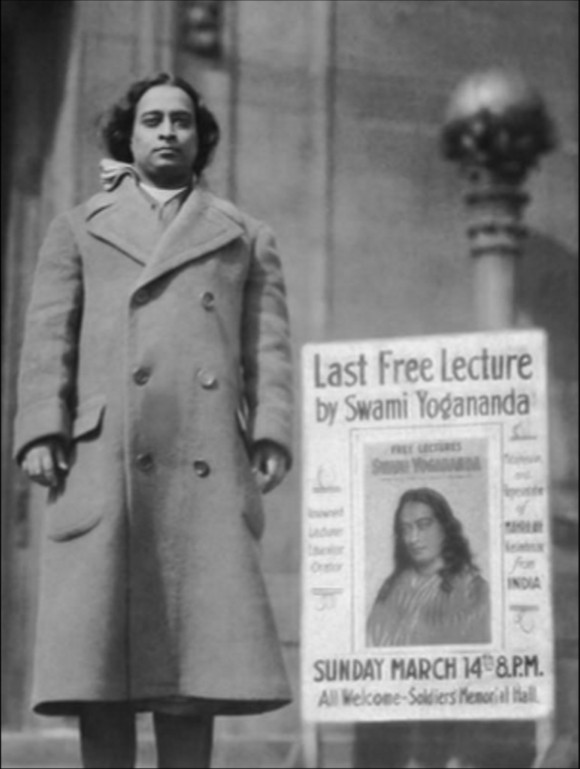
Paramahansa Yogananda settled permanently in the United States in 1920, becoming the first major Hindu spiritual teacher to build a lasting American movement through the Self-Realization Fellowship. His influence reached the White House in 1927, when President Calvin Coolidge invited him for a personal visit. With the publication of Autobiography of a Yogi in 1946, […]
Indian Muslims Build Bridges Across Race and Religion in America
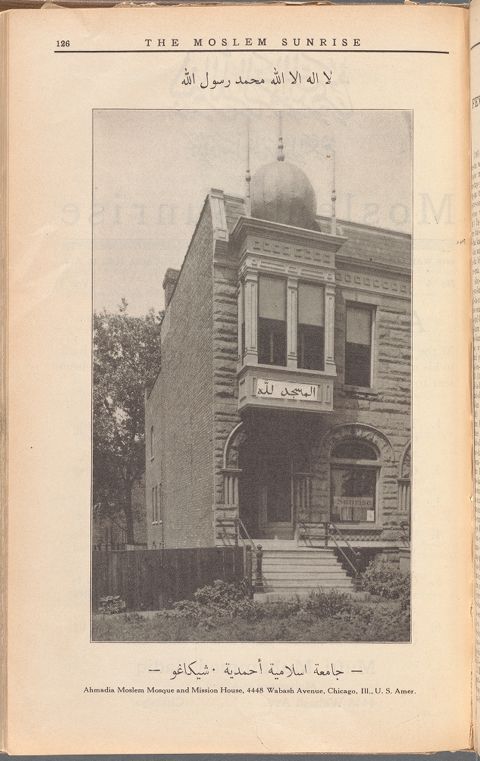
Mufti Muhammad Sadiq broadened the reach of Islam in America by founding The Moslem Sunrise in Chicago in 1921 and preaching to racially diverse audiences, welcoming hundreds of African Americans into the Ahmadiyya Muslim community. Eight decades later, Eboo Patel extended that legacy by founding Interfaith America, creating a national framework for interfaith cooperation on […]
Krishnalal Shridharani Translates Nonviolence for the American Academy
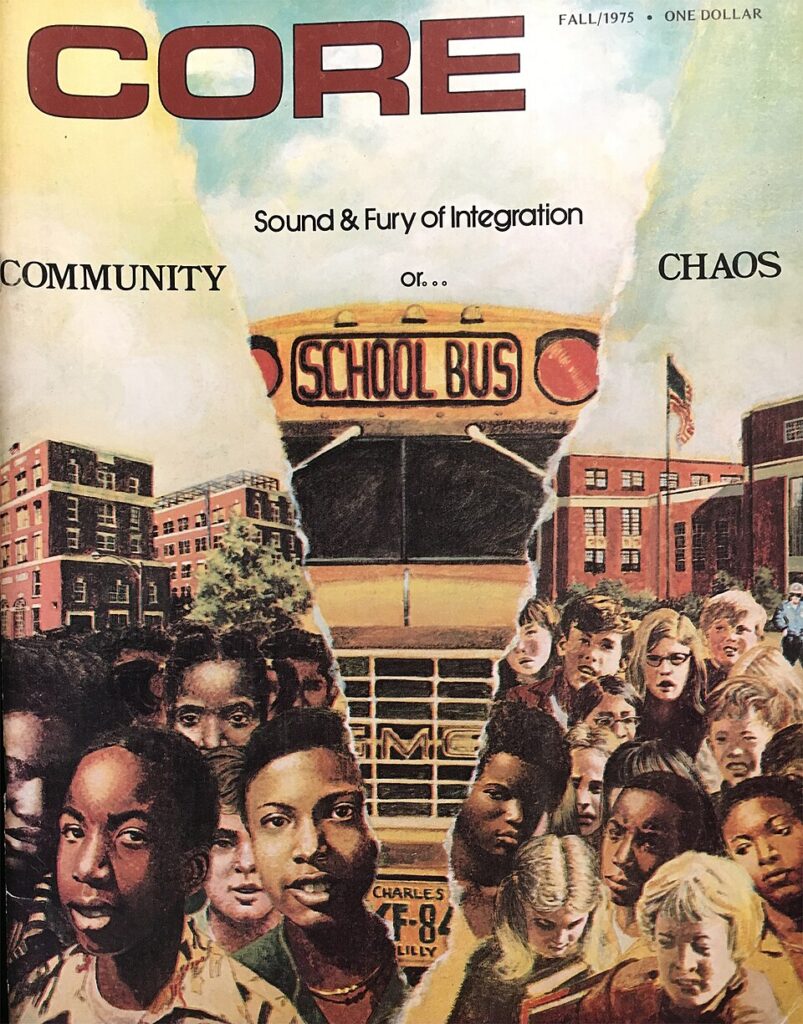
Published in 1939, War Without Violence offered the first rigorous sociological analysis of Gandhian nonviolence in English, written while Krishnalal Shridharani was a doctoral student at Columbia University. The book translated India’s independence movement into a framework American scholars and activists could study and apply. James Farmer and Bayard Rustin later credited it as a […]
Breaking Into Classic American Cinema
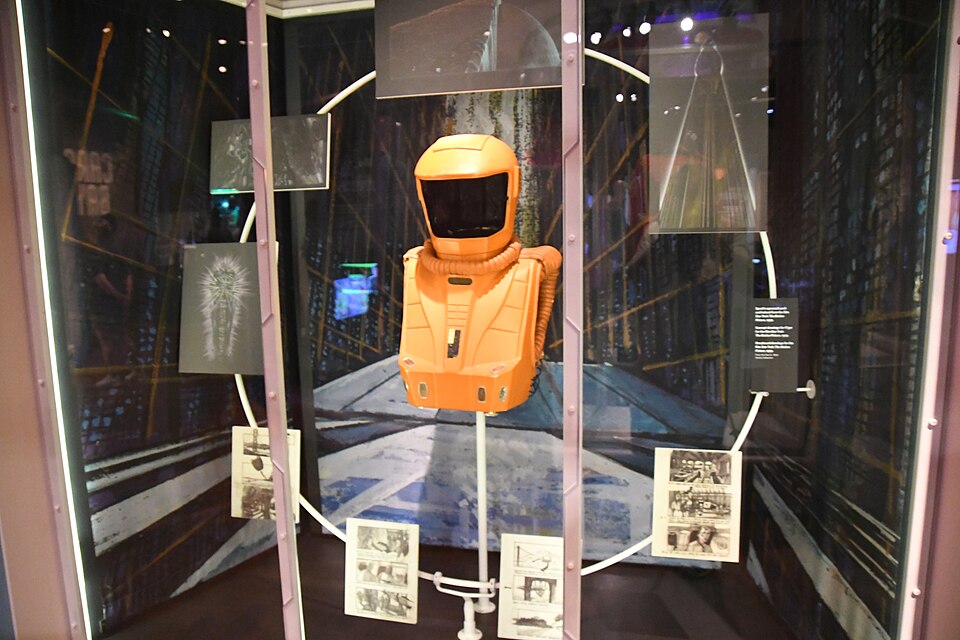
South Asian actors gained an early foothold in American cinema through a series of breakthrough performances across the twentieth century. Merle Oberon earned an Academy Award nomination for The Dark Angel in 1935, Sabu Dastagir became one of Hollywood’s most recognizable young stars, and Persis Khambatta had a prominent starring role in Star Trek: The […]
Building American Collections of Indian Art
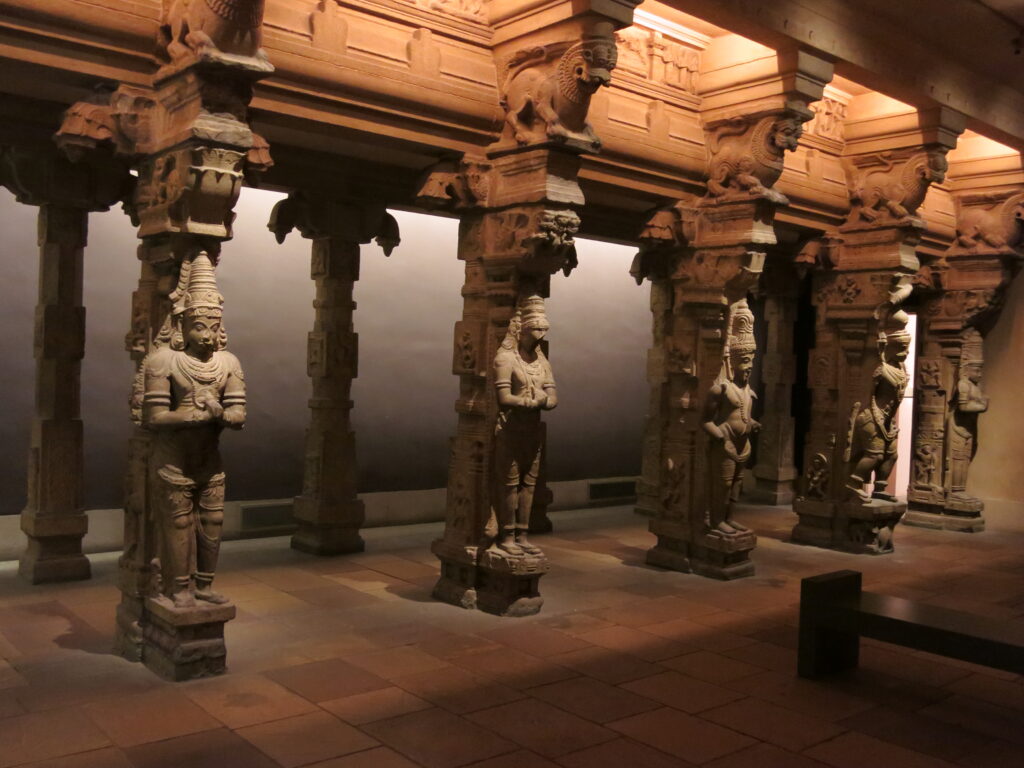
Major U.S. museums initially presented South Asian and Indian art within broader archaeological, ethnographic, or “Oriental” collections before gradually establishing dedicated South Asian galleries. An important milestone came in 1919, when the Philadelphia Museum of Art acquired and later permanently installed a monumental sixteenth-century South Indian Temple Hall, demonstrating that Indian architecture could be displayed […]
The Diaspora Expands the Scope of the American Literary Canon
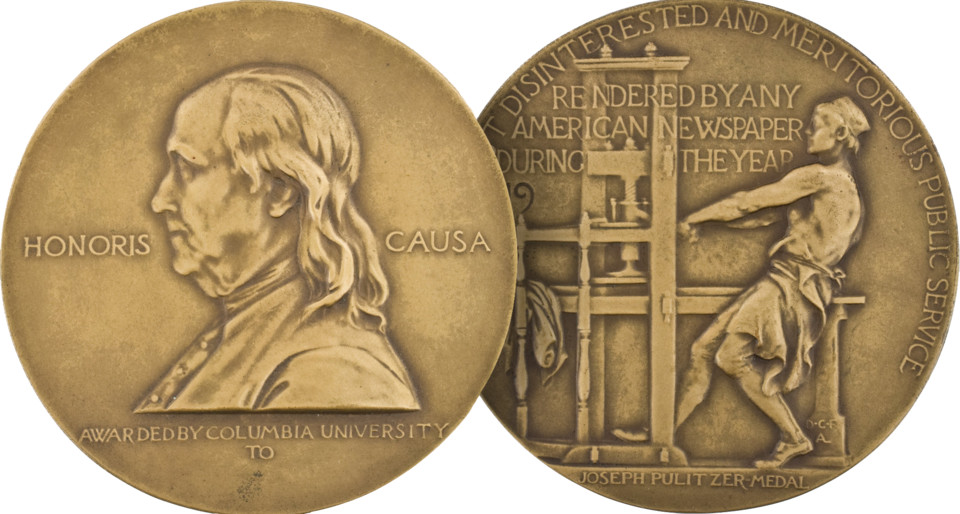
Over the course of a century, Indian American writers expanded the boundaries of American literature and redefined whose stories belonged within it. Dhan Gopal Mukerji’s 1928 Newbery Medal introduced themes rarely seen in American publishing. Bharati Mukherjee’s National Book Critics Circle Award asserted the immigrant experience as central to American identity, while Jhumpa Lahiri’s Pulitzer […]
Chandrasekhar Limit and Nobel Prize: Reshaping Astrophysics
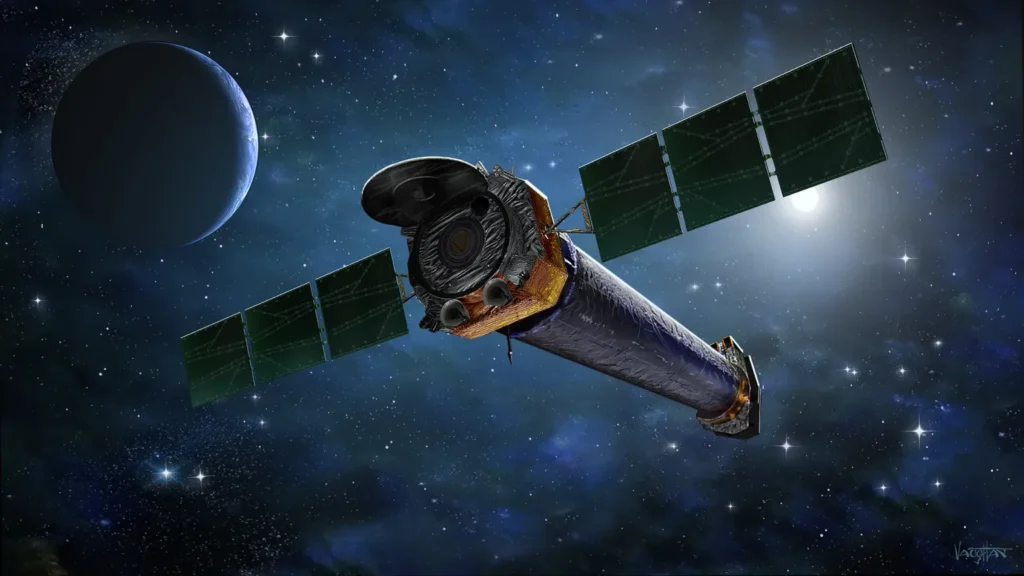
Every modern explanation of how stars become white dwarfs, neutron stars, or black holes begins with a discovery made by Subrahmanyan Chandrasekhar. In the 1930s, he calculated the maximum mass at which a white dwarf star can remain stable, a threshold now known as the Chandrasekhar Limit. The breakthrough transformed scientific understanding of stellar evolution […]