The Scientific Paradigm Shift Beyond CO2

Atmospheric scientist Veerabhadran “Ram” Ramanathan demonstrated that chlorofluorocarbons (CFCs) were far more potent greenhouse gases than carbon dioxide, transforming scientific understanding of climate change beyond CO2 alone. His research redirected attention toward a broader class of super-pollutants and helped shape the scientific foundation for international negotiations that culminated in the 1987 Montreal Protocol, one of […]
C.R. Rao Shapes Modern Statistical Science
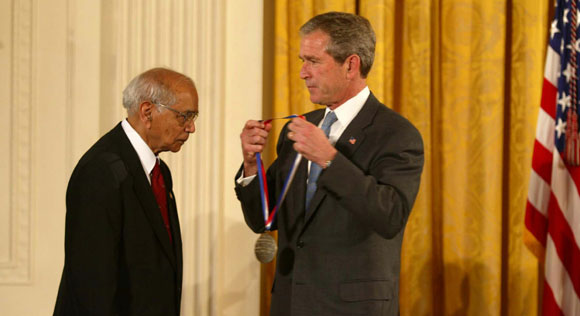
Over decades at Pennsylvania State University and the University at Buffalo, C.R. Rao developed statistical principles that became fundamental to modern scientific research. Concepts including the Cramér-Rao bound and the Rao-Blackwell theorem transformed how uncertainty, estimation, and inference are measured across disciplines. His work reshaped biostatistics, economics, engineering, and the natural sciences, influencing the analytical […]
A.K. Ramanujan Brings Classical South Asian Literature into the American Academy
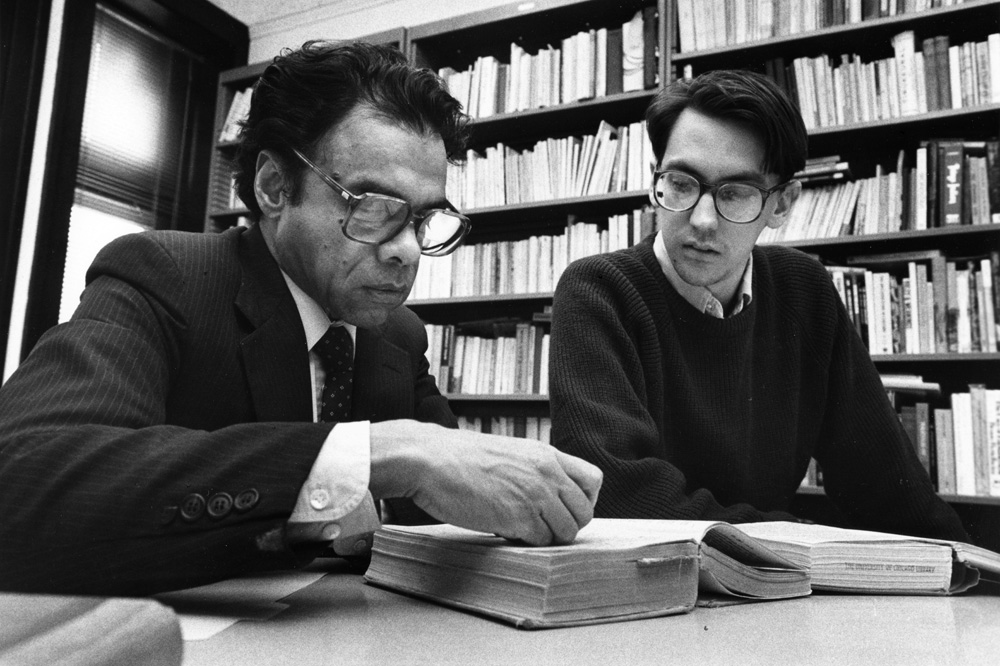
A.K. Ramanujan’s translations of classical Tamil, Kannada, and Sanskrit texts introduced South Asian literary traditions to generations of American scholars. Works including Speaking of Siva, Poems of Love and War, and The Interior Landscape became foundational texts in American universities. His essay Three Hundred Ramayanas reshaped how scholars approached mythology, religion, and textual traditions, permanently […]
Unifying a Global Label: The Creation of EMI Worldwide under Bhaskar Menon
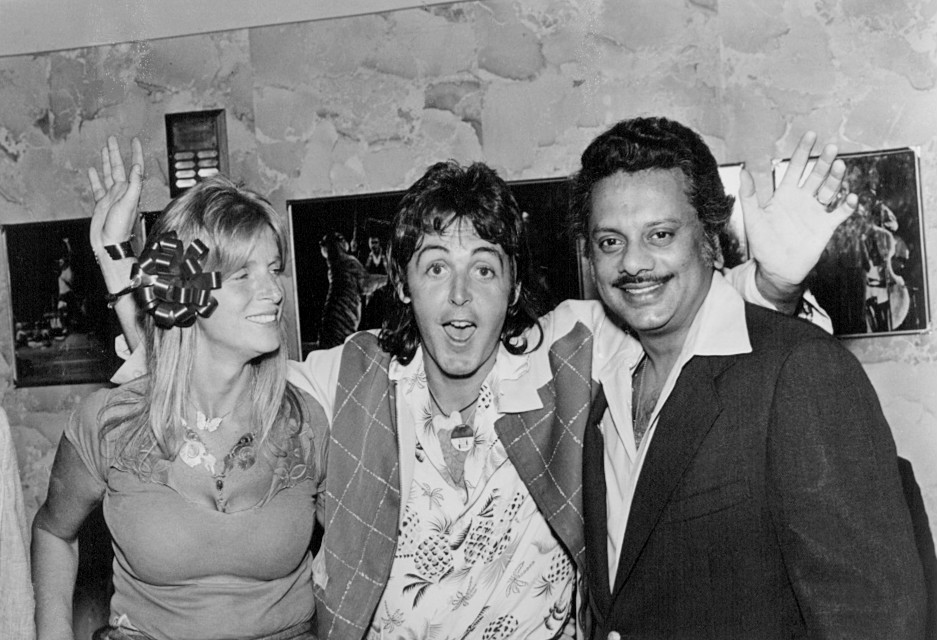
Bhaskar Menon was a pioneering executive who profoundly impacted the American music landscape as President and CEO of Capitol Records and the first Chairman of EMI Music Worldwide. Taking the helm at Capitol in 1971 amidst severe financial losses, Menon orchestrated a swift and remarkable turnaround, transforming the financially troubled label into a highly profitable […]
Zubin Mehta Appointed Music Director of the LA Philharmonic
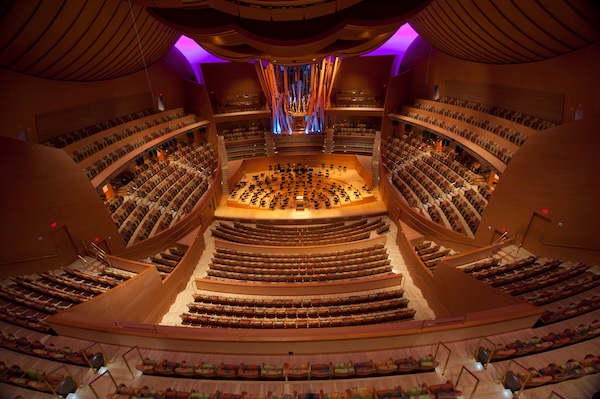
A major American cultural institution placed an Indian immigrant at its helm when the Los Angeles Philharmonic appointed 26-year-old Zubin Mehta as Music Director in 1962. At a time when leadership of elite classical music organizations remained overwhelmingly Western and European, the appointment challenged assumptions about who could shape American cultural life. Mehta’s success demonstrated […]
Indian American Directors Reshape American Visual Storytelling
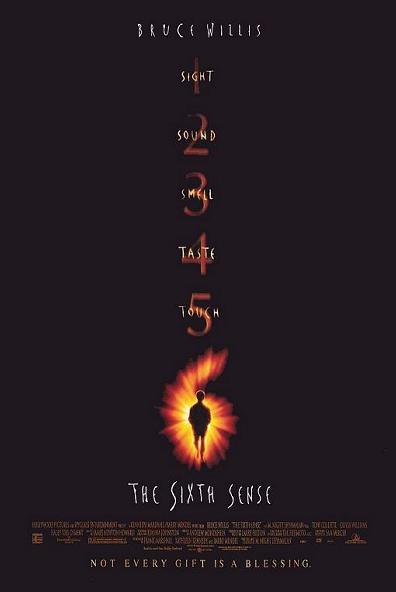
Indian American directors expanded the boundaries of American visual storytelling across film, television, and popular culture. Beginning in 1961, Ismail Merchant co-founded Merchant Ivory Productions, building one of the most influential independent film companies in American cinema and elevating the literary period drama into a major prestige genre. Decades later, Mira Nair’s Mississippi Masala brought […]
Breaking Into Classic American Cinema
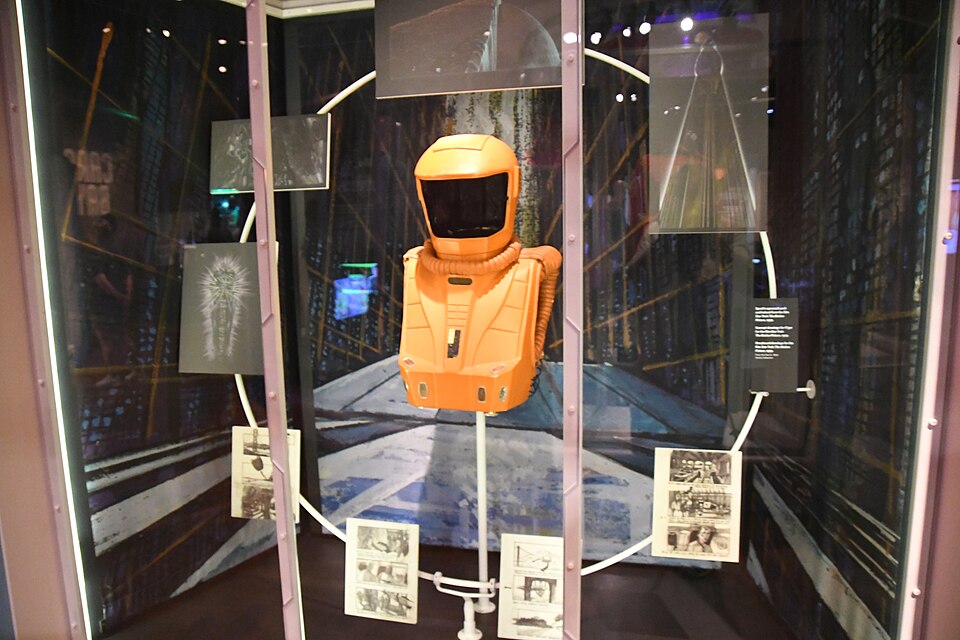
South Asian actors gained an early foothold in American cinema through a series of breakthrough performances across the twentieth century. Merle Oberon earned an Academy Award nomination for The Dark Angel in 1935, Sabu Dastagir became one of Hollywood’s most recognizable young stars, and Persis Khambatta had a prominent starring role in Star Trek: The […]
Building American Collections of Indian Art
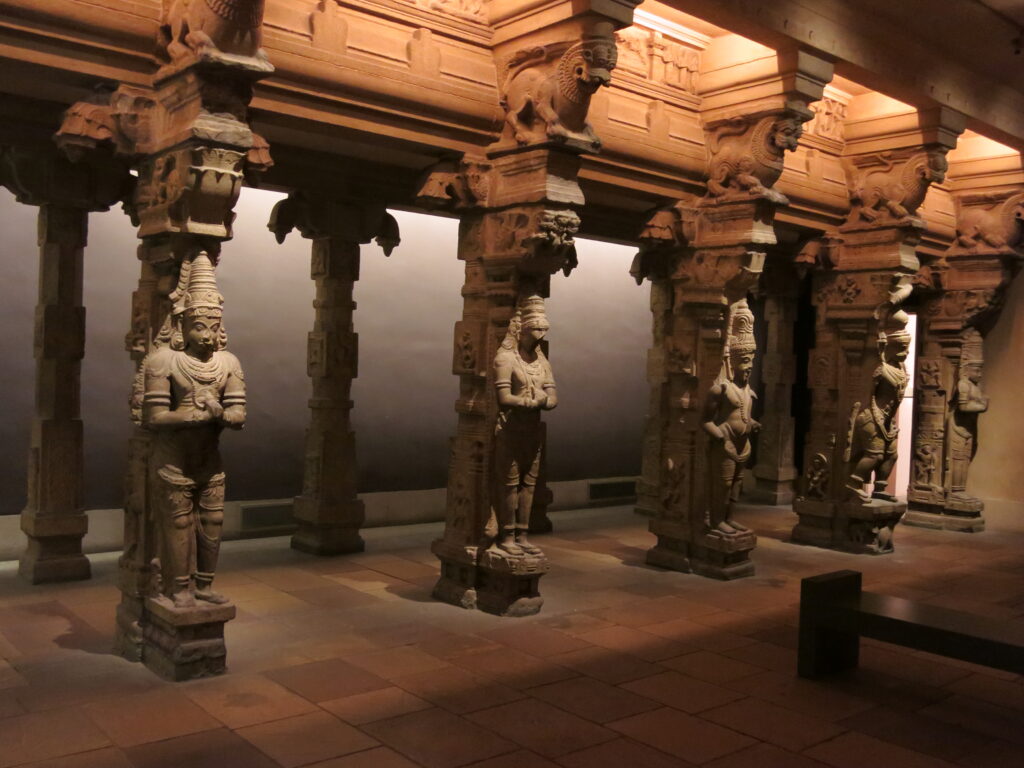
Major U.S. museums initially presented South Asian and Indian art within broader archaeological, ethnographic, or “Oriental” collections before gradually establishing dedicated South Asian galleries. An important milestone came in 1919, when the Philadelphia Museum of Art acquired and later permanently installed a monumental sixteenth-century South Indian Temple Hall, demonstrating that Indian architecture could be displayed […]
The Dawn of Indian Classical Music in the West
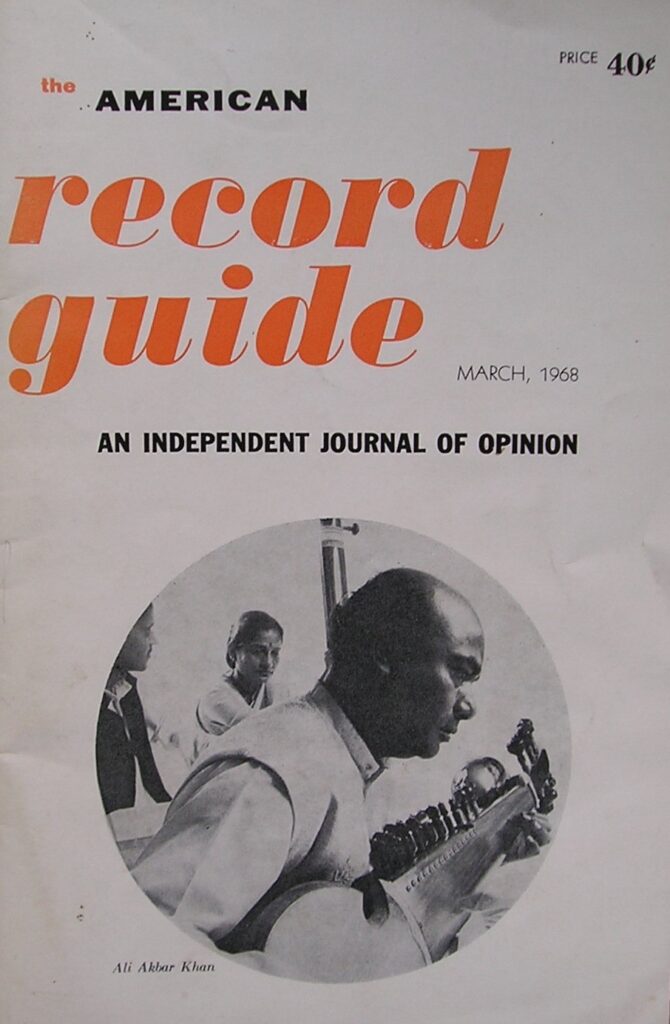
Ustad Ali Akbar Khan’s April 1955 recording session in New York City fundamentally reshaped the global musical landscape. Stepping into a temporary studio at MoMA, the sarod maestro broke through centuries of geographic isolation. He translated ancient, complex Hindustani ragas into a format accessible to Western ears. Accompanied by Chatur Lal’s precise tabla, Khan utilized […]
Transforming the Visual Arts and the American Public Square
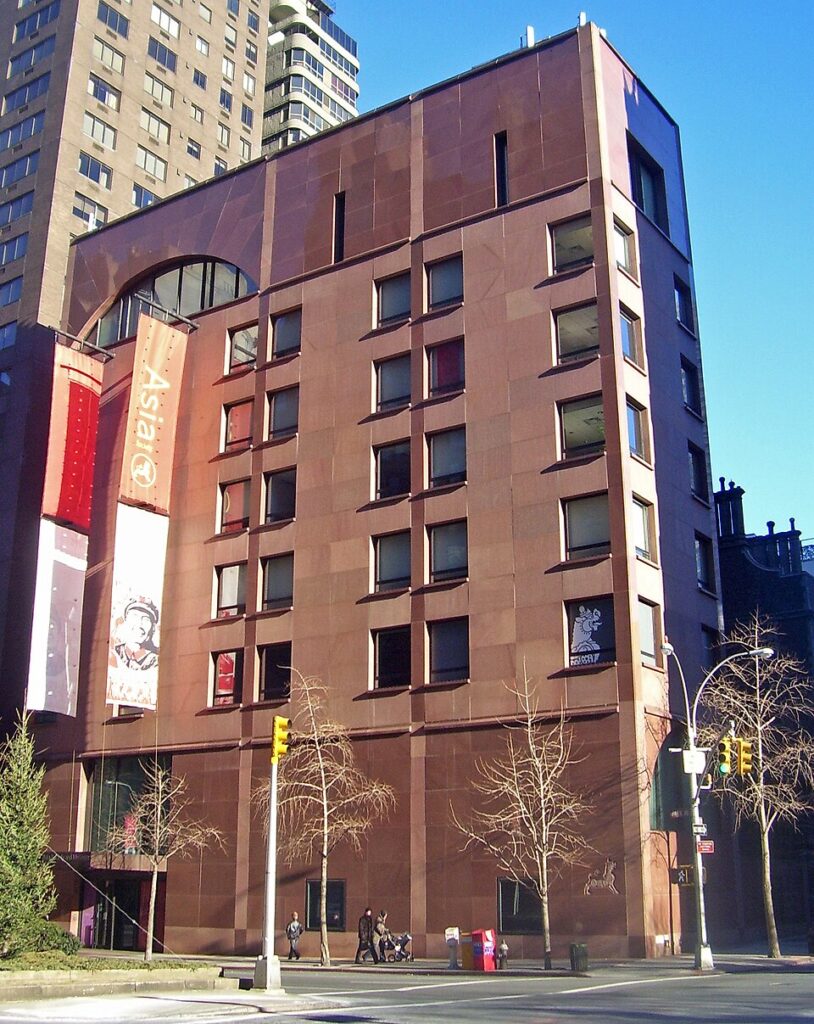
Natvar Bhavsar’s Guggenheim Fellowship (1970) placed Indian-origin abstract art inside the New York Color Field movement. Vishakha Desai’s appointment as Director of the Asia Society Museum (1990) shifted a major institution’s focus toward South Asian and Indian American artists, a curatorial shift extended through the Met Breuer’s inaugural Nasreen Mohamedi show (2016) and Tara Sabharwal’s […]