

Indian-Origin Economists Reshape the American Academy’s Understanding of Global Development
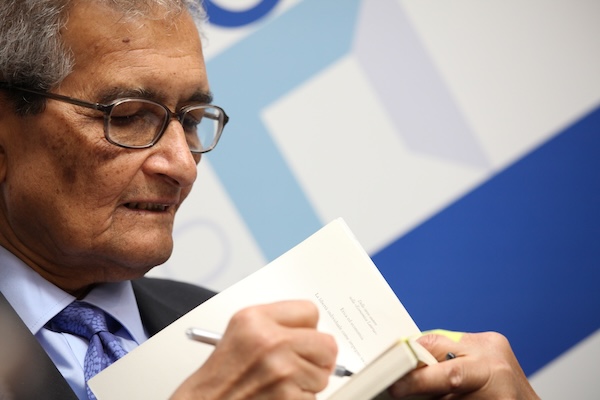
Indian-origin economists transformed American thinking on trade, poverty, and development. Columbia University’s Jagdish Bhagwati became the leading academic advocate of free trade. Harvard’s Amartya Sen received the 1998 Nobel Prize for developing the capabilities approach, reshaping how wellbeing is measured beyond economic output. In 2019, MIT’s Abhijit Banerjee won the Nobel Prize for pioneering randomized […]
Soil as a Climate Solution: Rattan Lal’s Decades of Research

Rattan Lal’s research demonstrated that healthy soils could simultaneously increase agricultural productivity, restore degraded land, and remove carbon from the atmosphere through large-scale sequestration. Conducted over decades at Ohio State University, his work transformed soil health from an agricultural concern into a central pillar of climate policy. Recognized with the World Food Prize, Lal’s research […]
Bhardwaj’s Dendritic Cell Research Founds Cancer Immunotherapy
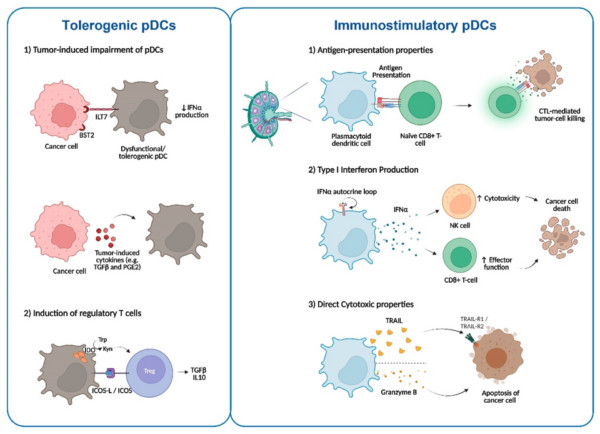
Immunologist Dr. Nina Bhardwaj pioneered research on how human dendritic cells activate the immune system to recognize and fight cancer. Her discoveries transformed scientific understanding of tumor immunity and helped lay the foundation for dendritic cell-based immunotherapies, including the development of therapeutic cancer vaccines. By translating basic immunology into clinical applications, her work accelerated one […]
Gopalan’s Breast Cancer Research at NIH
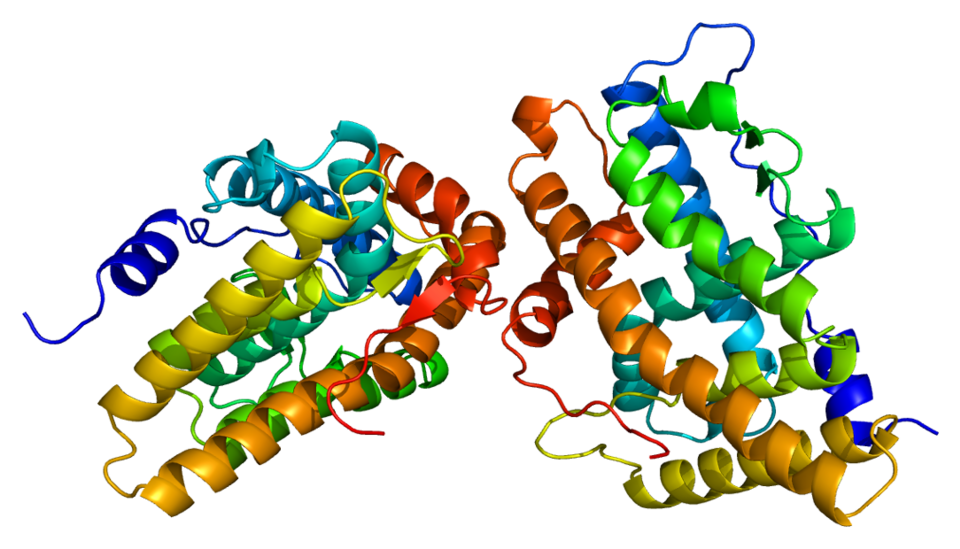
At the National Institutes of Health, Dr. Shyamala Gopalan advanced understanding of hormone-responsive breast cancer through pioneering research on progesterone receptors and heat shock proteins. She also developed laboratory methods for analyzing breast tissue that were adopted in clinical practice. Her discoveries helped explain how certain breast cancers grow and respond to hormones, improving diagnostic […]
Fareed Zakaria Rises from Foreign Affairs to CNN’s Premier Global Affairs Program

American audiences gained a deeper understanding of international affairs through the work of Fareed Zakaria. Appointed managing editor of Foreign Affairs at just twenty-eight, he emerged as one of the country’s leading interpreters of global politics before launching Fareed Zakaria GPS on CNN in 2008. The Peabody Award-winning program brought long-form geopolitical analysis to mainstream […]
Indian Culture Enters America’s Largest Civic and Public Stages

Indian cultural traditions moved from community gatherings to some of America’s largest public and institutional stages. Garba celebrations grew into arena-scale events attracting tens of thousands of participants across major cities, while Bhangra evolved into a competitive collegiate circuit that reshaped campus culture nationwide. Penn Masala, the nation’s first South Asian a cappella group, helped […]
Indian American Engineers Become the Backbone of American Patent Innovation

Across the late twentieth century, Indian-origin engineers became deeply embedded in the patent-producing core of American technology. At firms including IBM, Intel, Bell Labs, and Qualcomm, sustained clusters of Indian American inventors contributed to enterprise computing, semiconductor design, and telecommunications infrastructure. Their work accumulated across thousands of patents in distributed systems, chip architecture, wireless protocols, […]
Balamurali Ambati Becomes the World’s Youngest Doctor

Balamurali Ambati graduated from the Mount Sinai School of Medicine at age 17, becoming the world’s youngest physician as recognized by Guinness World Records. His extraordinary achievement challenged conventional assumptions about age, academic readiness, and professional training in American medicine. By reaching one of the nation’s most demanding professions at an unprecedented age, Ambati demonstrated […]
Srinija Srinivasan Shapes Information Architecture as Yahoo’s First Editor-in-Chief

The early internet became easier for millions of Americans to navigate through the work of Srinija Srinivasan, Yahoo’s first editor-in-chief. As one of the company’s earliest employees, she helped organize the web before search engines became dominant, developing editorial systems that guided users to news, information, and online resources. Her work shaped how a generation […]
The Architect of Modern Search

In 1998, Rajeev Motwani co-authored the first paper describing the PageRank algorithm with Larry Page, Sergey Brin, and Terry Winograd. This research detailed the initial prototype of the Google search engine. The PageRank algorithm—which measures the importance of web pages by analyzing hyperlink structures—subsequently became the fundamental basis for all of Google’s web-search tools. Motwani’s […]