Indian American Directors Reshape American Visual Storytelling

Indian American directors expanded the boundaries of American visual storytelling across film, television, and popular culture. Beginning in 1961, Ismail Merchant co-founded Merchant Ivory Productions, building one of the most influential independent film companies in American cinema and elevating the literary period drama into a major prestige genre. Decades later, Mira Nair’s Mississippi Masala brought […]
Breaking Into Classic American Cinema
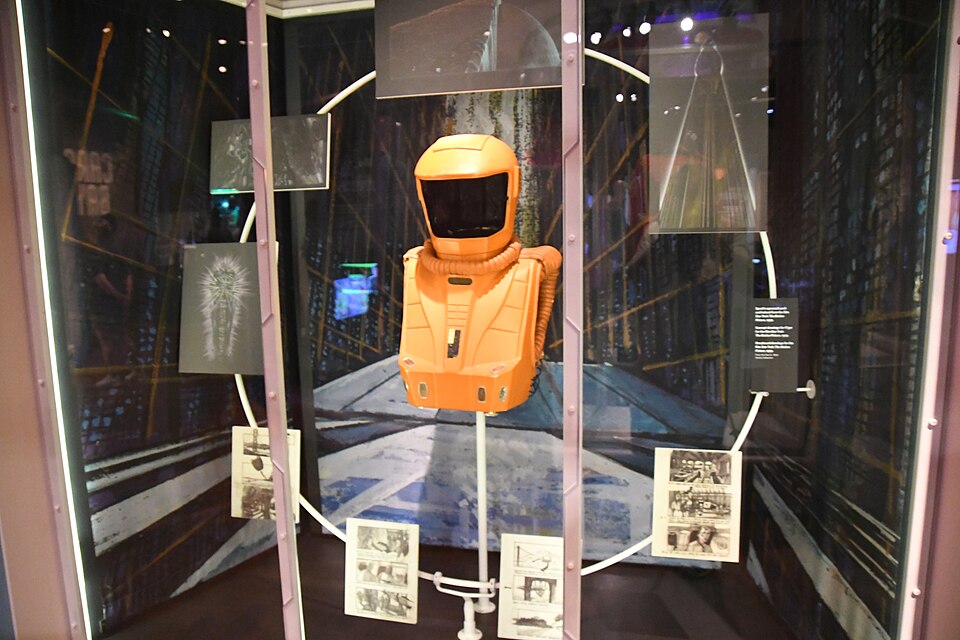
South Asian actors gained an early foothold in American cinema through a series of breakthrough performances across the twentieth century. Merle Oberon earned an Academy Award nomination for The Dark Angel in 1935, Sabu Dastagir became one of Hollywood’s most recognizable young stars, and Persis Khambatta had a prominent starring role in Star Trek: The […]
The Emergence of Indian American Voices in Contemporary Art
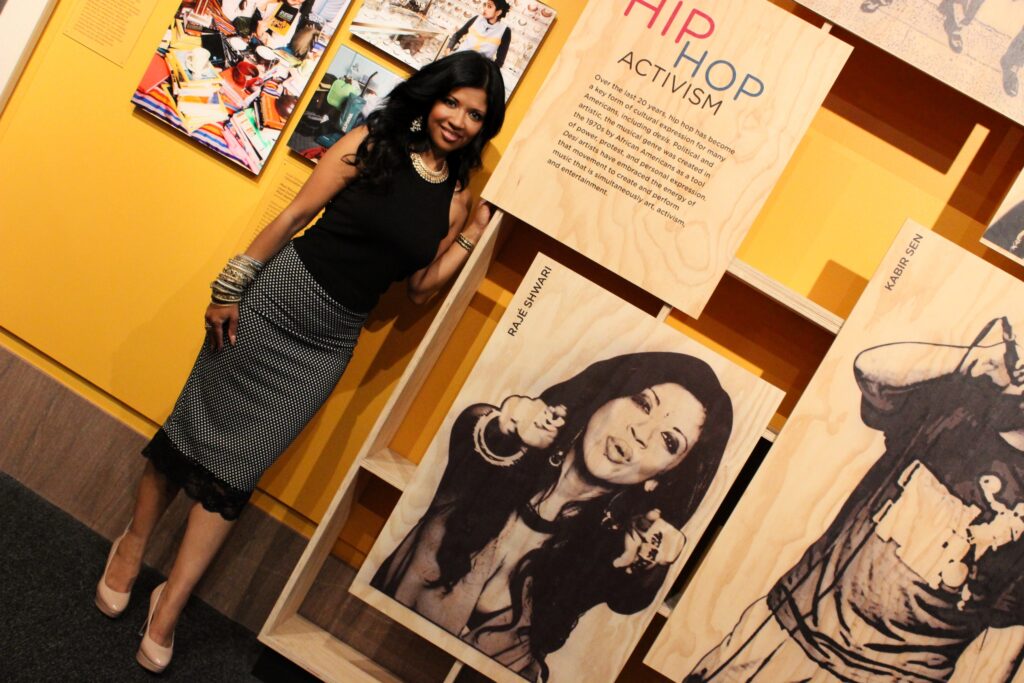
Founded by Jaishri Abichandani in 1997, SAWCC nurtured artists including Chitra Ganesh and, under later leaders such as Prerana Reddy, broadened its impact on contemporary art and cultural discourse. This grassroots momentum reached national institutional recognition with the Smithsonian’s Beyond Bollywood: Indian Americans Shape the Nation exhibition (2014), co-curated by Masum Momaya and Pawan Dhingra, […]
Agha Shahid Ali Introduces the Ghazal to American Poetry

During the 1990s, Agha Shahid Ali introduced the classical Persian and Urdu ghazal into mainstream American poetry. Through his own acclaimed collections and a landmark anthology, he demonstrated that the form’s strict structure, recurring refrains, and emotional depth could thrive in English. He also championed the ghazal in universities, workshops, and literary circles, encouraging American […]
Transforming the Visual Arts and the American Public Square
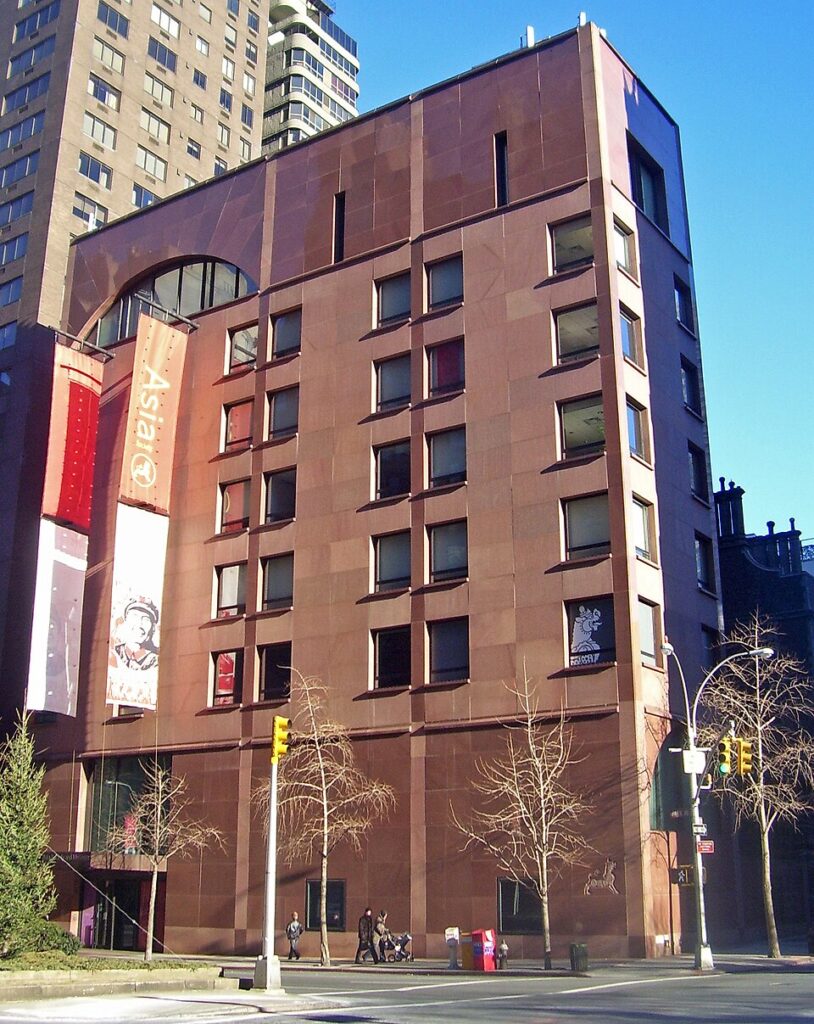
Natvar Bhavsar’s Guggenheim Fellowship (1970) placed Indian-origin abstract art inside the New York Color Field movement. Vishakha Desai’s appointment as Director of the Asia Society Museum (1990) shifted a major institution’s focus toward South Asian and Indian American artists, a curatorial shift extended through the Met Breuer’s inaugural Nasreen Mohamedi show (2016) and Tara Sabharwal’s […]
The Diaspora Expands the Scope of the American Literary Canon
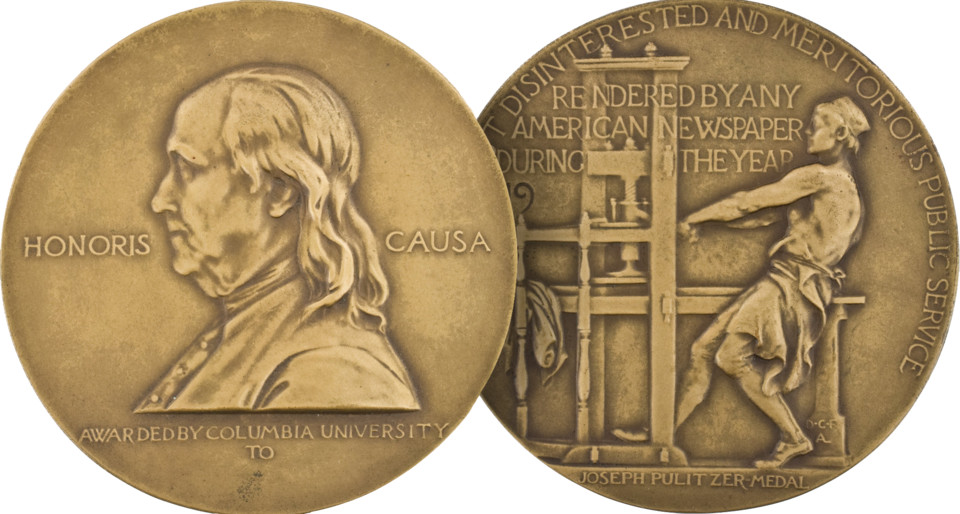
Over the course of a century, Indian American writers expanded the boundaries of American literature and redefined whose stories belonged within it. Dhan Gopal Mukerji’s 1928 Newbery Medal introduced themes rarely seen in American publishing. Bharati Mukherjee’s National Book Critics Circle Award asserted the immigrant experience as central to American identity, while Jhumpa Lahiri’s Pulitzer […]
Raj Reddy Wins the Turing Award for Pioneering Artificial Intelligence

In 1994, Dabbala Rajagopal “Raj” Reddy received the Turing Award, computing’s highest honor, often called the Nobel Prize of the field, for pioneering contributions to artificial intelligence, including foundational work in speech recognition and large-scale AI systems. Working at Carnegie Mellon University, he helped establish AI as a rigorous engineering discipline and founded CMU’s Robotics […]
Sangeeta Bhatia Pioneers Micro-Patterned Human Liver Tissue
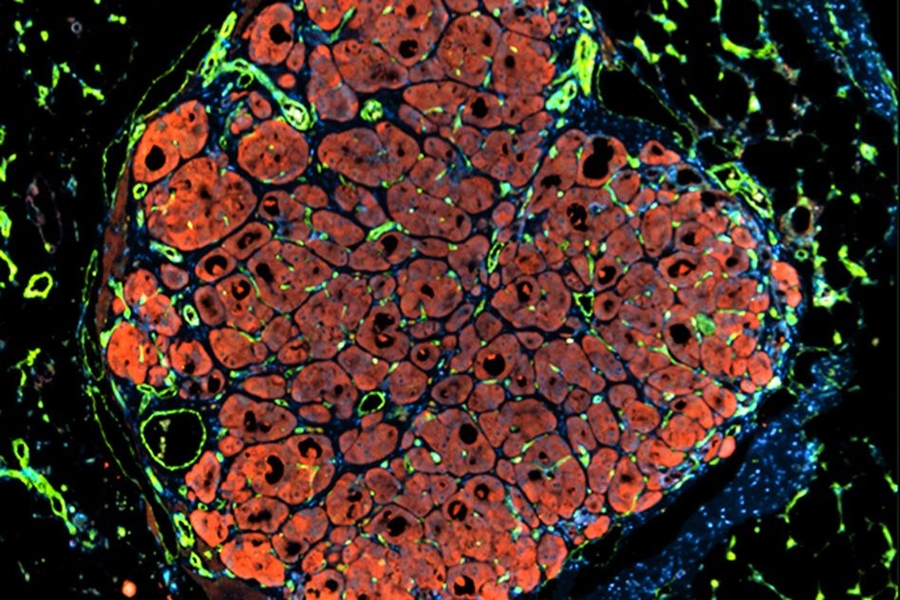
Many advances in modern drug development and tissue engineering trace back to a breakthrough achieved by Sangeeta Bhatia. In 1998, she co-developed a method for keeping human liver cells alive and functional outside the body by precisely organizing them using semiconductor manufacturing techniques. The innovation enabled scientists to study organ function more accurately, test drug […]
Gadgil Invents UV Waterworks for Global Safe Water Access
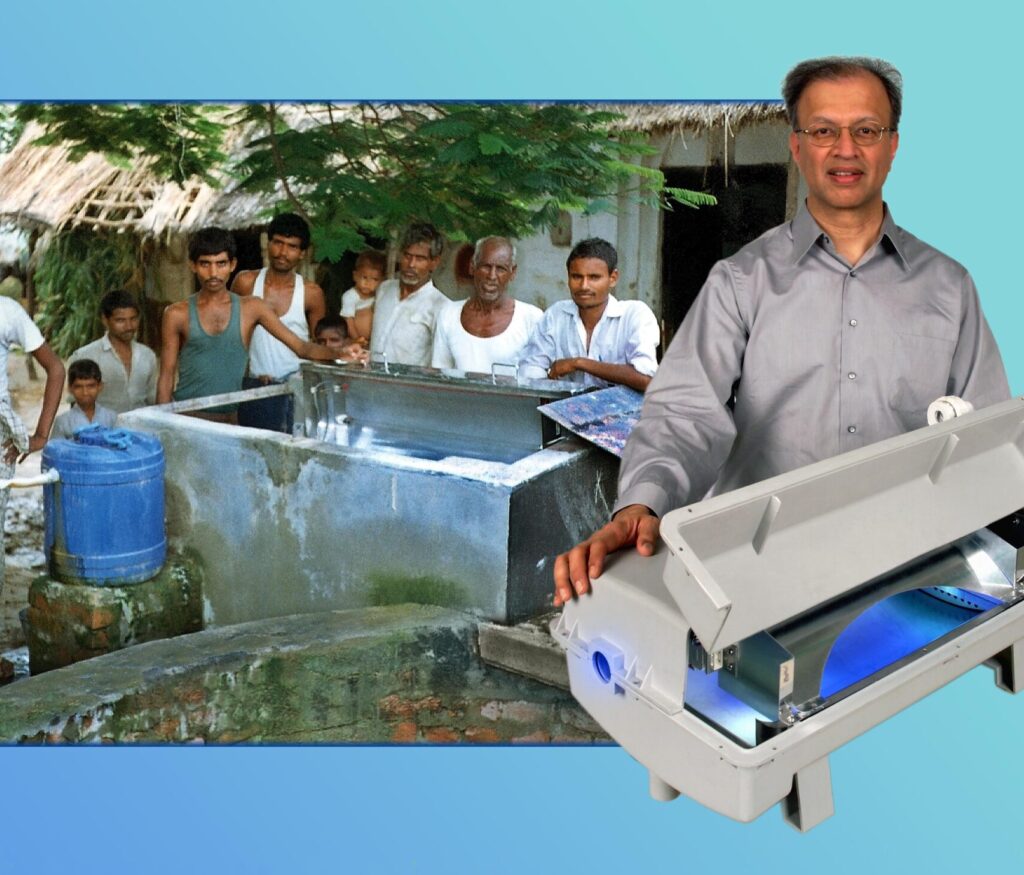
Millions of people around the world have gained access to safer drinking water because of a technology developed by Ashok Gadgil. In 1996, he created UV Waterworks, a low-cost ultraviolet purification system capable of disinfecting large volumes of water. The invention made safe water more accessible in resource-constrained communities and disaster zones, demonstrating how engineering […]
Indian Americans Help Build the Foundation of the Computing Era
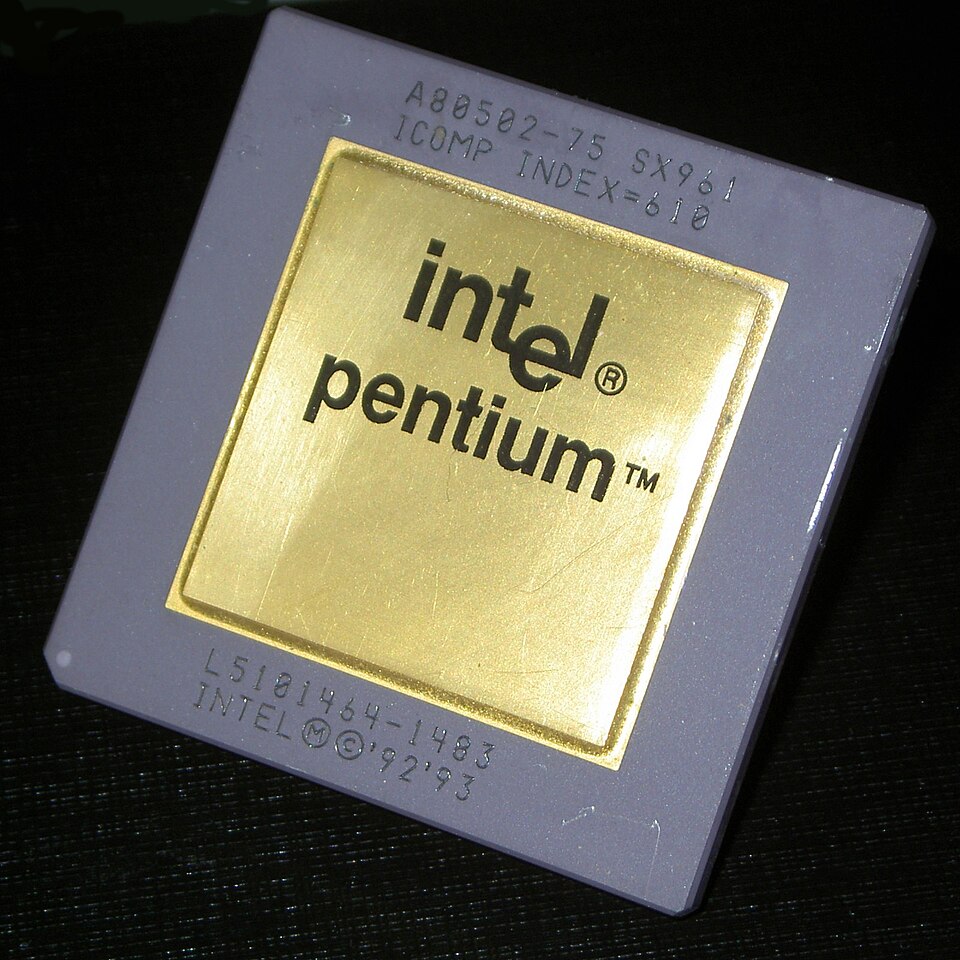
The modern digital economy runs on hardware, standards, and mathematical foundations shaped in part by Indian American innovators. Vinod Dham led development of Intel’s Pentium microprocessor, powering a generation of personal computers. Ajay Bhatt co-invented USB, creating a universal standard that connected billions of devices. Thomas Kailath’s work in information theory and signal processing advanced […]