
Maya Kaimal Helps Americans Cook Indian Food at Home
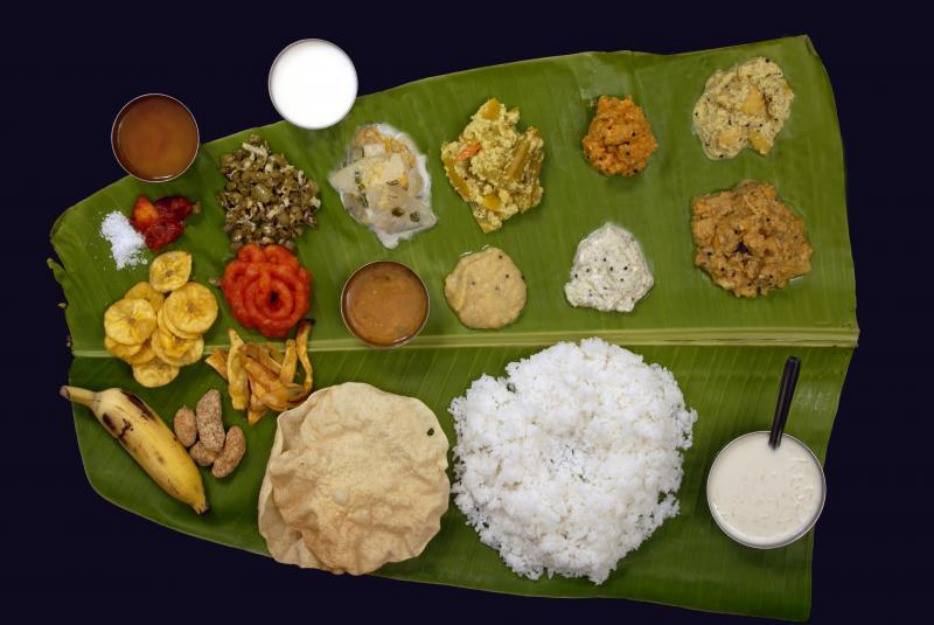
When Maya Kaimal launched her line of fresh Indian simmer sauces in 2003, she brought regional Indian flavors into mainstream American grocery stores in a new way. By positioning her products in the premium refrigerated section alongside established international brands, she introduced Indian cuisine to consumers who may never have visited an Indian restaurant or […]
Indian-American Food Writers Bring the Diaspora Kitchen to the Mainstream

Indian-American food writers helped bring diaspora cooking into the mainstream by expanding how Americans understood Indian food and identity. In 2001, Raghavan Iyer’s Indian Home Cooking introduced Indian recipes through the familiar platform of Betty Crocker, making the cuisine approachable for a broad audience. Nearly two decades later, Priya Krishna’s Indian-ish celebrated the hybrid cooking […]
The Synthesis of Faith and Activism
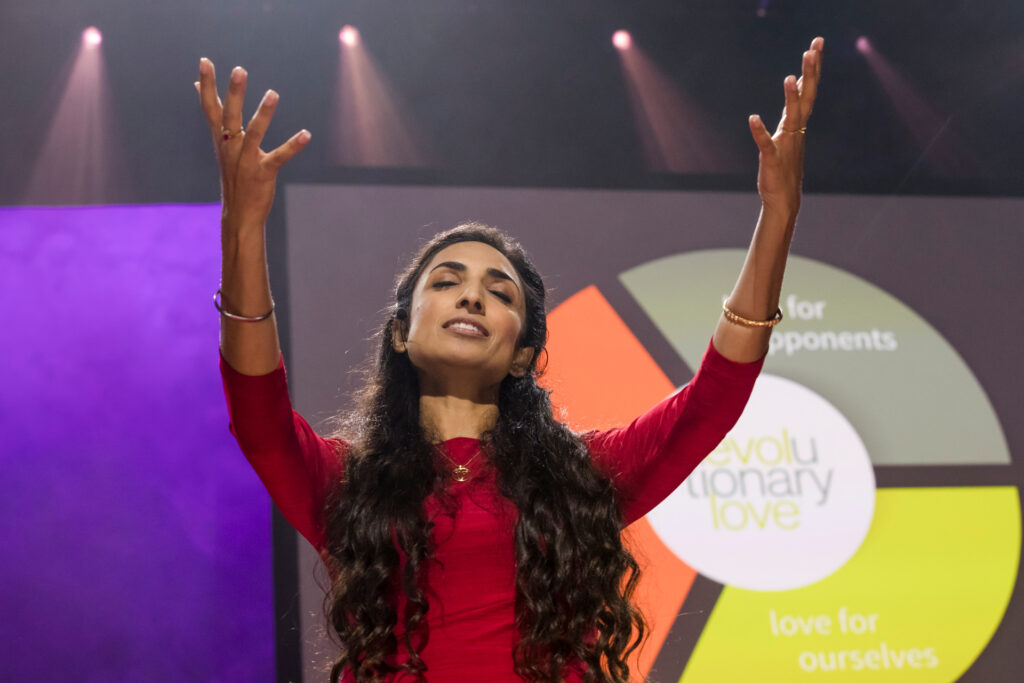
After years documenting hate violence as a civil rights lawyer, filmmaker, and activist, Valarie Kaur came to believe that bearing witness to suffering had to be paired with a sustained spiritual practice for confronting injustice. Around 2018, she launched the Revolutionary Love Project, giving organizational form to ideas she had been developing through her advocacy, […]
Faith Finds Its Place in American Civic Life

Indian Americans increasingly brought their faith traditions into the nation’s highest civic institutions. In 2007, Rajan Zed became the first Hindu to deliver the opening prayer in the U.S. Senate. Raja Krishnamoorthi and Pramila Jayapal were among the first members of Congress to take their oaths of office on the Bhagavad Gita. These public expressions […]
Indian Muslims Build Bridges Across Race and Religion in America

Mufti Muhammad Sadiq broadened the reach of Islam in America by founding The Moslem Sunrise in Chicago in 1921 and preaching to racially diverse audiences, welcoming hundreds of African Americans into the Ahmadiyya Muslim community. Eight decades later, Eboo Patel extended that legacy by founding Interfaith America, creating a national framework for interfaith cooperation on […]
A New Era for American Energy: The Launch of ARPA-E
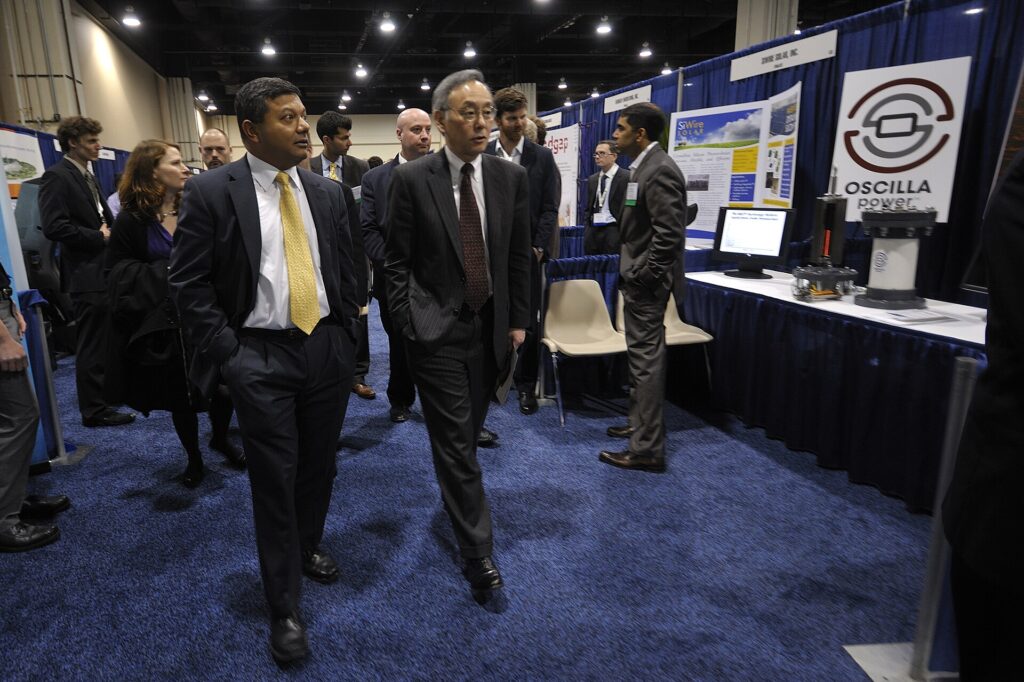
In October 2009, the United States fundamentally revolutionized its approach to the climate crisis when brilliant engineer Dr. Arun Majumdar became the founding Director of ARPA-E. Tasked by President Obama to build a new federal agency from scratch, Majumdar established a hyper-agile engine for high-risk, high-reward clean energy breakthroughs. By bridging the notorious gap between […]
Ani Dasgupta Appointed President of the World Resources Institute
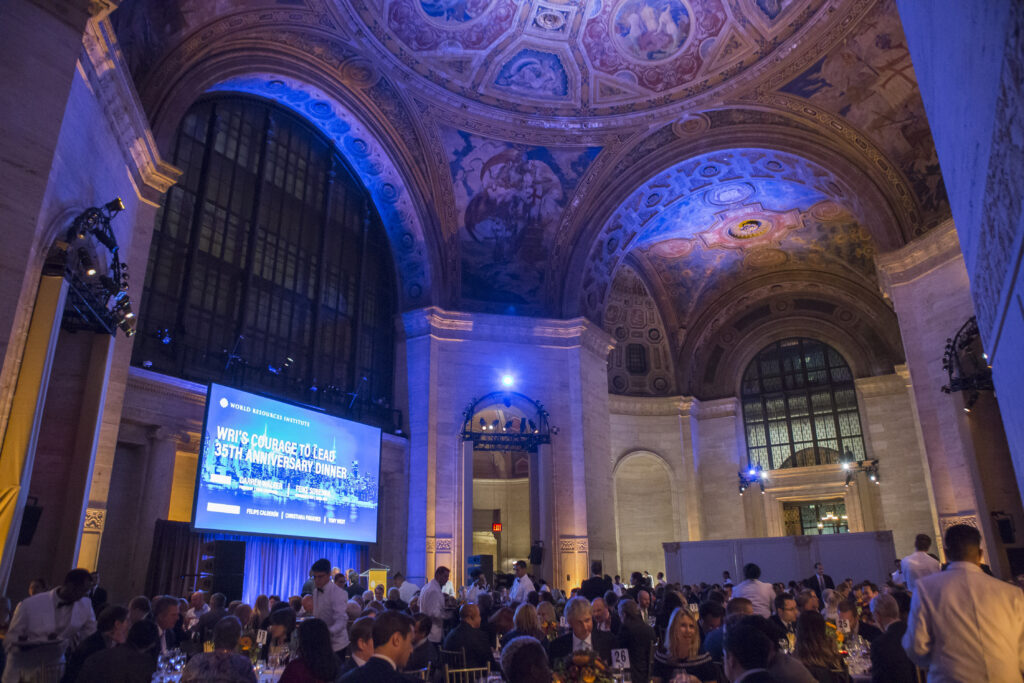
Ani Dasgupta became President and CEO of the World Resources Institute in 2021, placing an Indian American at the helm of one of the world’s leading environmental research and policy organizations. Under his leadership, WRI continued to shape US climate legislation, international climate negotiations, and sustainability policy through research and partnerships spanning more than 60 […]
Varshini Prakash and the Green New Deal Breakthrough
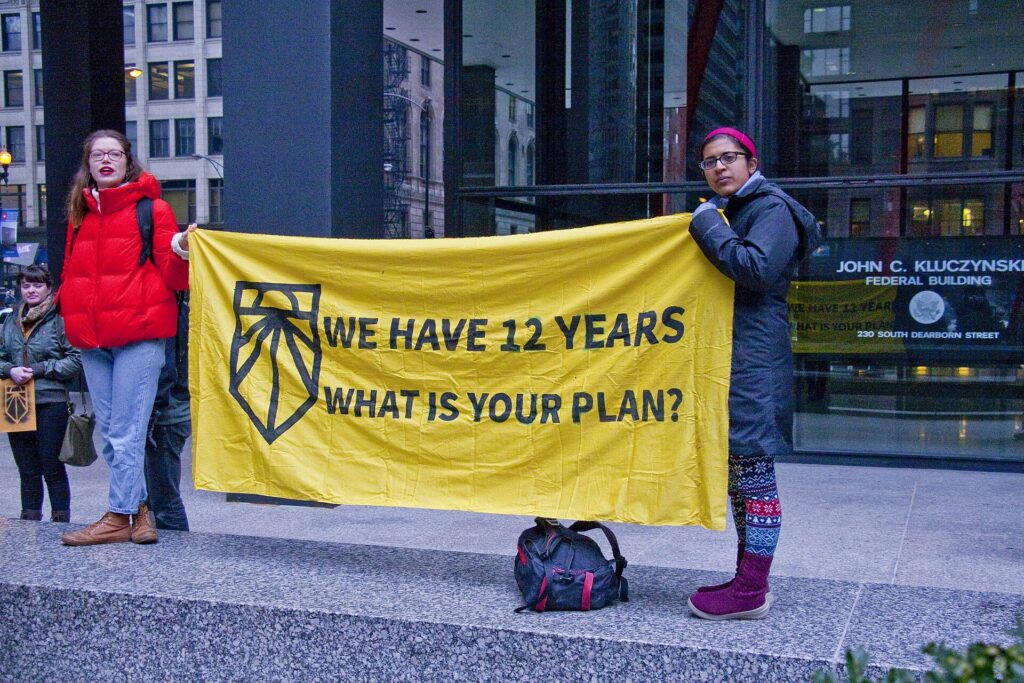
Varshini Prakash co-founded the Sunrise Movement in 2017, transforming American climate activism through youth-led grassroots organizing. The movement’s 2018 sit-in at Speaker Nancy Pelosi’s office propelled the Green New Deal into the center of national political debate, fundamentally reshaping how policymakers discussed climate urgency and environmental justice. Sunrise helped redefine climate advocacy for a new […]
The Community Science Revolution

Independent scientific research transformed environmental justice in America. Siddhartha Roy’s water testing during the Flint water crisis demonstrated dangerous lead contamination, prompting federal intervention and exposing the disproportionate environmental burdens faced by low-income communities. Raj Pandya expanded that model nationally through the American Geophysical Union’s Thriving Earth Exchange, connecting scientists with communities confronting environmental challenges. […]
Indian Americans and the Climate-Health Nexus
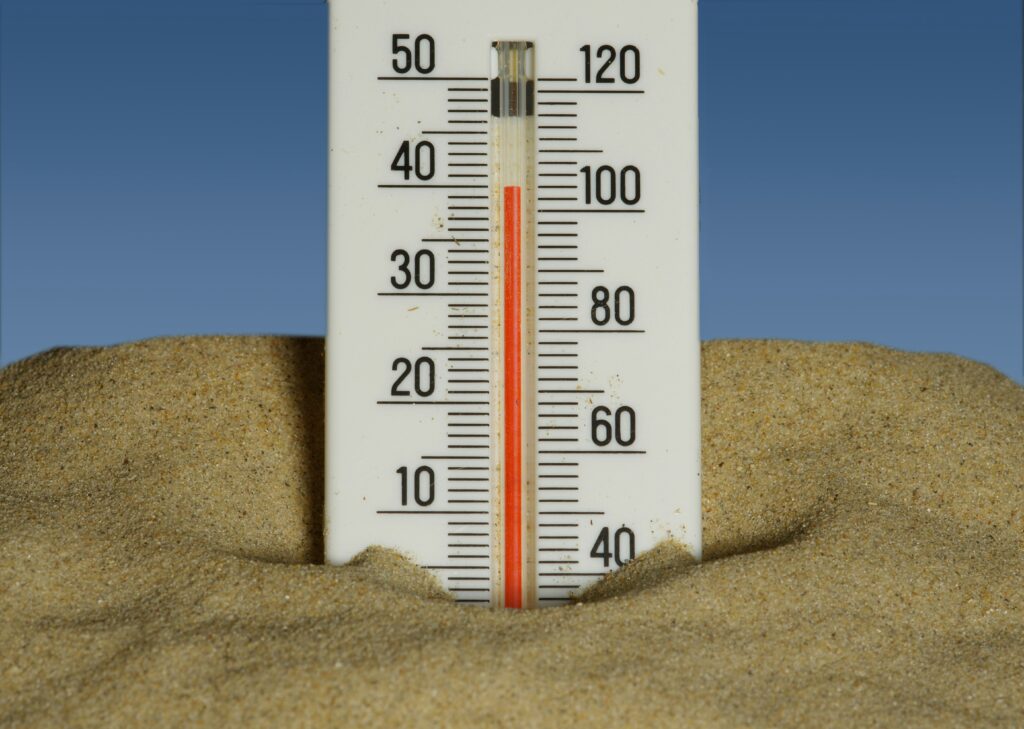
Indian American researchers and physicians helped establish climate change as a public health challenge. Gaurab Basu reframed climate change through the lens of health equity, Seema Wadhwa led one of the nation’s most ambitious healthcare decarbonization initiatives at Kaiser Permanente, and Ramanan Laxminarayan advanced the One Health framework linking environmental degradation, antimicrobial resistance, and infectious […]