Rangaswamy Srinivasan
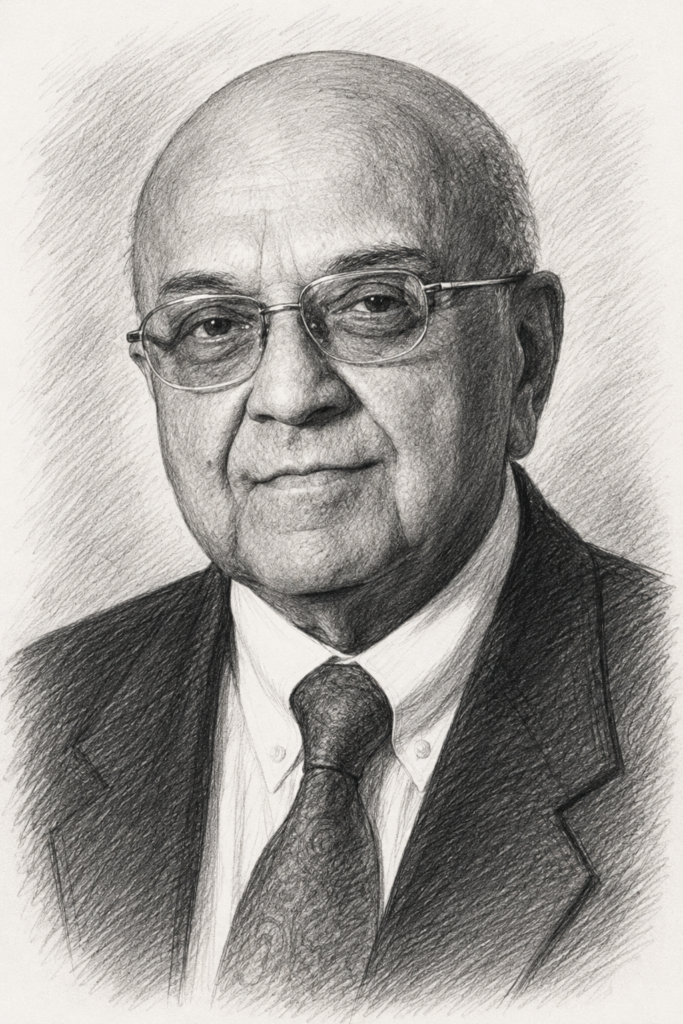
Rangaswamy Srinivasan is a physicist and research scientist whose Thanksgiving experiment changed medicine. Working at IBM’s Thomas J. Watson Research Center in Yorktown Heights, New York, he discovered in 1981 that ultraviolet excimer lasers could remove biological tissue with extraordinary precision and no heat damage, the foundational insight behind LASIK eye surgery. His discovery, made […]
Sesh Iyer
Sesh Iyer is the EVP of Ops, Technology and Digital Transformation at the Chubb Insurance Group. Before Chubb, he was the North America Chair at BCG X, the Boston Consulting Group’s design and build business. Sesh was an author of the early versions of the Capability Maturity Model Integrated (CMMI) that became a benchmark for software […]
Arun Kumar
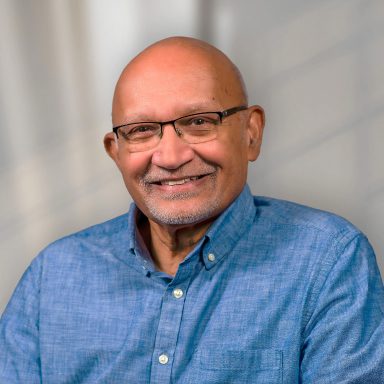
Arun Kumar is a Managing Partner at Celesta Capital, a venture capital firm focused on deep technology with offices in San Francisco and Bangalore. Previously, he served as Chairman and CEO of KPMG in India and was a member of their global board. During the Obama Administration, Arun served as Assistant Secretary of Commerce for […]
Ashish Mathur
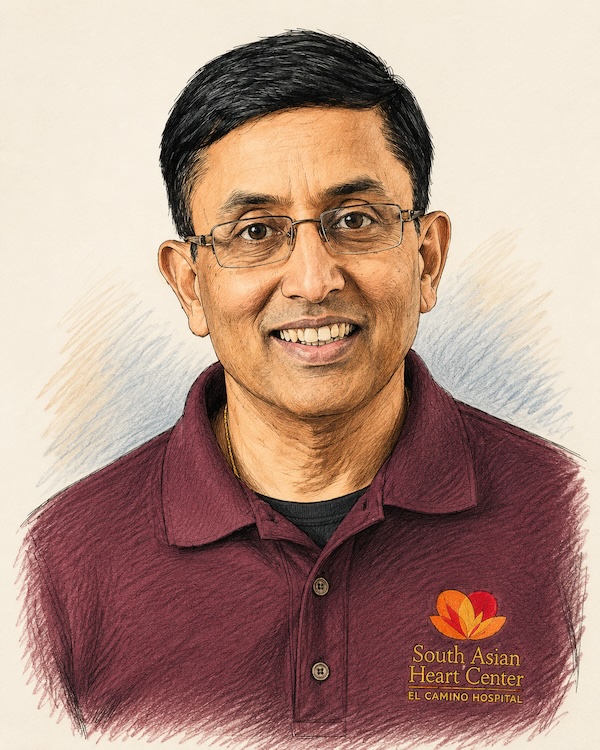
Ashish Mathur is a nonprofit leader and public health advocate dedicated to preventing heart disease in South Asian communities. As Executive Director of the South Asian Heart Center, he has expanded one of the United States’ leading organizations focused on reducing the disproportionately high rates of cardiovascular disease among South Asians. Through community screening, preventive […]
Krishna Bharat
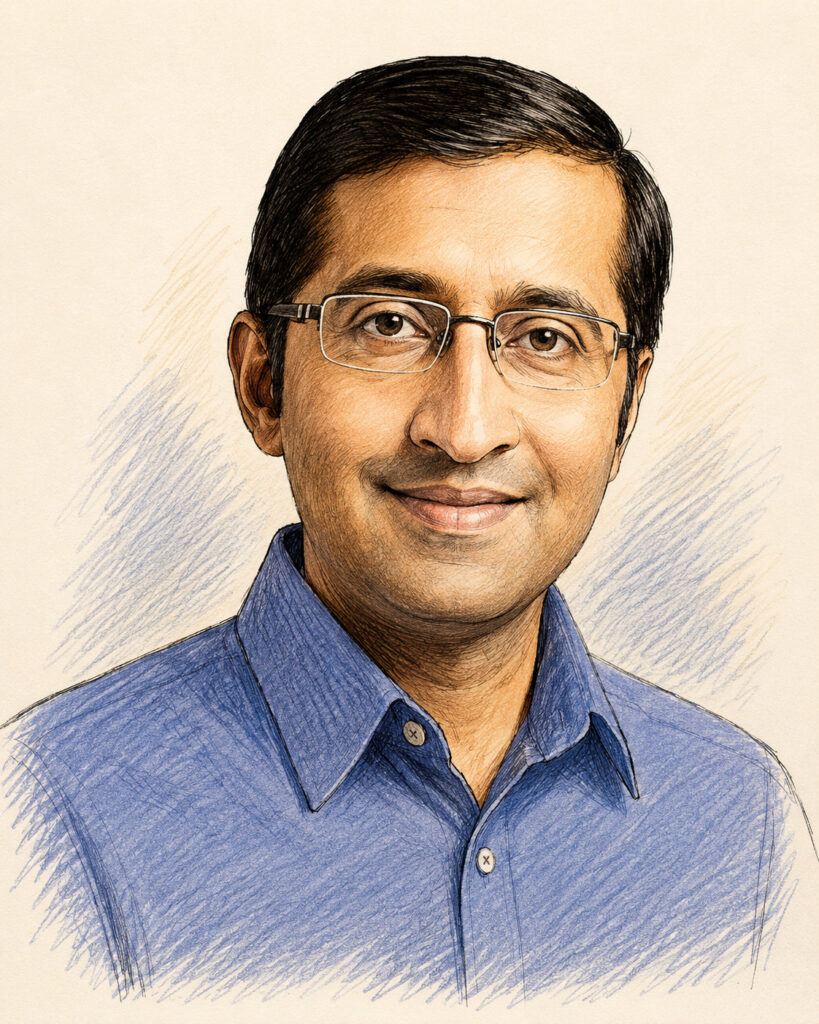
Krishna Bharat is a computer scientist and Distinguished Research Scientist at Google whose invention of Google News transformed how the world accesses journalism. After receiving a PhD from Georgia Tech and joining Google in 1999, he developed the first prototype for an automated news aggregation system in the weeks following the September 11 attacks, frustrated […]
Sujay Tyle
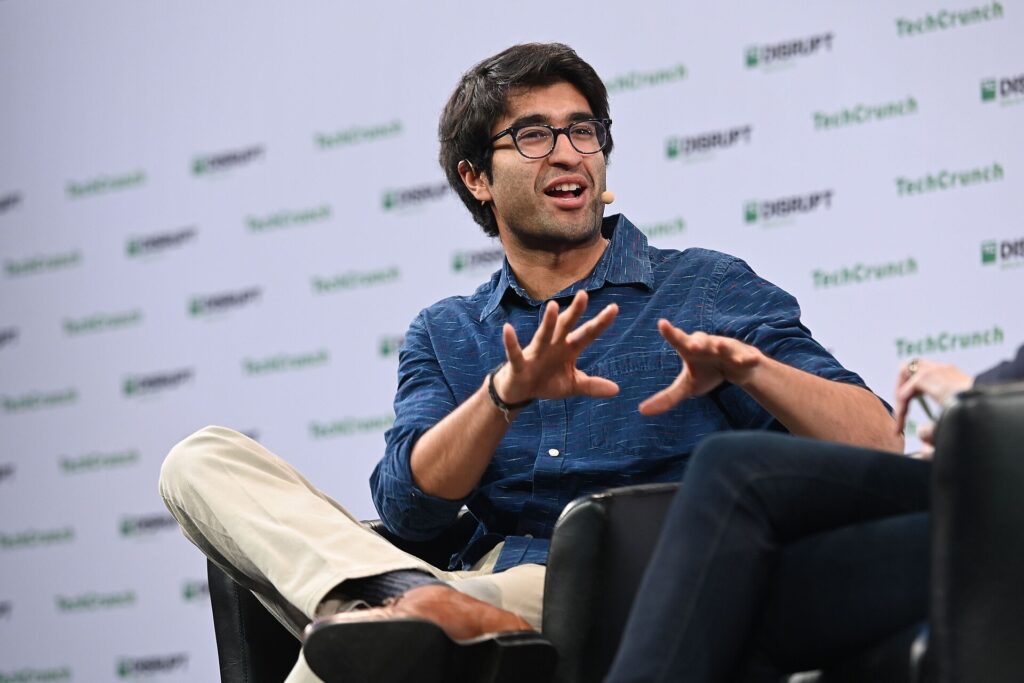
Sujay Tyle is an Indian American entrepreneur and investor. In 2026, he joined the ownership group of the Portland Trail Blazers, contributing to the growing presence of Indian Americans in professional sports ownership. Best known for his work in technology and venture capital, Tyle represents a new generation of diaspora leaders extending their influence beyond […]
Sejal Hathi Tyle
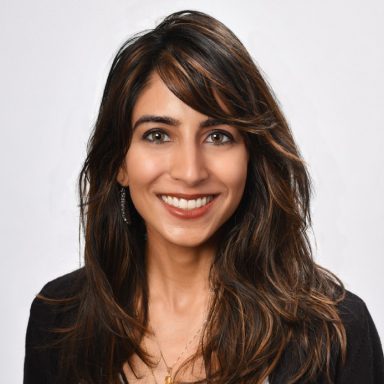
Dr. Sejal Hathi Tyle is an American physician, public health leader, and investor. In 2026, she joined the ownership group of the Portland Trail Blazers, becoming part of a new generation of Indian American investors in major professional sports. Her participation reflects the expanding presence of Indian American leaders from medicine, public service, and entrepreneurship […]
Sheel Tyle
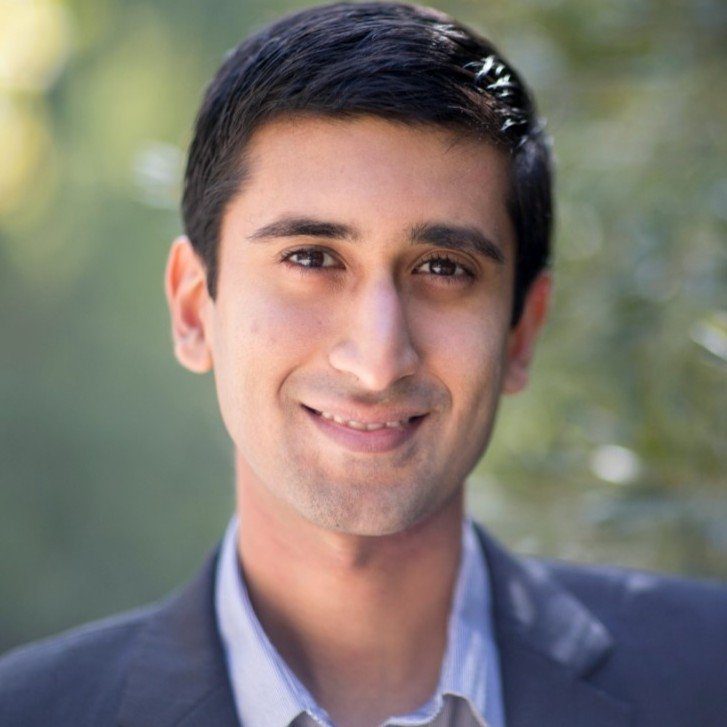
Sheel Tyle is an Indian American investor and entrepreneur. In 2026, he joined the ownership group of the Portland Trail Blazers, expanding Indian American representation in the ownership of a major American professional sports franchise. His investment reflected the diaspora’s growing influence across the business of professional sports and the increasing participation of technology entrepreneurs […]
Anurag Jain
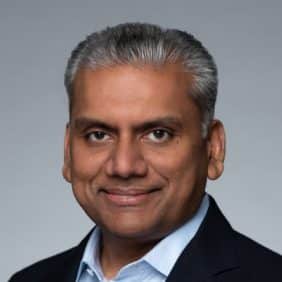
Anurag Jain is an Indian American entrepreneur and investor. He is a principal owner of the Texas Super Kings, one of Major League Cricket’s inaugural franchises. Through his investment, he has helped build the professional infrastructure for cricket in the United States while strengthening commercial ties between American sports and the global cricket ecosystem.
Venky Harinarayan
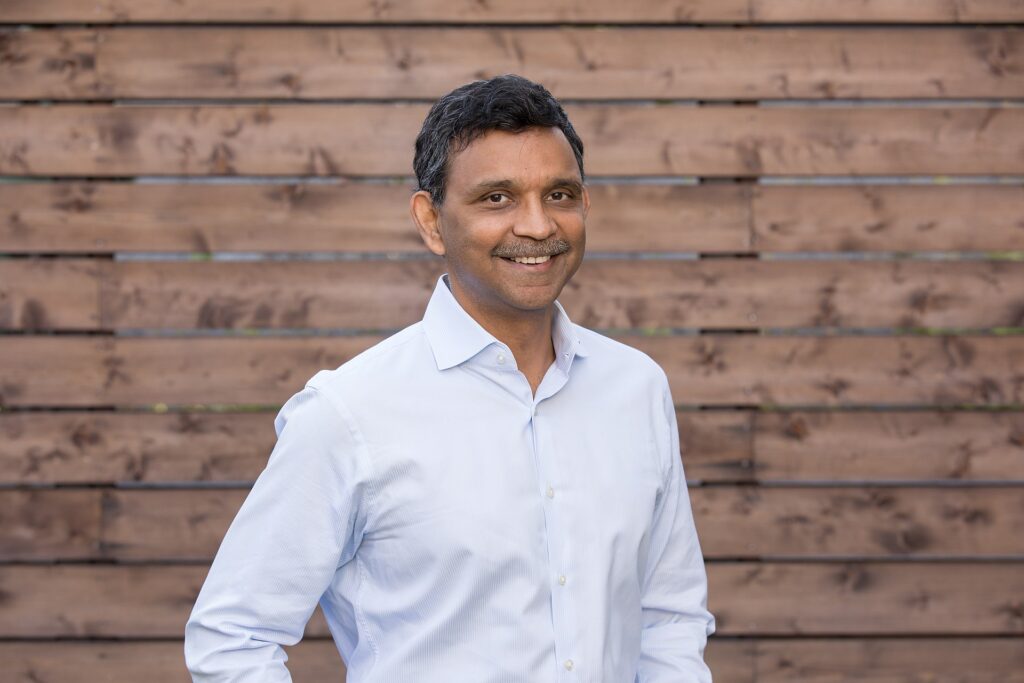
Venky Harinarayan is an Indian American entrepreneur and investor. As a member of the Seattle Orcas ownership group, he helped establish one of Major League Cricket’s founding franchises. His investment contributed to creating the first professional Twenty20 cricket league in the United States and supported the sport’s transition from a community pastime to a commercially […]