

Ranee Ramaswamy
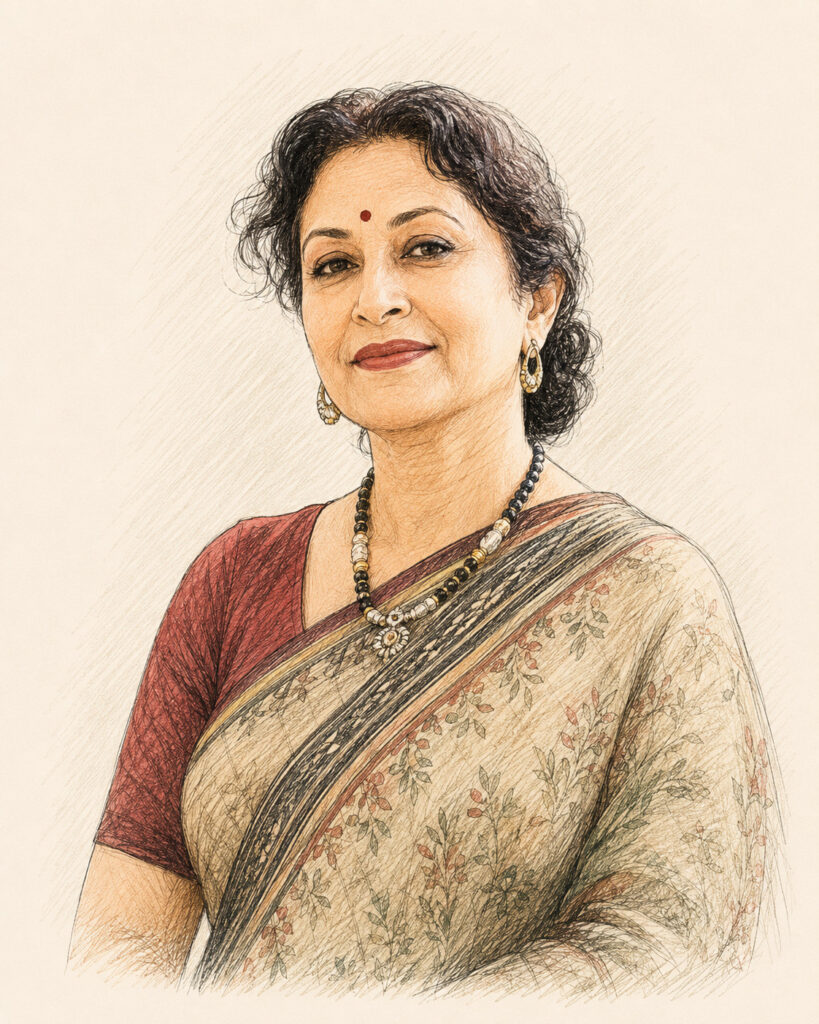
Ranee Ramaswamy founded Ragamala Dance Company and played a central role in establishing Bharatanatyam as a respected presence within the American performing arts landscape. Through innovative choreography and sustained touring, she expanded the reach of classical Indian dance beyond cultural festivals and community venues to major theaters and arts institutions. Her work balanced fidelity to […]
T. Balasaraswati
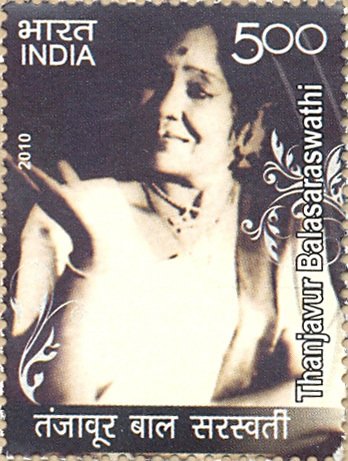
Tanjore Balasaraswati (1918–1984) was a legendary Indian Bharatanatyam dancer who played a pivotal role in preserving and globalizing the traditional dance form. Born into a seventh-generation matrilineal family of devadasis, Balasaraswati was immersed in music from infancy and began her formal, rigorous training in Bharatanatyam at age four under the renowned teacher K. Kandappan Pillai. […]
Bhaskar Roy Chowdhury
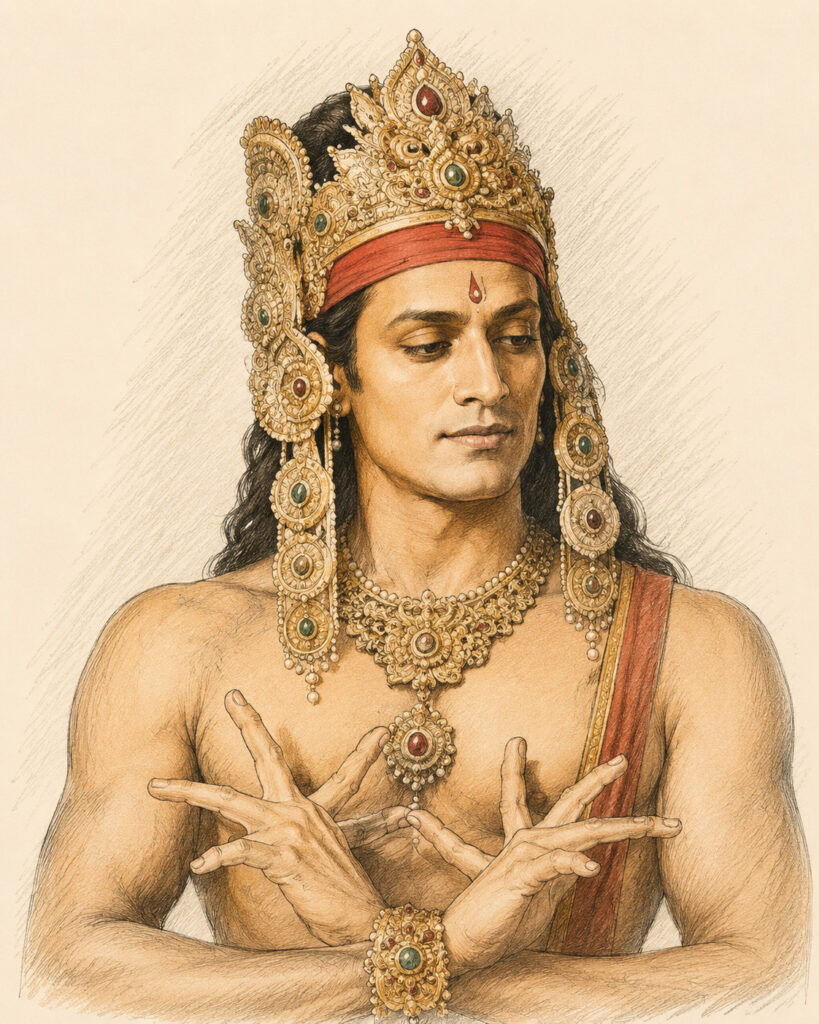
Bhaskar Roy Chowdhury introduced Indian classical dance to American audiences at a time when South Asian performing arts had little institutional presence in the United States. After arriving in New York City in 1955, he established Bhaskar Dances of India and became a prominent figure in the city’s theatrical and artistic circles. Through performances, choreography, […]
Kiran Desai
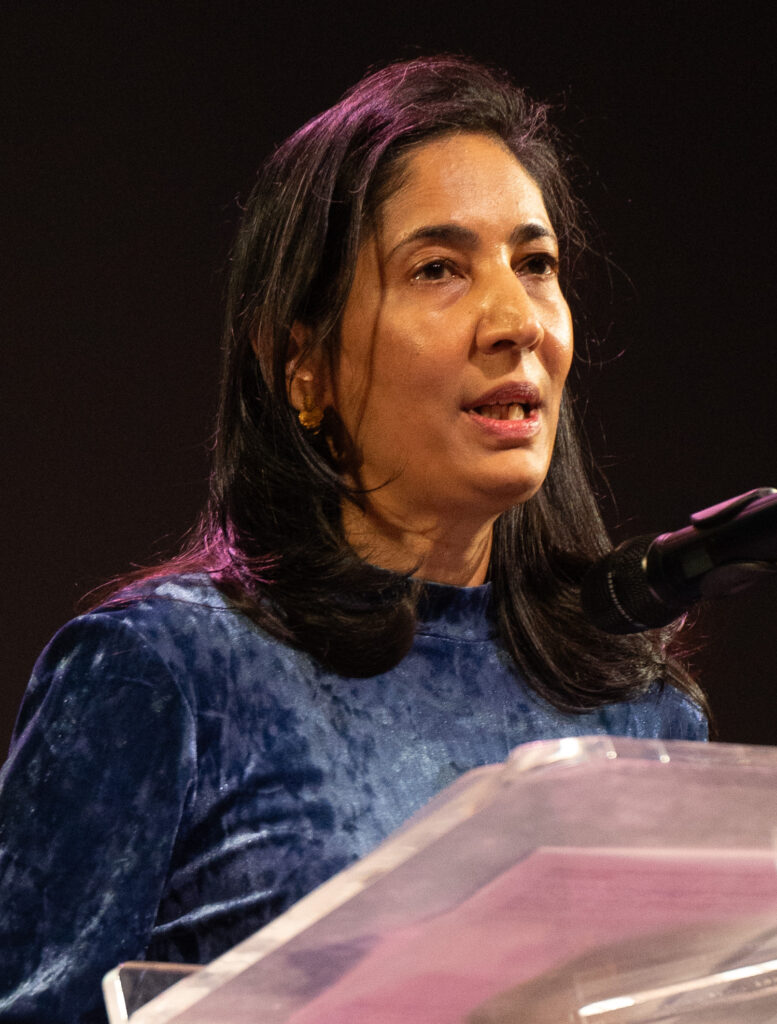
Kiran Desai is a novelist whose work examines globalization, displacement, and the immigrant experience across continents. Raised partly in India before settling in the United States, she studied creative writing at Columbia University, where her perspective as part of the diaspora shaped her literary voice. In 2006, she became the youngest woman ever awarded the […]
Chitra Banerjee Divakaruni
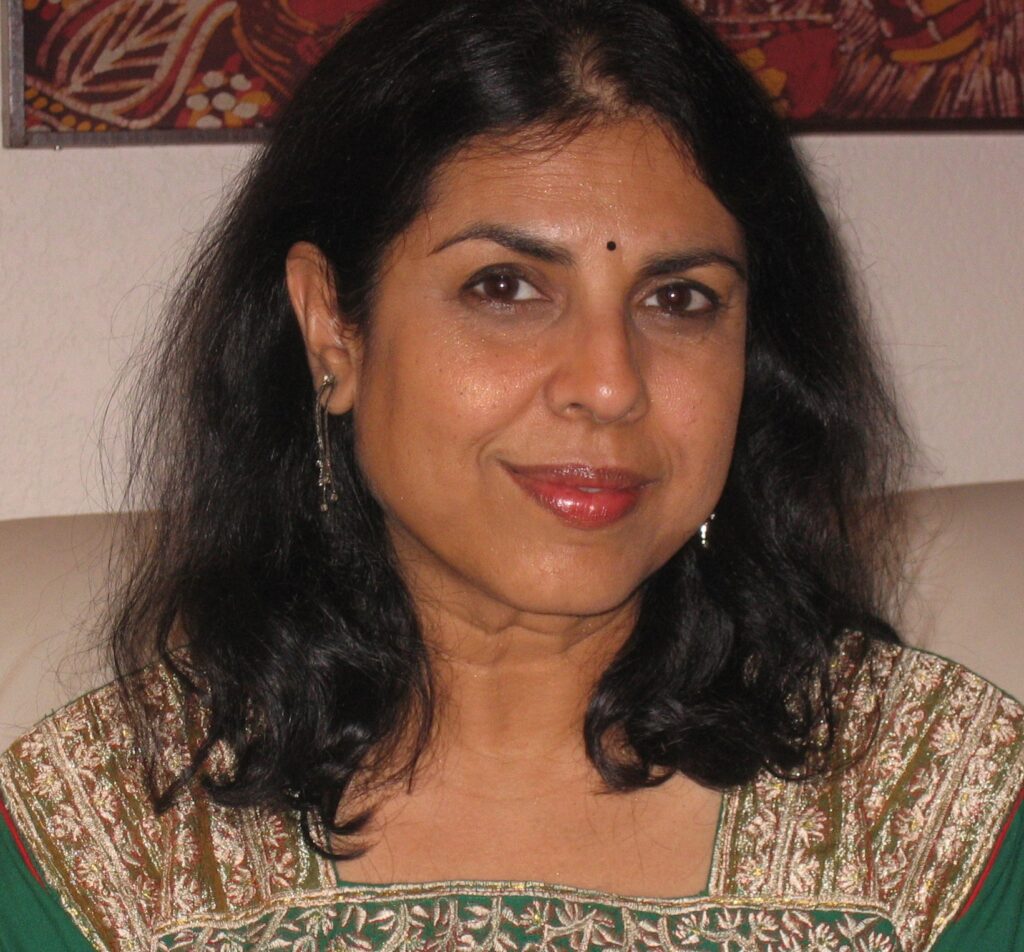
Chitra Banerjee Divakaruni is a novelist and poet whose work has helped bring South Asian American women’s experiences into the mainstream of American fiction. Writing across multiple genres including fiction, poetry, and children’s literature, she has become one of the most widely read Indian American authors of her generation. A two-time American Book Award winner […]
Gaiutra Bahadur
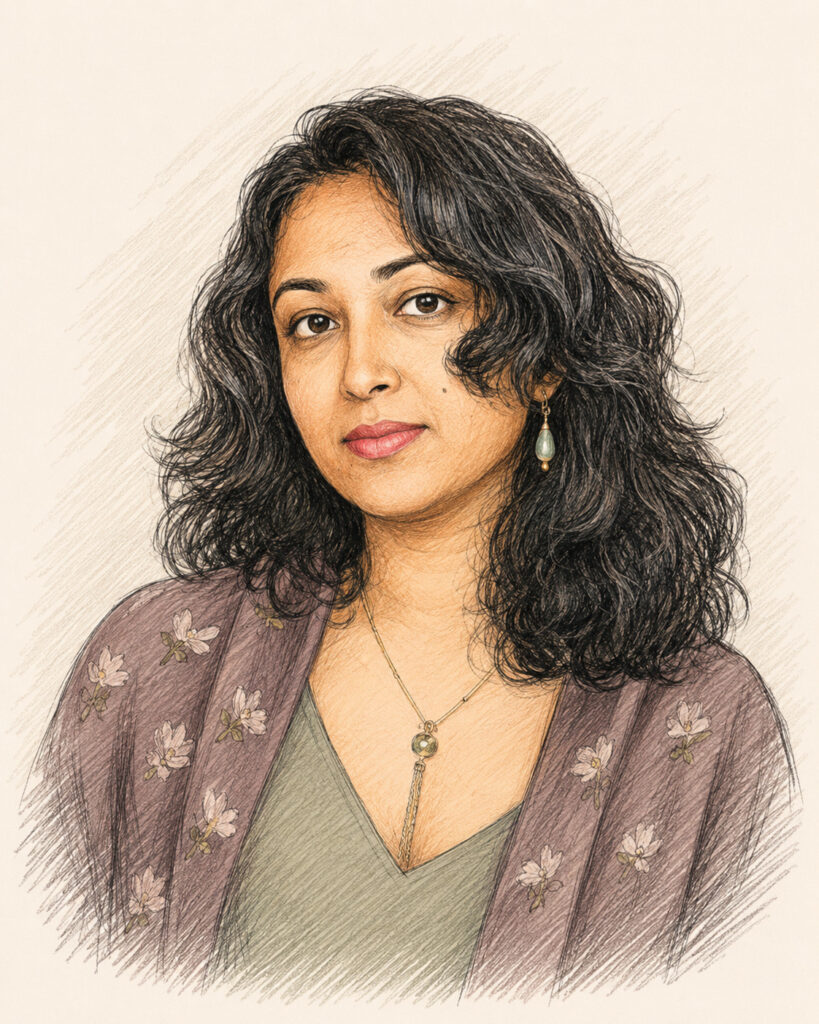
Gaiutra Bahadur brought overlooked histories of migration and displacement into contemporary literary and historical discourse. Through her research and writing, she recovered the experiences of indentured laborers whose stories had often been excluded from dominant narratives of migration. By connecting personal history with broader questions of empire, labor, identity, and belonging, she expanded public understanding […]
Vijay Seshadri
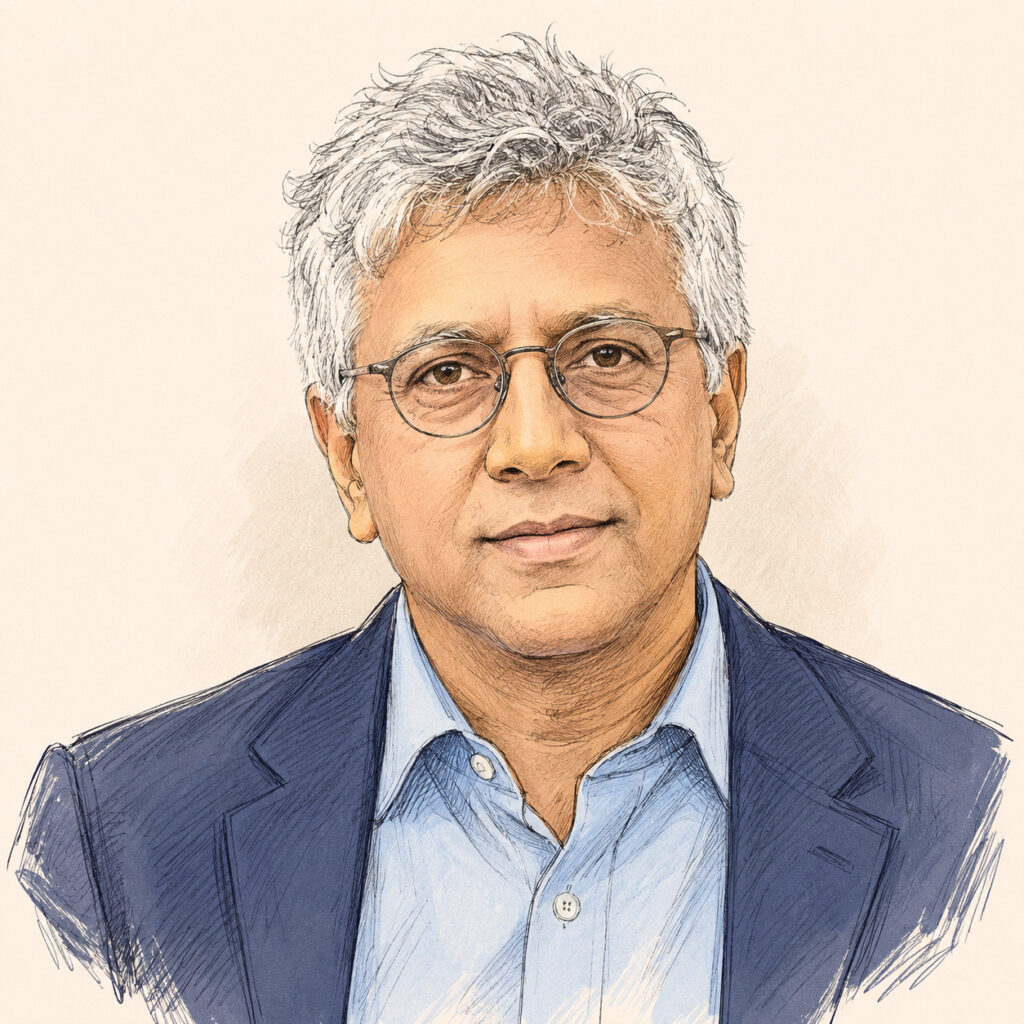
Vijay Seshadri emerged as one of the most distinguished voices in contemporary American poetry, winning the Pulitzer Prize for Poetry in 2014. His work combined intellectual rigor, philosophical inquiry, humor, and personal reflection to explore questions of identity, consciousness, and modern life. As one of the few Indian American poets to receive the nation’s highest […]
Jhumpa Lahiri
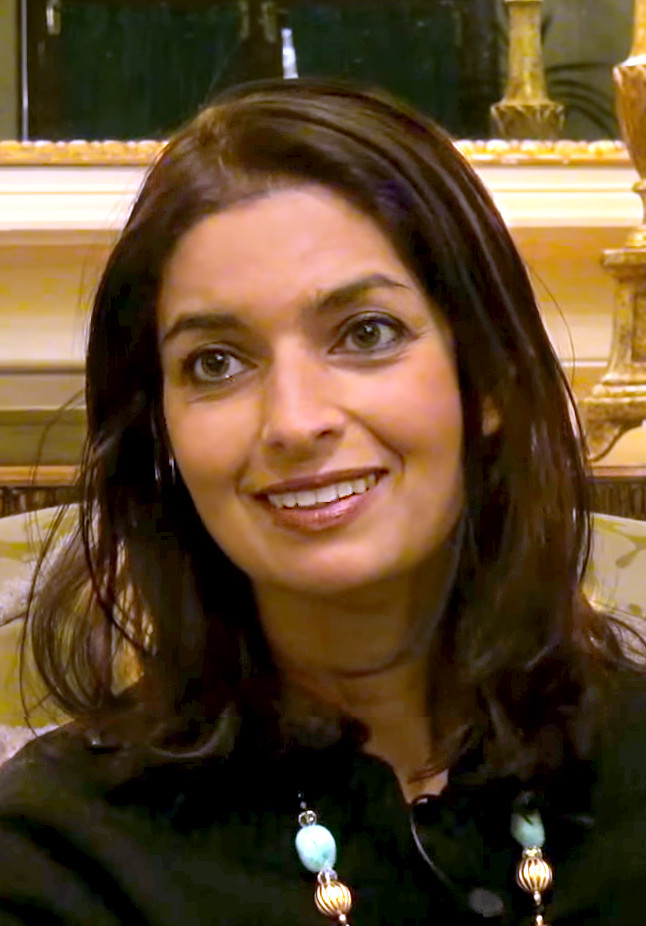
Jhumpa Lahiri brought the experiences of South Asian immigrants and their families into the center of American literary life. Her Pulitzer Prize-winning collection Interpreter of Maladies explored identity, displacement, family, and belonging with emotional precision and universal appeal. Through her fiction, she illuminated the complexities of life between cultures while reaching a broad American readership. […]
Bharati Mukherjee
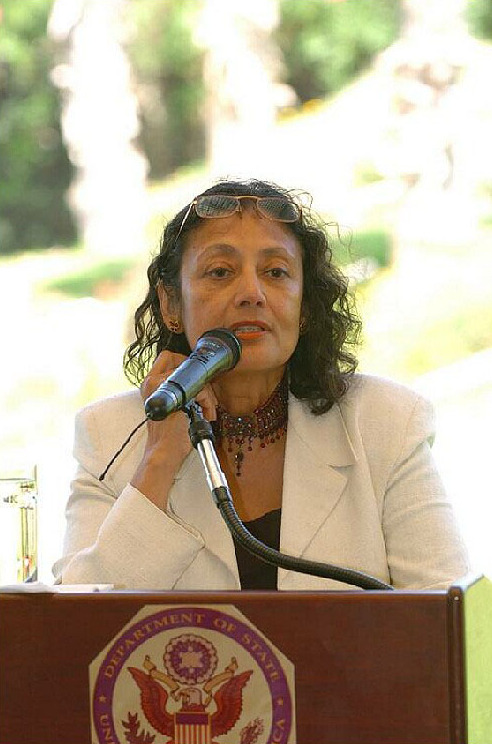
Bharati Mukherjee helped redefine the place of immigrant stories in American literature. Through novels, short fiction, and essays, she argued that immigration was central to the American experience rather than peripheral to it. Her 1988 National Book Critics Circle Award brought national recognition to themes of migration, identity, and reinvention. At a time when immigrant […]
Dhan Gopal Mukerji
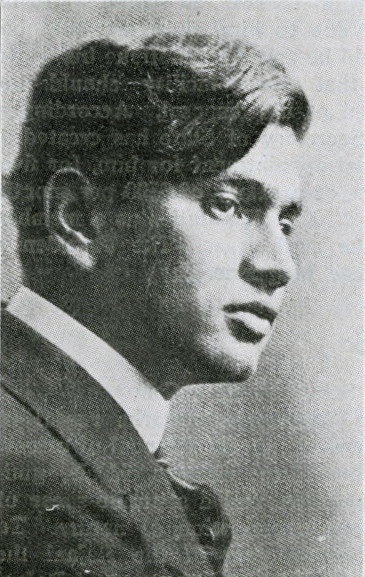
Dhan Gopal Mukerji became the first writer of Indian origin to receive major recognition in American children’s literature when he won the Newbery Medal in 1928 for Gay-Neck: The Story of a Pigeon. Through his writing, he introduced generations of American readers to Indian culture, spirituality, and philosophical traditions at a time when such perspectives […]