Building American Collections of Indian Art
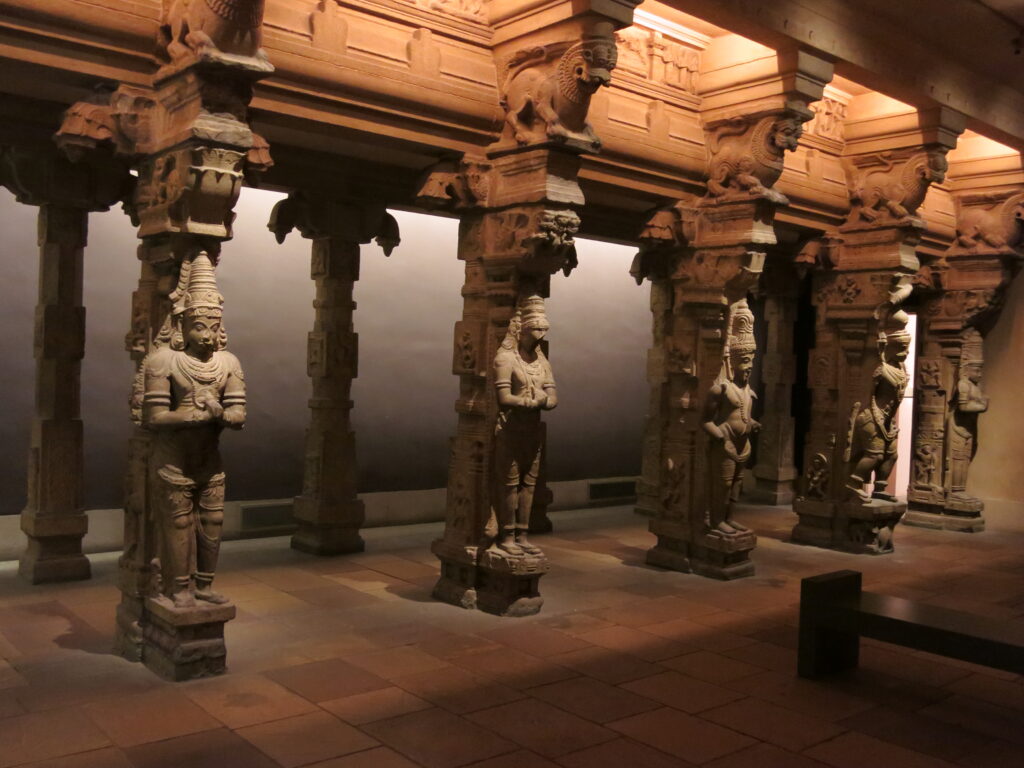
Major U.S. museums initially presented South Asian and Indian art within broader archaeological, ethnographic, or “Oriental” collections before gradually establishing dedicated South Asian galleries. An important milestone came in 1919, when the Philadelphia Museum of Art acquired and later permanently installed a monumental sixteenth-century South Indian Temple Hall, demonstrating that Indian architecture could be displayed […]
The Dawn of Indian Classical Music in the West
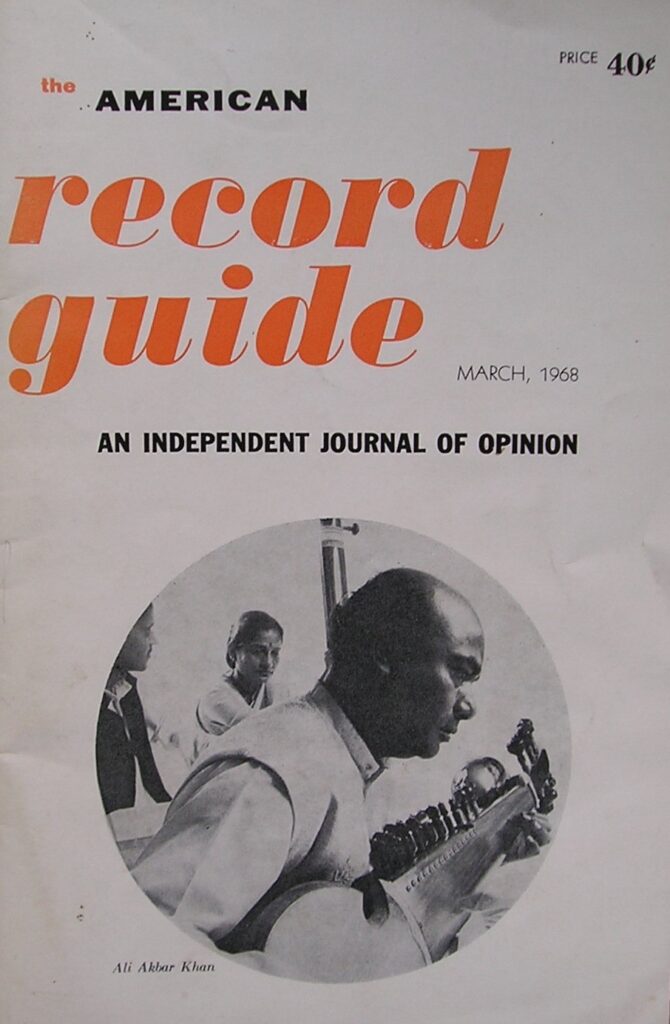
Ustad Ali Akbar Khan’s April 1955 recording session in New York City fundamentally reshaped the global musical landscape. Stepping into a temporary studio at MoMA, the sarod maestro broke through centuries of geographic isolation. He translated ancient, complex Hindustani ragas into a format accessible to Western ears. Accompanied by Chatur Lal’s precise tabla, Khan utilized […]
A New Generation of Indian Origin Musicians Reshapes American Concert Halls
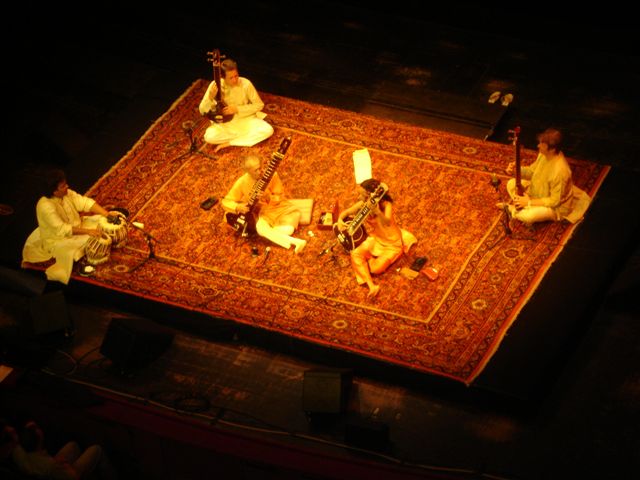
A new generation of Indian-origin musicians reshaped American musical institutions by moving beyond performance into composition, innovation, and cultural leadership. Vijay Iyer transformed contemporary jazz through the integration of Indian rhythmic traditions, while Vijay Gupta expanded access to classical music through community-based performance. Reena Esmail bridged Hindustani and Western classical traditions through works commissioned by […]
Indian Diaspora Shapes American Fashion and Beauty
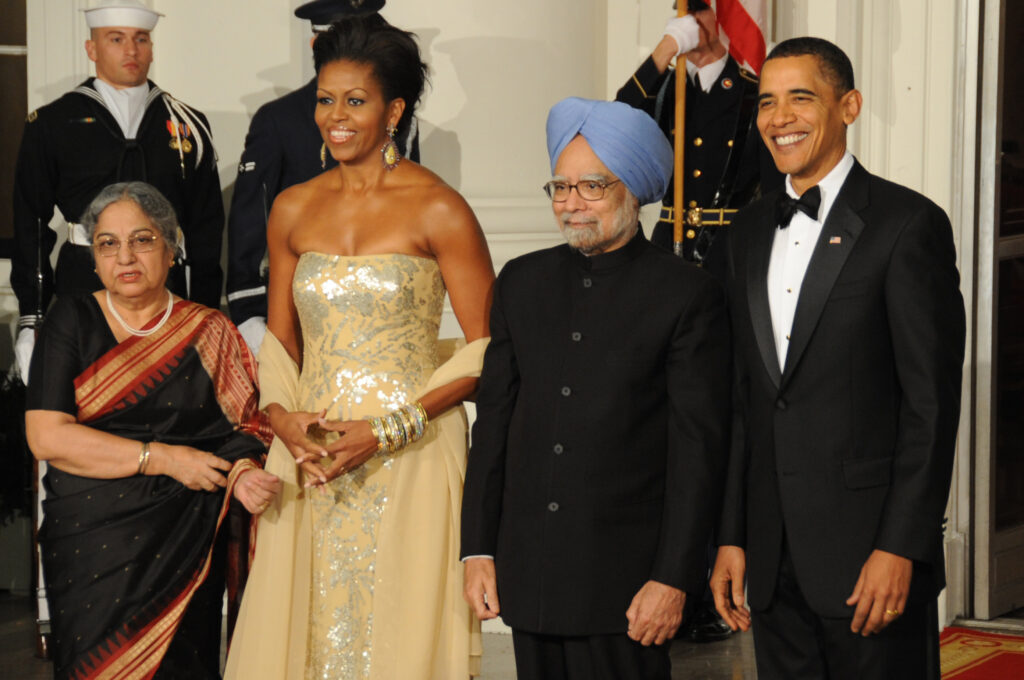
Indian-origin designers and entrepreneurs reshaped American fashion and beauty by bringing underrepresented aesthetics and consumers into the mainstream. Naeem Khan introduced Indian embroidery traditions to one of the nation’s most visible stages when First Lady Michelle Obama wore his designs at a State Dinner in 2009. Bibhu Mohapatra, trained at FIT and based in New […]
Salman Rushdie Anchors the American Free Expression Movement
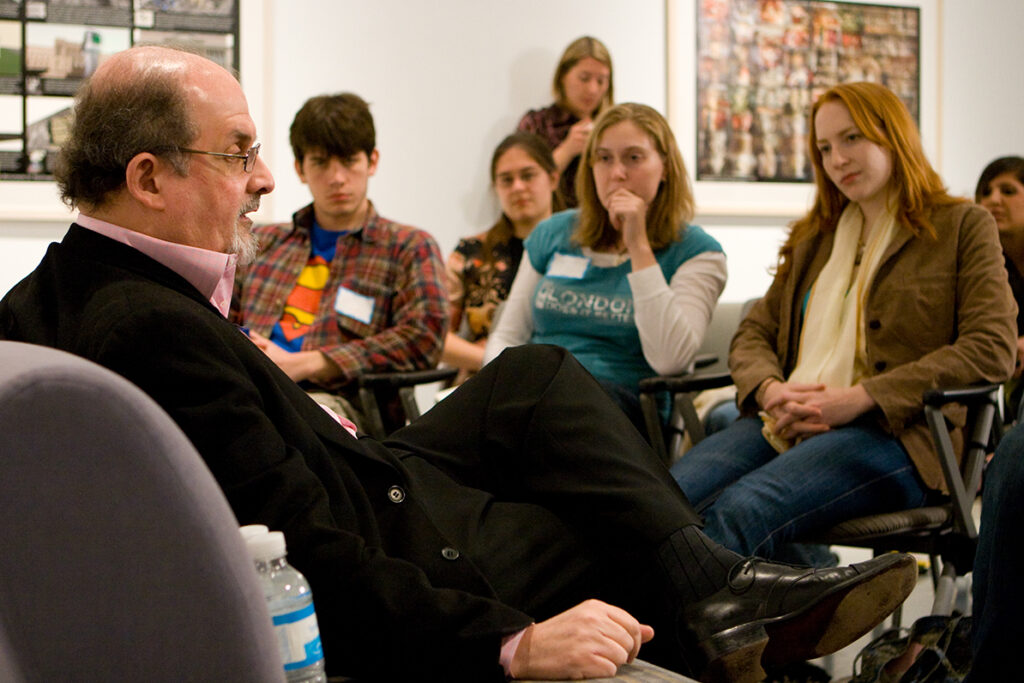
After relocating to New York in 2000, Salman Rushdie became one of the most prominent defenders of free expression in American literary life. As President of PEN America and founder of the PEN World Voices Festival, he championed writers facing censorship and persecution around the world. His advocacy made him a leading voice for artistic […]
Visual Artists Reclaim the Archive and Map the Diaspora
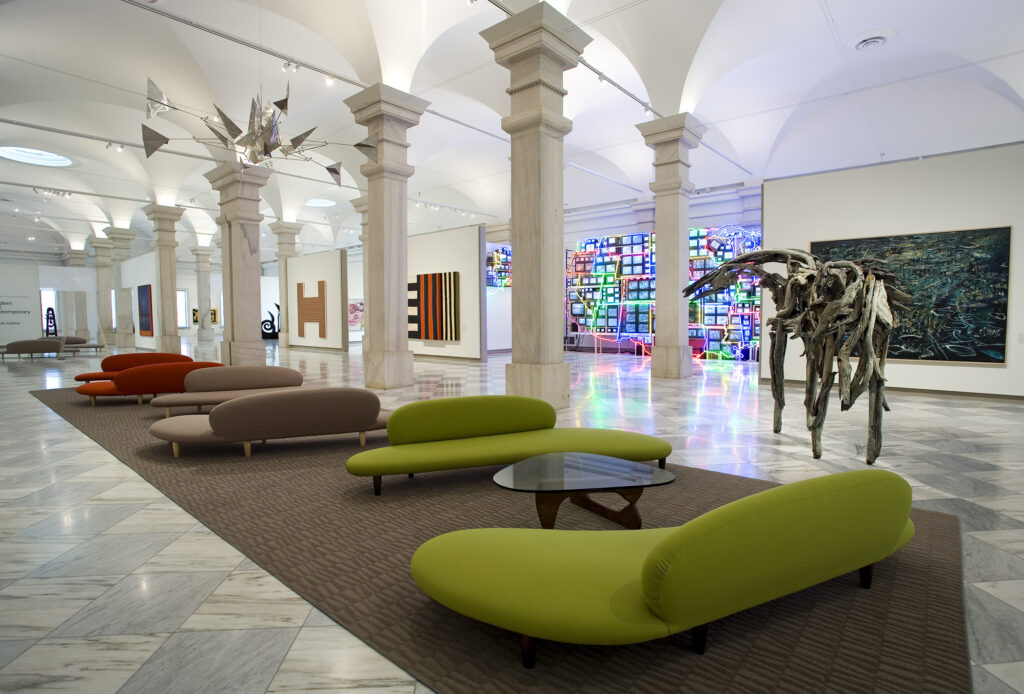
Across museums, galleries, photography, and animation, Indian-origin artists reinterpreted history, identity, and migration for American audiences. Rina Banerjee explored the complexities of diaspora through multimedia installations, Zarina Hashmi memorialized the trauma of Partition through minimalist art, and Annu Palakunnathu Matthew challenged colonial narratives by reimagining ethnographic photography. Meanwhile, Sanjay Patel introduced Hindu visual traditions to […]
Agha Shahid Ali Introduces the Ghazal to American Poetry

During the 1990s, Agha Shahid Ali introduced the classical Persian and Urdu ghazal into mainstream American poetry. Through his own acclaimed collections and a landmark anthology, he demonstrated that the form’s strict structure, recurring refrains, and emotional depth could thrive in English. He also championed the ghazal in universities, workshops, and literary circles, encouraging American […]
Transforming the Visual Arts and the American Public Square
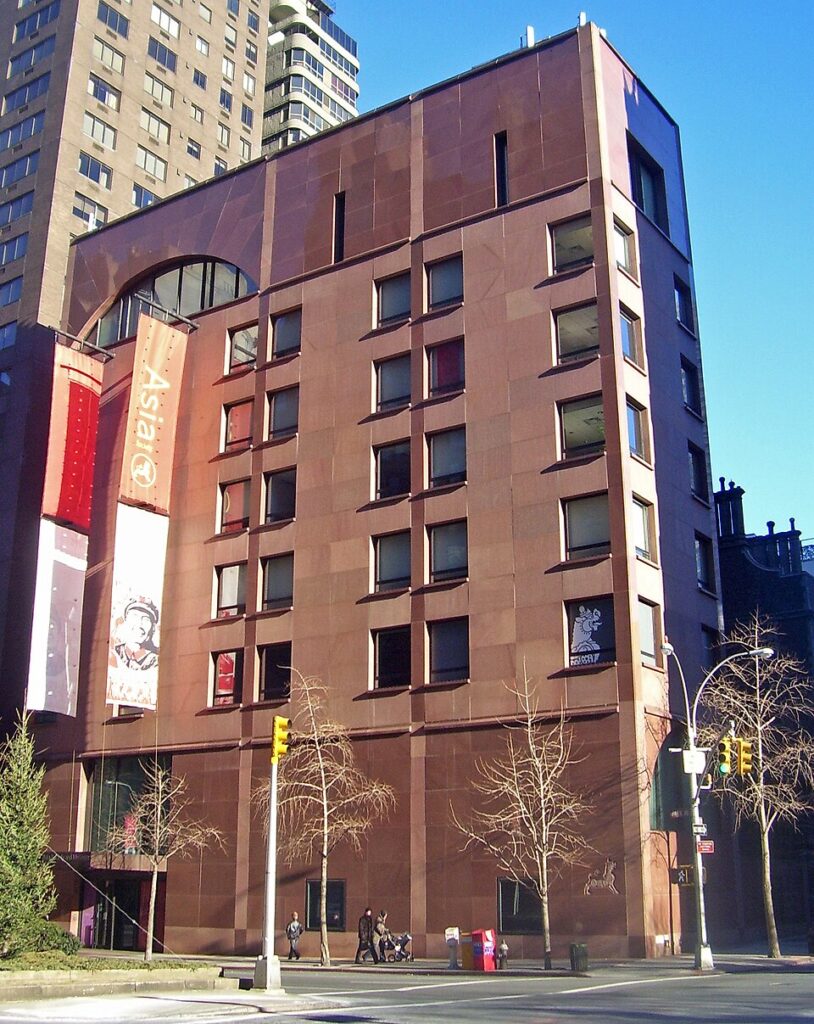
Natvar Bhavsar’s Guggenheim Fellowship (1970) placed Indian-origin abstract art inside the New York Color Field movement. Vishakha Desai’s appointment as Director of the Asia Society Museum (1990) shifted a major institution’s focus toward South Asian and Indian American artists, a curatorial shift extended through the Met Breuer’s inaugural Nasreen Mohamedi show (2016) and Tara Sabharwal’s […]
Indian Classical Dance Takes Root on the American Stage
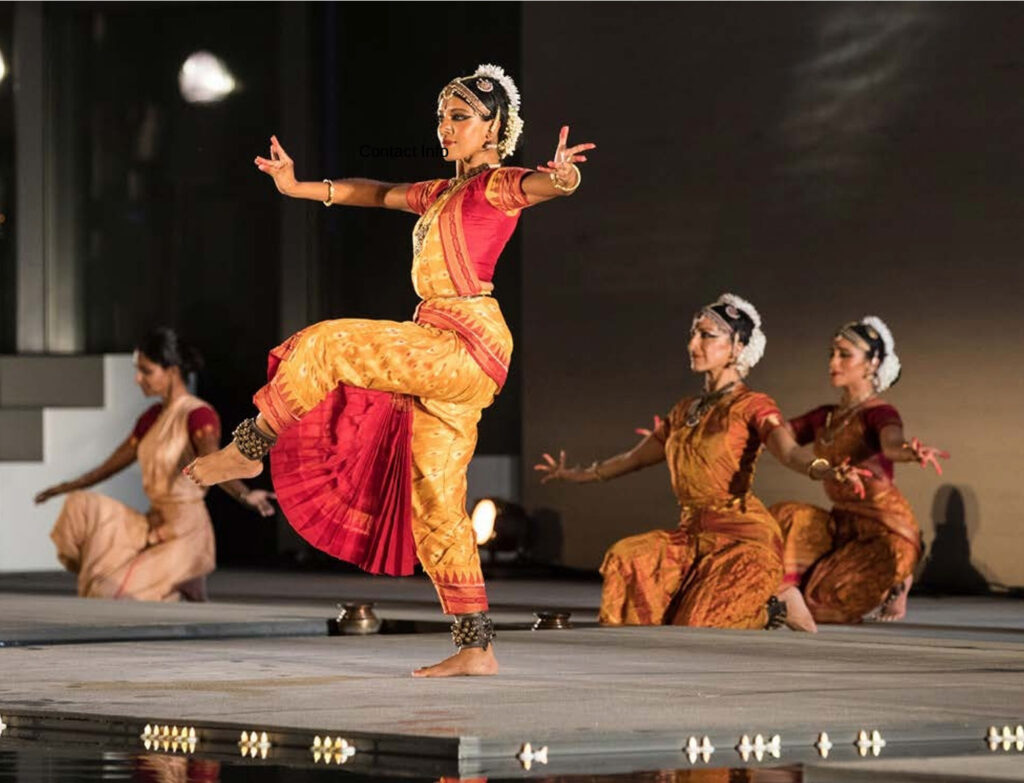
Indian classical dance secured a lasting place in American cultural life through decades of artistic innovation and institution-building. Beginning with Bhaskar Roy Chowdhury’s efforts to introduce Indian dance to New York audiences in the 1950s, artists created pathways for South Asian performance traditions within American theaters. In the 1960s and 70s, Balasaraswati served as a […]
The Diaspora Expands the Scope of the American Literary Canon
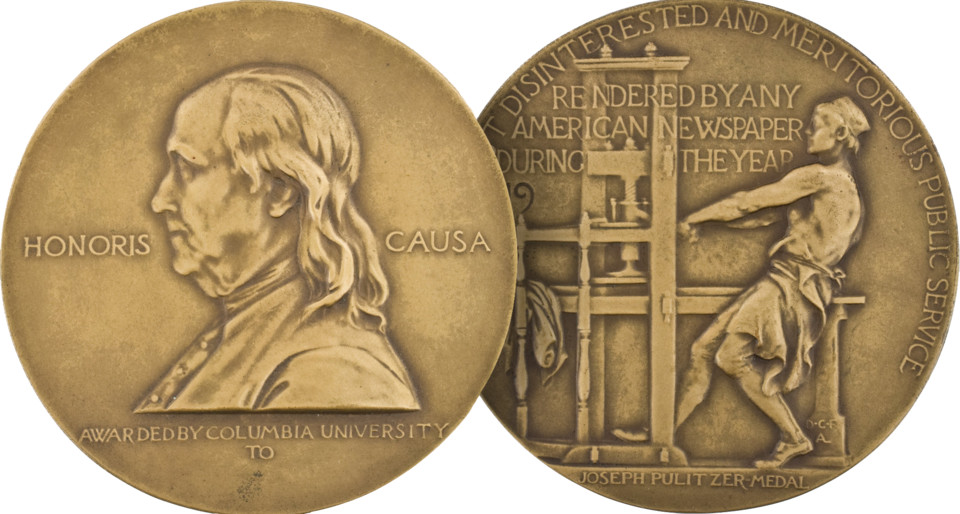
Over the course of a century, Indian American writers expanded the boundaries of American literature and redefined whose stories belonged within it. Dhan Gopal Mukerji’s 1928 Newbery Medal introduced themes rarely seen in American publishing. Bharati Mukherjee’s National Book Critics Circle Award asserted the immigrant experience as central to American identity, while Jhumpa Lahiri’s Pulitzer […]