

Indian-Origin Economists Reshape the American Academy’s Understanding of Global Development
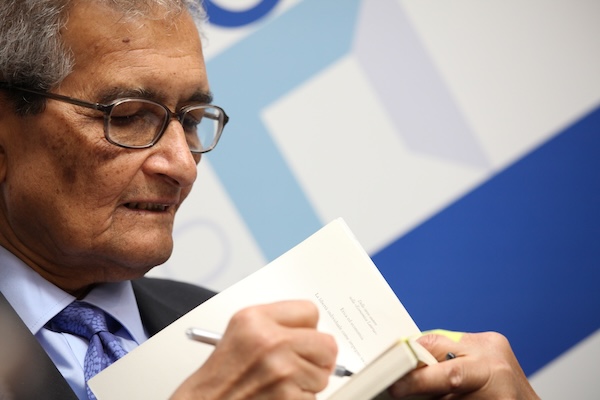
Indian-origin economists transformed American thinking on trade, poverty, and development. Columbia University’s Jagdish Bhagwati became the leading academic advocate of free trade. Harvard’s Amartya Sen received the 1998 Nobel Prize for developing the capabilities approach, reshaping how wellbeing is measured beyond economic output. In 2019, MIT’s Abhijit Banerjee won the Nobel Prize for pioneering randomized […]
Indian-Origin Innovators Democratize Education

The 21st century witnessed a profound democratization of education led in part by Indian American innovators. In 2008, Sal Khan founded Khan Academy, pioneering free, mastery-based online learning for millions of students. Its success inspired a broader movement toward accessible digital education, influencing platforms such as Coursera and reshaping public expectations about who could access […]
Indian-Origin Academics Rise to Lead American Universities

Indian-origin academics increasingly assumed leadership of major American universities, reflecting the community’s growing influence in higher education. Beheruz Sethna became the first Indian American to serve as president of a U.S. university. He was followed by leaders including Ravi V. Bellamkonda at Ohio State University, Pradeep Khosla at the University of California, San Diego, Renu […]
Raj Chetty Maps the Geography of the American Dream
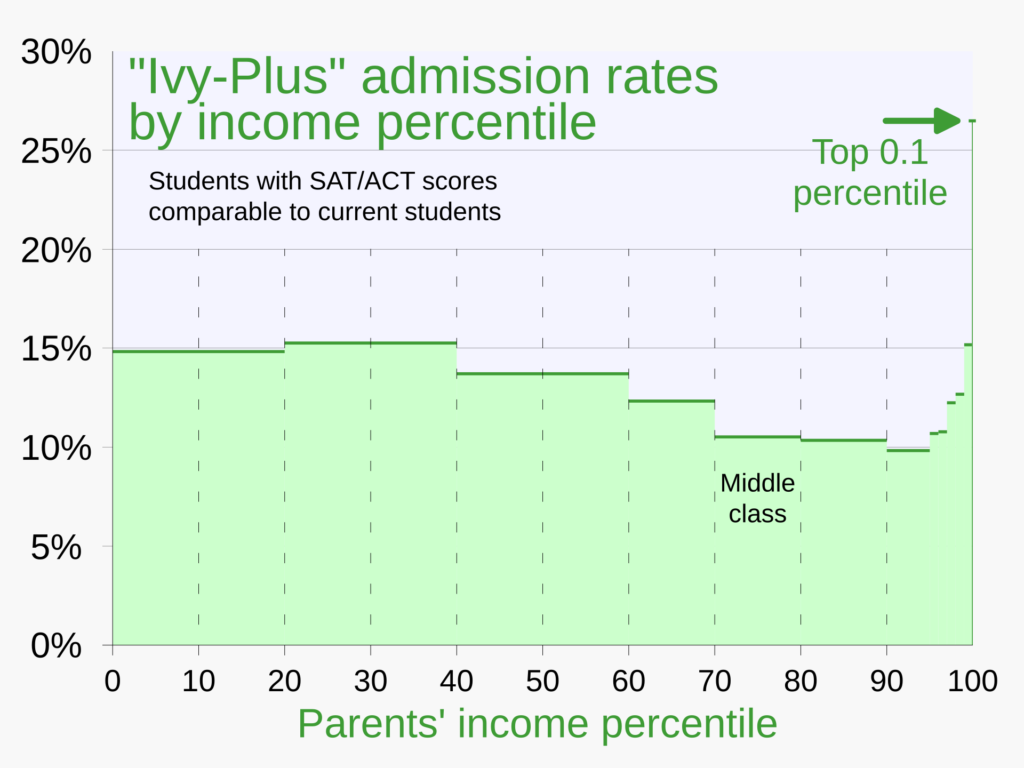
Using millions of anonymized administrative records, Harvard economist Raj Chetty developed the Opportunity Atlas, revealing how a child’s prospects for upward mobility vary dramatically by neighborhood. His research demonstrated that geography plays a decisive role in economic opportunity, reshaping debates on inequality, housing, education, and urban policy. The findings influenced federal, state, and local policymakers […]
Raghuram Rajan Warns of the 2008 Financial Crisis

At the 2005 Jackson Hole Economic Policy Symposium, University of Chicago economist Raghuram Rajan warned that increasingly complex financial innovations were creating systemic risks capable of triggering a major economic crisis. His analysis was widely criticized at the time but proved strikingly prescient during the global financial crisis three years later. Rajan’s warning became one […]
Indian-Origin Scholars Write the American MBA Curriculum and Lead Its Schools
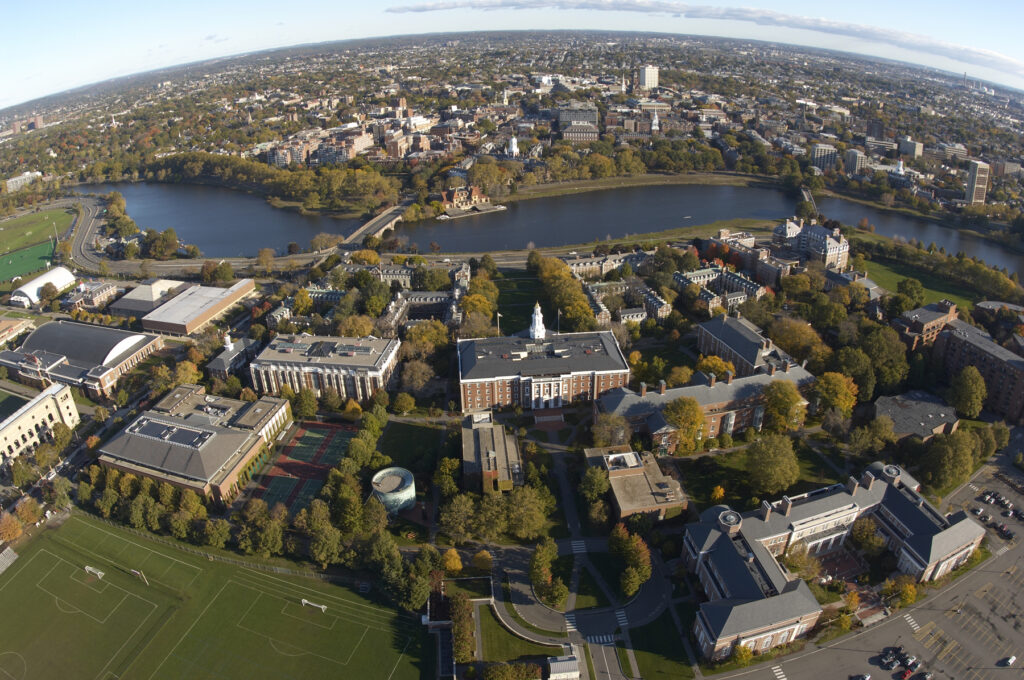
Indian-origin scholars transformed American business education through both scholarship and institutional leadership. C.K. Prahalad co-authored The Core Competence of the Corporation, one of the most influential articles in Harvard Business Review. Aswath Damodaran’s valuation methods became standard in MBA and CFA programs worldwide. Dipak Jain became the first dean of Indian origin to lead a […]
Banaji and Ambady Expose the Architecture of Unconscious Bias

Mahzarin Banaji and Nalini Ambady transformed American psychology by revealing how unconscious judgments shape human behavior. In 1998, the Implicit Association Test, co-developed by Banaji, transformed how institutions measure unconscious bias across research, education, business, and law enforcement. Ambady’s pioneering research on “thin slices” demonstrated that people form remarkably consistent judgments from brief social encounters. […]
Indian-Origin Scholars Transform the Humanities in the American Academy
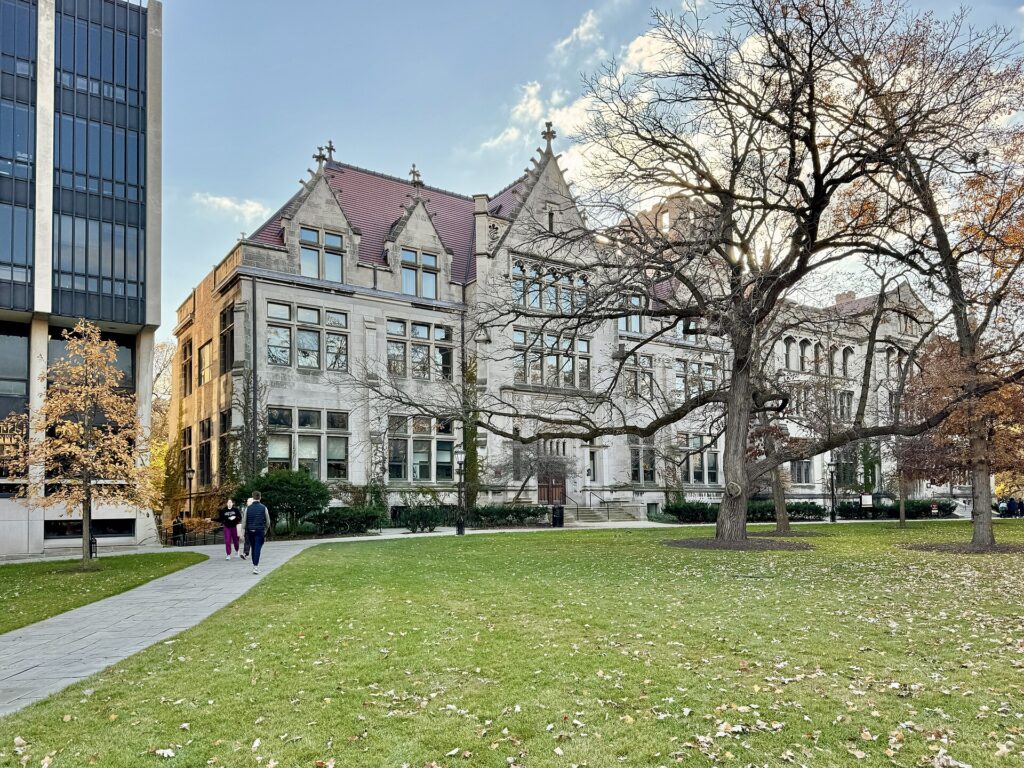
Beginning in the mid-1980s, Indian-origin scholars reshaped the American humanities by challenging inherited assumptions about history, culture, power, and knowledge. Working across literature, anthropology, history, and cultural studies, Gayatri Chakravorty Spivak, Arjun Appadurai, and Dipesh Chakrabarty introduced postcolonial frameworks that transformed scholarship throughout American universities. Their work permanently broadened how the academy understands colonialism, globalization, […]
C.R. Rao Shapes Modern Statistical Science
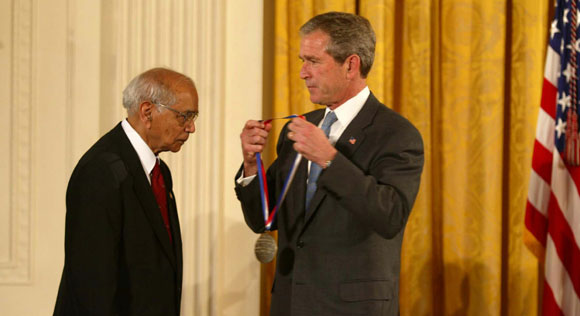
Over decades at Pennsylvania State University and the University at Buffalo, C.R. Rao developed statistical principles that became fundamental to modern scientific research. Concepts including the Cramér-Rao bound and the Rao-Blackwell theorem transformed how uncertainty, estimation, and inference are measured across disciplines. His work reshaped biostatistics, economics, engineering, and the natural sciences, influencing the analytical […]
A.K. Ramanujan Brings Classical South Asian Literature into the American Academy
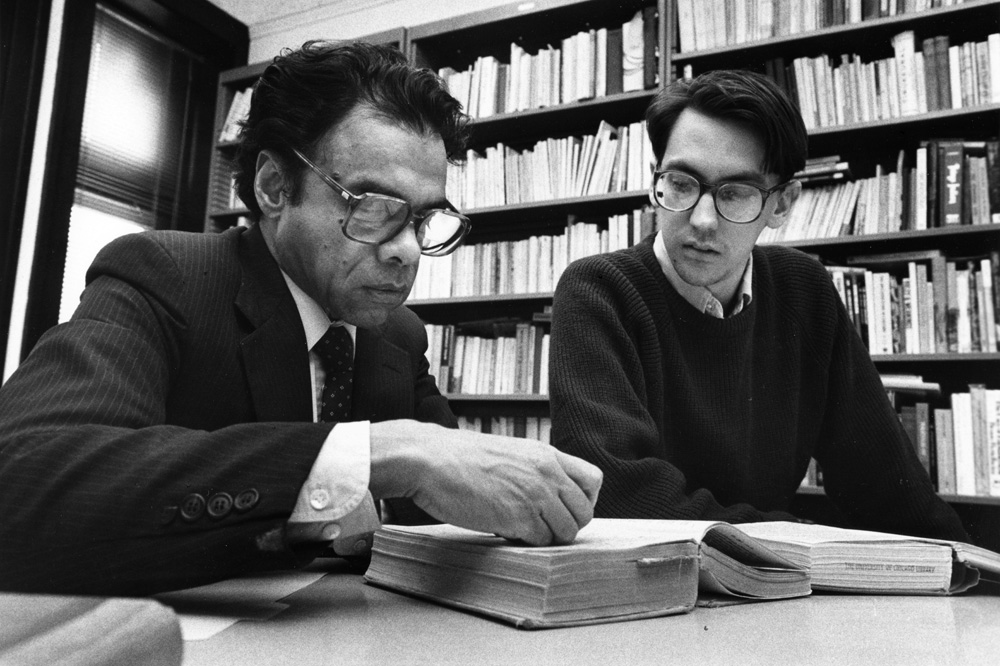
A.K. Ramanujan’s translations of classical Tamil, Kannada, and Sanskrit texts introduced South Asian literary traditions to generations of American scholars. Works including Speaking of Siva, Poems of Love and War, and The Interior Landscape became foundational texts in American universities. His essay Three Hundred Ramayanas reshaped how scholars approached mythology, religion, and textual traditions, permanently […]