

Jigar Shah and the Solar Power Purchase Agreement

Jigar Shah transformed the economics of renewable energy by introducing the solar power purchase agreement through SunEdison in 2003. The financing model eliminated upfront installation costs, making solar energy accessible to homeowners, businesses, and public institutions. By removing the industry’s greatest financial barrier, the innovation accelerated the deployment of solar power across the United States […]
Subhankar Banerjee and the Fight to Protect ANWR

After leaving a career in science, Subhankar Banerjee spent 14 months documenting the Arctic National Wildlife Refuge, producing photographs that became the defining visual record in the campaign against oil drilling. His 2003 Smithsonian exhibition sparked political controversy after the Bush administration intervened to limit its display, while senators entered his images into the Congressional […]
Pioneering Tropical Forest Conservation Biology

Kamal Bawa’s pioneering research on tropical forest ecology transformed conservation biology by demonstrating the ecological importance of biodiversity in rapidly disappearing tropical ecosystems. His work reshaped scientific understanding of forest conservation and influenced environmental research, policy, and biodiversity protection in the United States and around the world. Recognition with the Tyler Prize for Environmental Achievement […]
The Scientific Paradigm Shift Beyond CO2

Atmospheric scientist Veerabhadran “Ram” Ramanathan demonstrated that chlorofluorocarbons (CFCs) were far more potent greenhouse gases than carbon dioxide, transforming scientific understanding of climate change beyond CO2 alone. His research redirected attention toward a broader class of super-pollutants and helped shape the scientific foundation for international negotiations that culminated in the 1987 Montreal Protocol, one of […]
Dr. Arun Majumdar
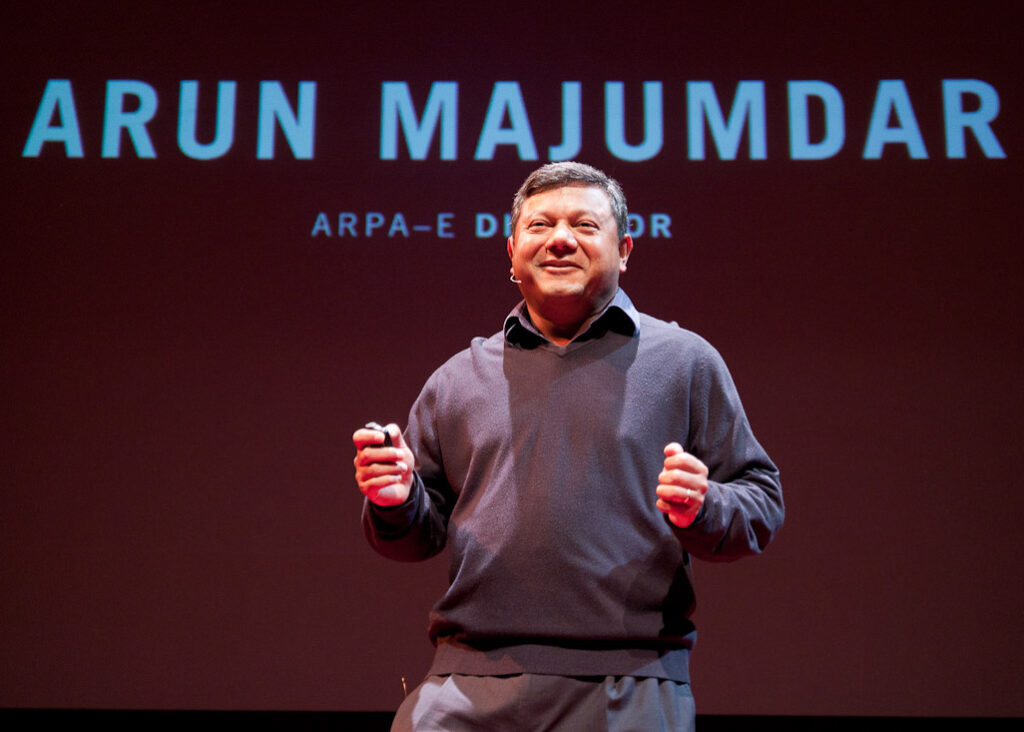
Arun Majumdar is a distinguished materials scientist and engineer currently serving as the inaugural dean of the Stanford Doerr School of Sustainability. A prominent leader in energy policy and technology, he was the first director of the Advanced Research Projects Agency-Energy (ARPA-E). Majumdar has held senior roles at the Lawrence Berkeley National Laboratory and Google, […]
Dr. Sunita Satyapal

Dr. Sunita Satyapal is an internationally recognized expert in hydrogen and fuel cells with over 30 years of experience across government, industry, and academia. Formerly the Director of the U.S. Department of Energy’s Hydrogen and Fuel Cell Technologies Office (HFTO), she led strategic research, development, and international partnerships involving more than 25 countries. Dr. Satyapal […]
Ani Dasgupta
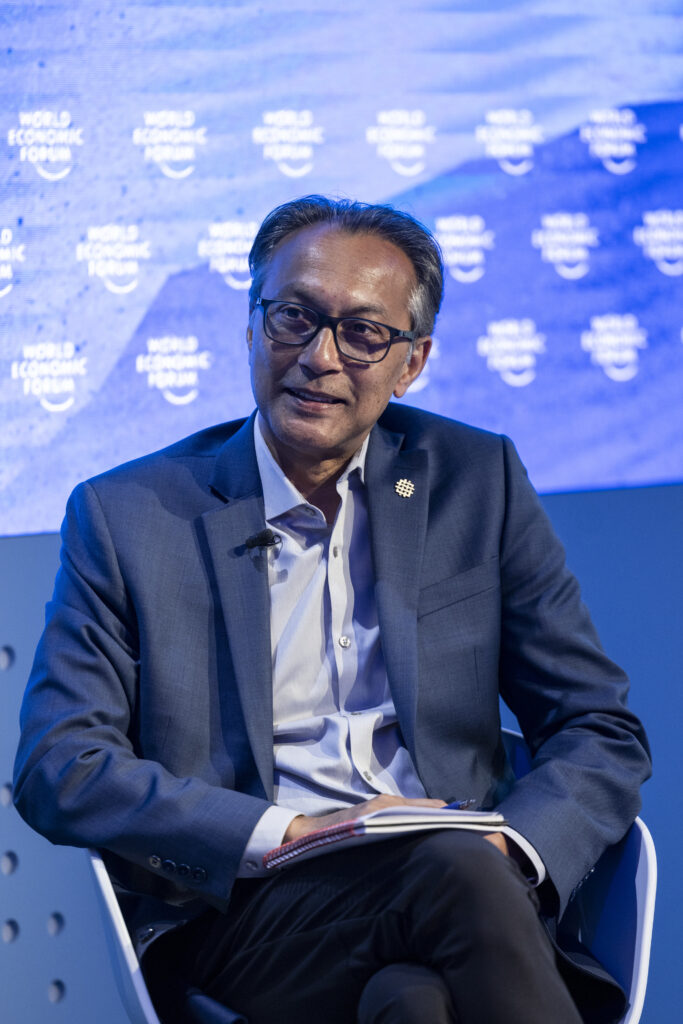
Ani Dasgupta is an environmental policy leader and urban planner. In 2021, he became President and CEO of the World Resources Institute, one of the world’s leading environmental research organizations. His leadership has strengthened WRI’s work on climate, sustainable cities, food systems, energy, and natural resources while advancing evidence-based solutions that influence environmental policy in […]
Varshini Prakash

Varshini Prakash is a climate activist. In 2017, she co-founded the Sunrise Movement, helping build one of the most influential youth-led climate organizations in the United States. Under her leadership, the movement brought the Green New Deal into the national political conversation and mobilized a new generation of Americans around climate action, environmental justice, and […]
Raj Pandya

Raj Pandya is a scientist and science policy leader. As founding director of the American Geophysical Union’s Thriving Earth Exchange, he created a national program that connects scientists with communities facing environmental challenges. His work has expanded the role of community science in addressing climate resilience, environmental justice, and local decision-making across the United States.
Siddhartha Roy
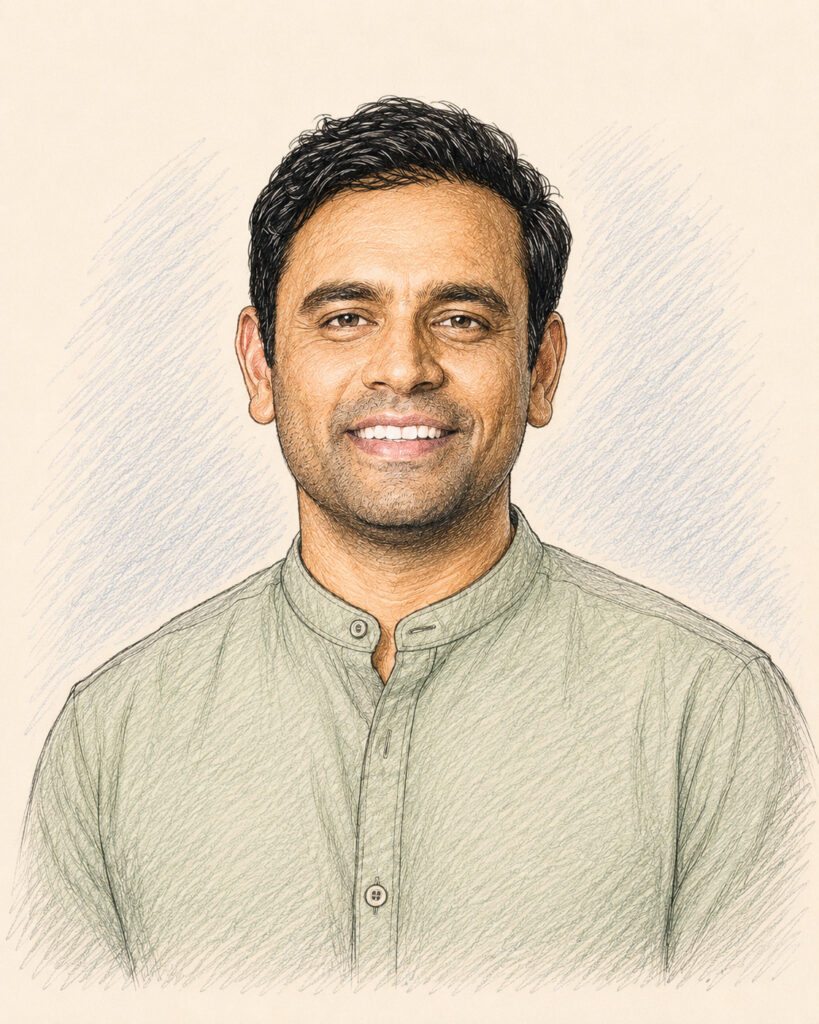
Siddhartha Roy is an environmental engineer whose independent research during the Flint water crisis helped expose dangerous lead contamination in the city’s drinking water. His findings supported federal intervention and highlighted the importance of scientific independence in protecting public health. Roy’s work demonstrated how rigorous community-based research can strengthen environmental justice and government accountability.