Namratha R. Kandula
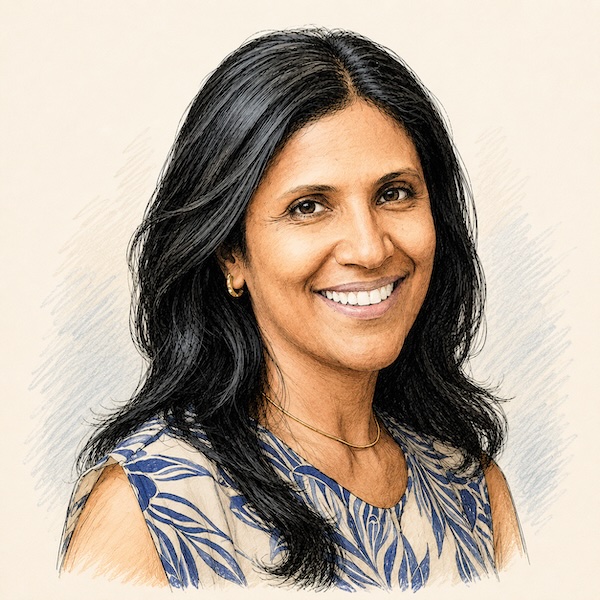
Dr. Namratha R. Kandula is a physician, epidemiologist, and public health researcher whose work has transformed understanding of chronic disease among South Asian Americans. As a professor at Northwestern University Feinberg School of Medicine, she has led landmark research on cardiovascular disease, diabetes, and health disparities, including the federally funded MASALA study. Her research has […]
Ashish Mathur
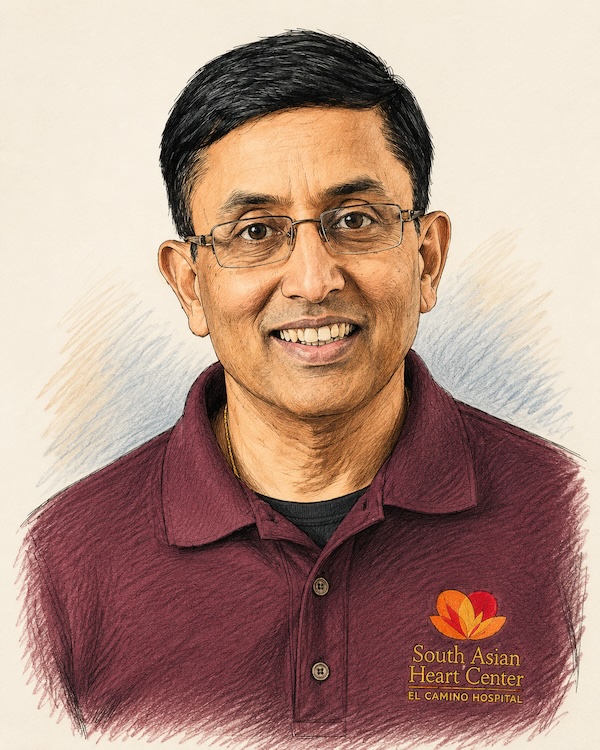
Ashish Mathur is a nonprofit leader and public health advocate dedicated to preventing heart disease in South Asian communities. As Executive Director of the South Asian Heart Center, he has expanded one of the United States’ leading organizations focused on reducing the disproportionately high rates of cardiovascular disease among South Asians. Through community screening, preventive […]
Nalini Saligram

Nalini Saligram is a global nonprofit leader and public health advocate dedicated to improving the lives of vulnerable children and families. As President and CEO of Arogya World, she has led initiatives to prevent noncommunicable diseases by promoting healthier lifestyles and workplace wellness. Nalini has lived and worked in many parts of the world. She […]
Community Action Transforming South Asian Health

Indian Americans helped redefine how one of their community’s greatest health challenges was addressed by turning awareness into action. The South Asian Healthy Lifestyle Initiative (SAHELI) (2012) pioneered culturally tailored lifestyle interventions that brought prevention into community settings. The South Asian Heart Center (2004) created one of the nation’s first comprehensive prevention programs designed specifically […]
Bhardwaj’s Dendritic Cell Research Founds Cancer Immunotherapy
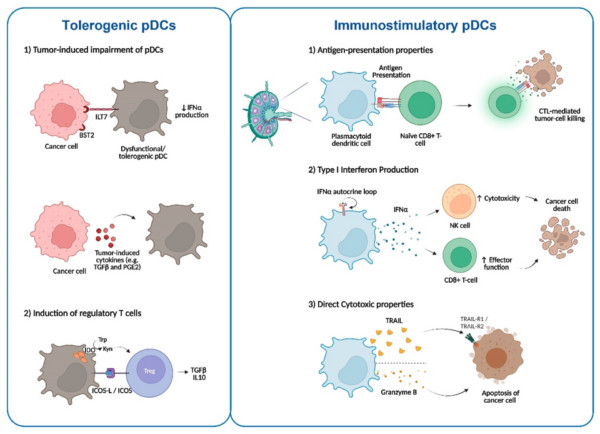
Immunologist Dr. Nina Bhardwaj pioneered research on how human dendritic cells activate the immune system to recognize and fight cancer. Her discoveries transformed scientific understanding of tumor immunity and helped lay the foundation for dendritic cell-based immunotherapies, including the development of therapeutic cancer vaccines. By translating basic immunology into clinical applications, her work accelerated one […]
Gopalan’s Breast Cancer Research at NIH
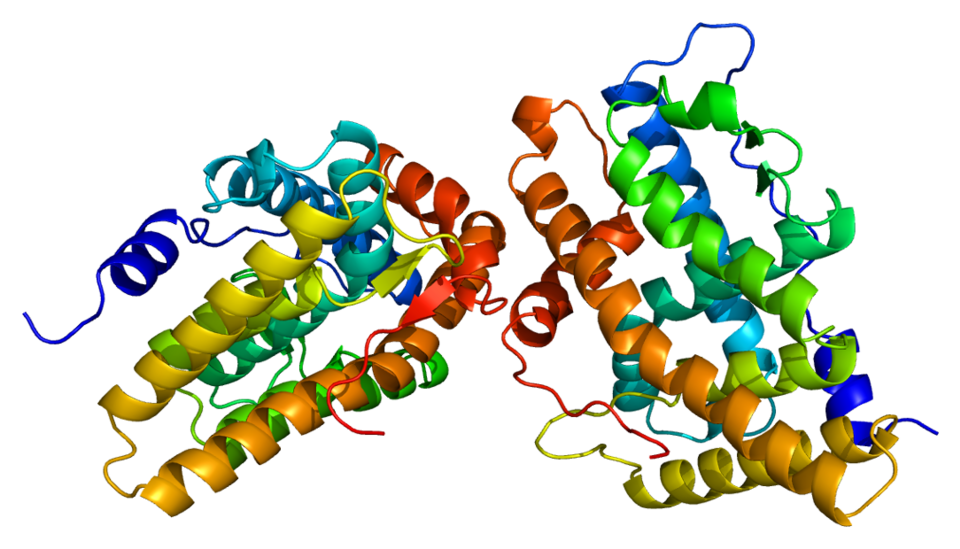
At the National Institutes of Health, Dr. Shyamala Gopalan advanced understanding of hormone-responsive breast cancer through pioneering research on progesterone receptors and heat shock proteins. She also developed laboratory methods for analyzing breast tissue that were adopted in clinical practice. Her discoveries helped explain how certain breast cancers grow and respond to hormones, improving diagnostic […]
SubbaRow’s Work at Harvard and Lederle Transforms American Medicine

Working at Harvard and later at Lederle Laboratories in New York, Yellapragada SubbaRow helped transform modern medicine. His early research advanced understanding of phosphorus metabolism and ATP, while his later work led to the industrial synthesis of folic acid, the development of Aureomycin, the first broad-spectrum tetracycline antibiotic, and methotrexate, which produced the first remissions […]
Balamurali Ambati Becomes the World’s Youngest Doctor

Balamurali Ambati graduated from the Mount Sinai School of Medicine at age 17, becoming the world’s youngest physician as recognized by Guinness World Records. His extraordinary achievement challenged conventional assumptions about age, academic readiness, and professional training in American medicine. By reaching one of the nation’s most demanding professions at an unprecedented age, Ambati demonstrated […]
Bandi’s Research Shows Expanded Lung Cancer Screening Could Save 62,000 Lives
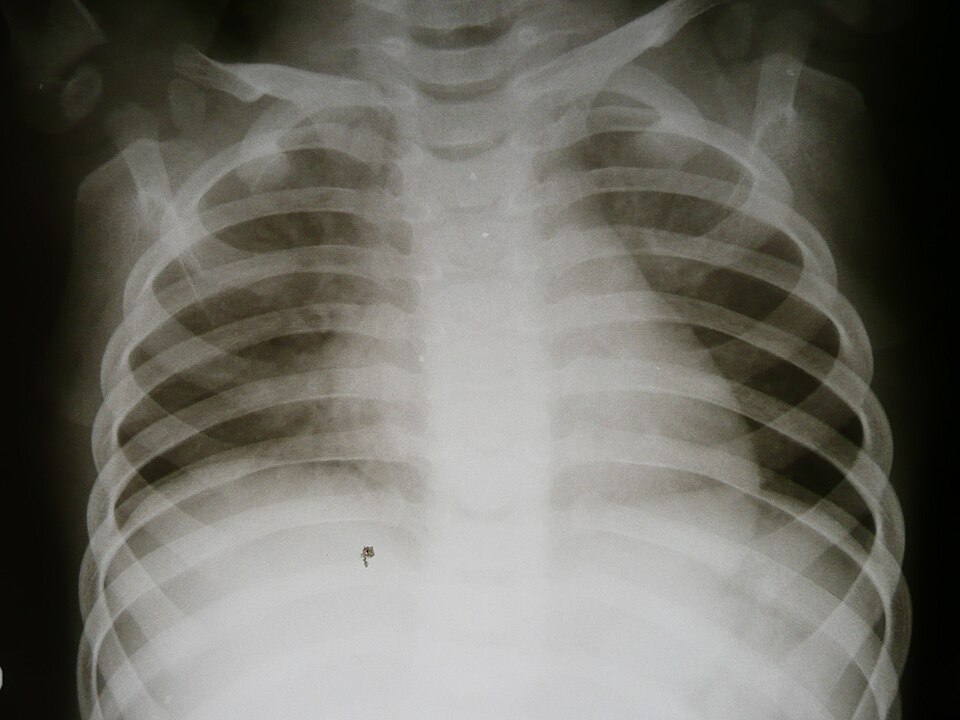
Dr. Priti Bandi published research in JAMA showing that expanding lung cancer screening to all eligible U.S. adults could prevent more than 62,000 deaths within five years. Her analysis exposed major gaps in access to early detection and demonstrated the life-saving potential of broader screening. The findings strengthened national efforts to expand insurance coverage and […]
Kanaya’s MASALA Study Reshapes Cardiovascular Guidelines for South Asians

Dr. Alka Kanaya launched the MASALA Study, the first major National Institutes of Health-funded longitudinal study of South Asian Americans, to investigate the population’s elevated risk of cardiovascular disease. Its findings transformed understanding of metabolic and heart health among South Asians and informed U.S. clinical guidance on screening, body mass index thresholds, and preventive care. […]