

Sesh Iyer

Sesh Iyer is the EVP of Ops, Technology and Digital Transformation at the Chubb Insurance Group. Before Chubb, he was the North America Chair at BCG X, the Boston Consulting Group’s design and build business. Sesh was an author of the early versions of the Capability Maturity Model Integrated (CMMI) that became a benchmark for software […]
Indian American Engineers Become the Backbone of American Patent Innovation
Across the late twentieth century, Indian-origin engineers became deeply embedded in the patent-producing core of American technology. At firms including IBM, Intel, Bell Labs, and Qualcomm, sustained clusters of Indian American inventors contributed to enterprise computing, semiconductor design, and telecommunications infrastructure. Their work accumulated across thousands of patents in distributed systems, chip architecture, wireless protocols, […]
Indian Americans Lead NASA’s Mars and Deep Space Missions
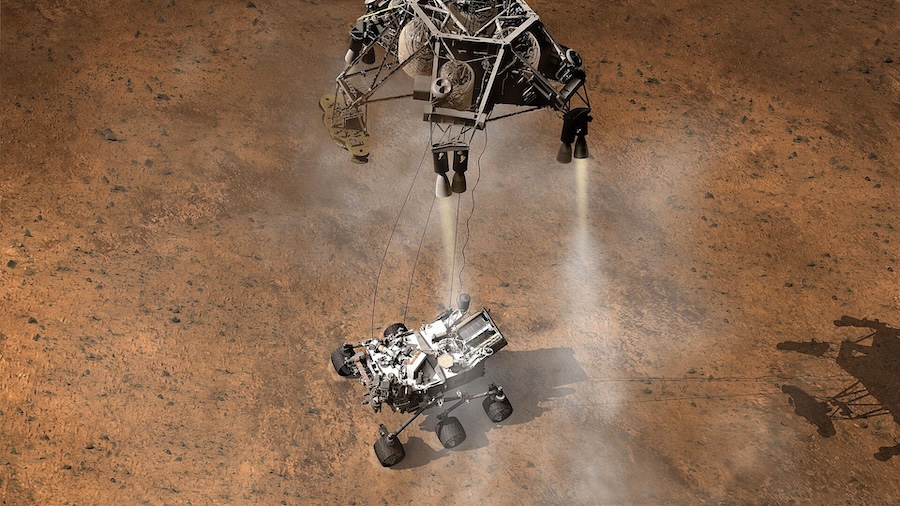
Indian Americans have played leading roles in some of NASA’s most ambitious exploration programs. Ashwin Vasavada helped guide discoveries about ancient habitability on Mars through the Curiosity rover mission. Swati Mohan led critical operations during the successful landing of Perseverance, while Amit Kshatriya helped oversee NASA’s Moon to Mars Program and Artemis missions. Together, they […]
The Architect of Modern Search

In 1998, Rajeev Motwani co-authored the first paper describing the PageRank algorithm with Larry Page, Sergey Brin, and Terry Winograd. This research detailed the initial prototype of the Google search engine. The PageRank algorithm—which measures the importance of web pages by analyzing hyperlink structures—subsequently became the fundamental basis for all of Google’s web-search tools. Motwani’s […]
Gitanjali Rao Named TIME’s First Kid of the Year
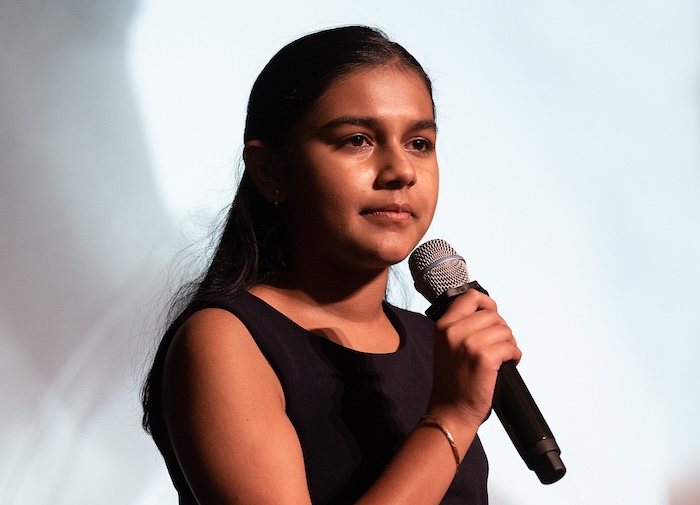
In 2020, Gitanjali Rao became the first recipient of TIME’s Kid of the Year honor, a recognition created to celebrate exceptional young leaders making a positive impact on the world. Selected from more than 5,000 nominees across the United States, Rao was recognized for combining science, technology, and entrepreneurship to address real-world challenges. Her inventions […]
Raj Reddy Wins the Turing Award for Pioneering Artificial Intelligence

In 1994, Dabbala Rajagopal “Raj” Reddy received the Turing Award, computing’s highest honor, often called the Nobel Prize of the field, for pioneering contributions to artificial intelligence, including foundational work in speech recognition and large-scale AI systems. Working at Carnegie Mellon University, he helped establish AI as a rigorous engineering discipline and founded CMU’s Robotics […]
Abhay Bhushan Inducted into the Internet Hall of Fame

In 2023, Abhay Bhushan was inducted into the Internet Hall of Fame in recognition of foundational protocols he authored decades earlier. As a graduate student at MIT, he wrote RFC 114, establishing the File Transfer Protocol, and contributed to early email standards that became core building blocks of ARPANET and the modern internet. His career […]
Sumita Mitra Wins European Inventor Award for Nano-Dental Materials

Billions of dental procedures worldwide have benefited from a breakthrough pioneered by Sumita Mitra. Working at 3M, she successfully applied nanotechnology to dental composite materials, creating stronger, more durable, and more natural-looking restorations. Her innovations helped redefine standards in restorative dentistry and transformed everyday dental care. In 2021, she received the European Inventor Award in […]
Sethuraman Panchanathan Becomes Director of the National Science Foundation
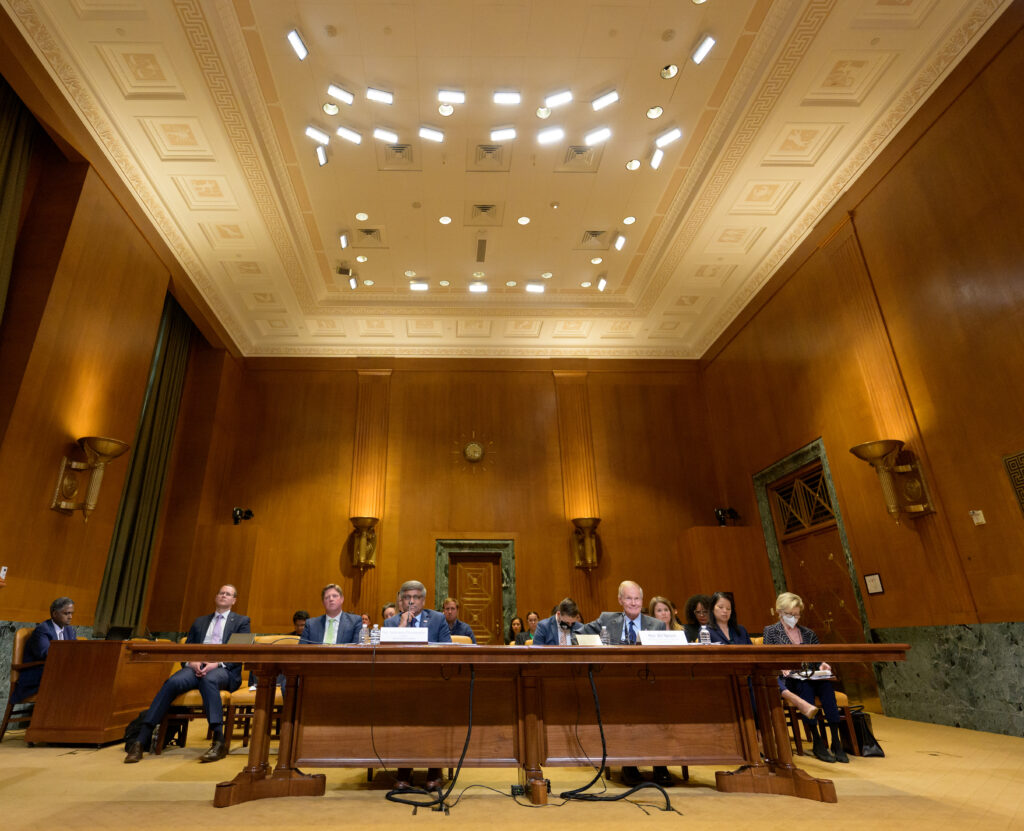
The direction of American scientific research is shaped in part by leaders who decide how billions of federal dollars are invested. In 2020, Sethuraman Panchanathan became Director of the National Science Foundation, one of the nation’s most important research-funding agencies. During his tenure, the NSF expanded investments in emerging technologies, advanced manufacturing, education, and basic […]
Indian-Origin Researchers Build the Architecture and Infrastructure of Modern AI
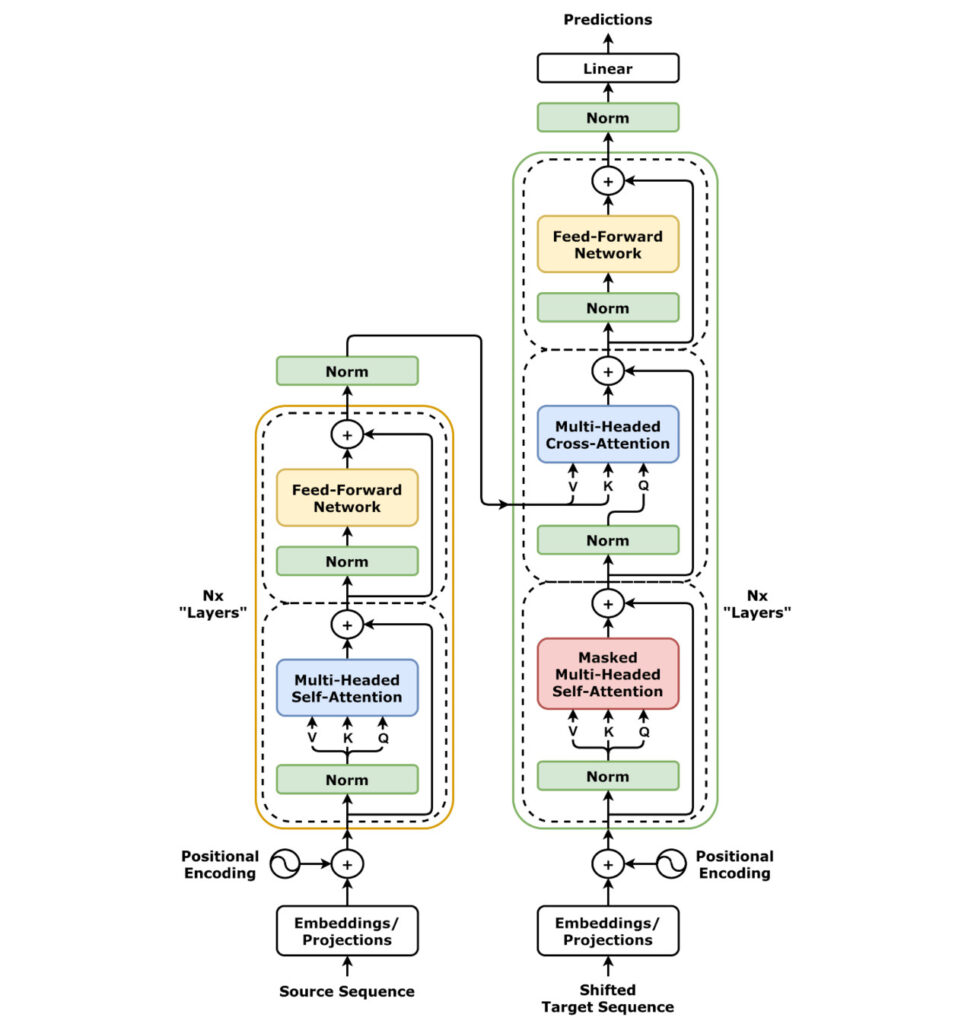
Many of today’s most powerful artificial-intelligence systems rely on technologies created by Indian-origin researchers. Ashish Vaswani and Niki Parmar helped develop the Transformer architecture that underlies modern generative AI. Soumith Chintala helped create PyTorch, one of the world’s leading AI development frameworks. Karthik Narasimhan co-authored the first GPT paper at OpenAI, while Prafulla Dhariwal co-created […]