
Har Gobind Khorana
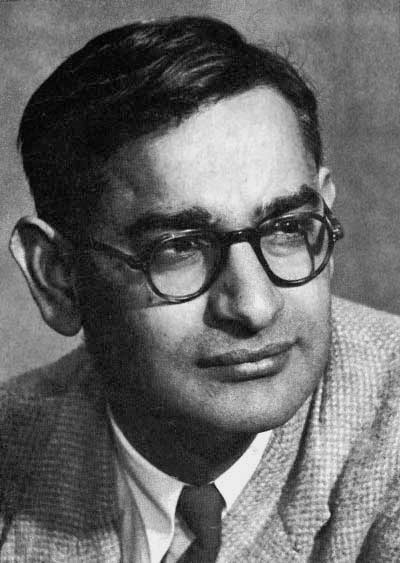
Har Gobind Khorana was a biochemist whose research helped establish the foundations of modern molecular biology and biotechnology. Working at the University of Wisconsin–Madison and later at Massachusetts Institute of Technology, he helped decipher how genetic information encoded in nucleic acids directs the production of proteins. He pioneered techniques for the chemical synthesis of oligonucleotides and artificial genes, methods that became essential tools in genetics and biotechnology. Awarded the Nobel Prize in 1968, Khorana’s work continues to underpin genetic research, sequencing, diagnostics, and therapeutic development.
The Birth of Fiber Optics

Every email, video call, and fiber-optic broadband connection relies on technology pioneered by Narinder Singh Kapany. In 1953–54, working at Imperial College London, he demonstrated the practical transmission of light through flexible glass fibers, publishing his results in Nature in 1954. He later coined the term “fiber optics” in a 1960 Scientific American article. His […]
C. Kumar Patel
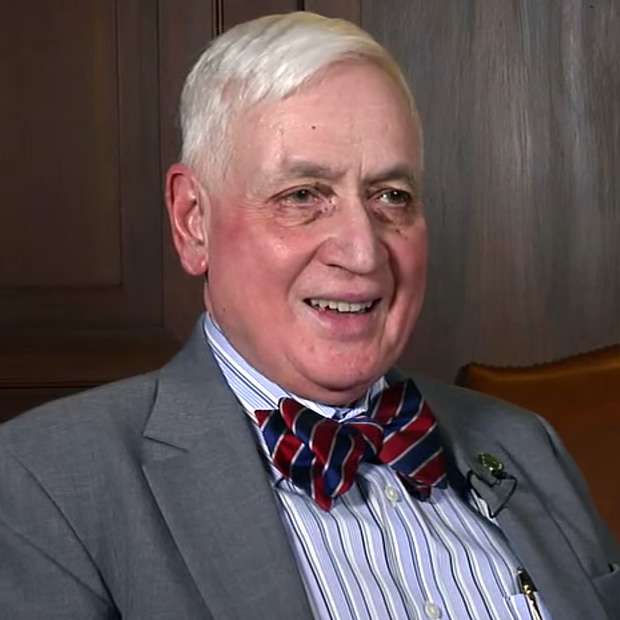
C. Kumar Patel is a physicist and engineer best known for inventing the carbon dioxide (CO₂) laser, one of the most important laser technologies ever developed. While at Bell Labs, he created a high-power laser that transformed industrial manufacturing, materials processing, and medical procedures. The technology became widely adopted around the world for cutting, welding, and precision applications. Patel later served as Vice Chancellor for Research at University of California, Los Angeles and held dozens of patents, leaving a lasting impact on both scientific research and technological innovation.
C. Kumar Patel Invents the CO2 Laser
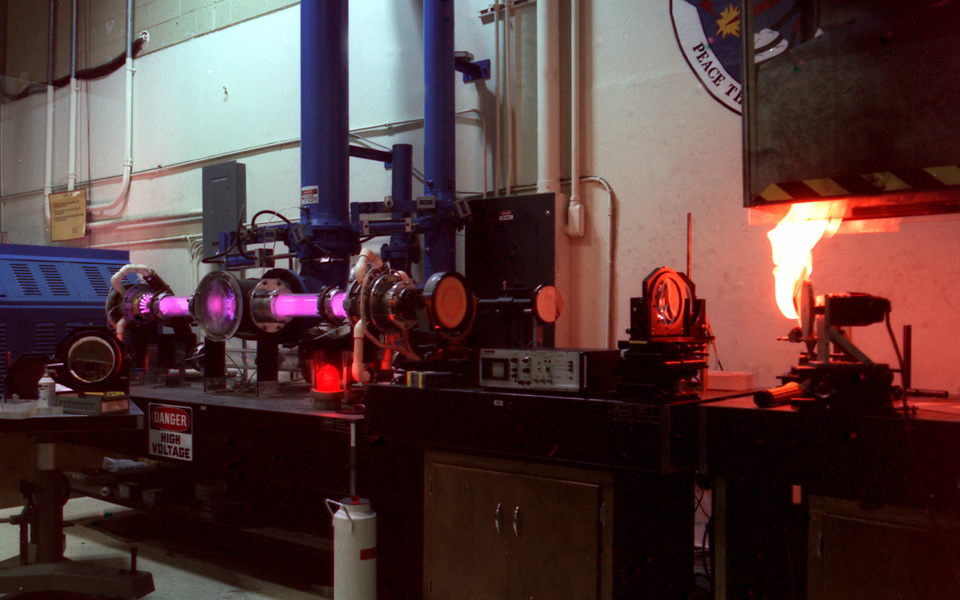
From factory assembly lines to surgical operating rooms, millions of laser-based systems depend on a technology invented by C. Kumar Patel. In 1964, while working at Bell Labs, he developed the carbon dioxide (CO₂) laser, the world’s most widely used high-power laser. The invention enabled precise cutting, welding, manufacturing, and medical procedures on an unprecedented […]
Narinder Singh Kapany
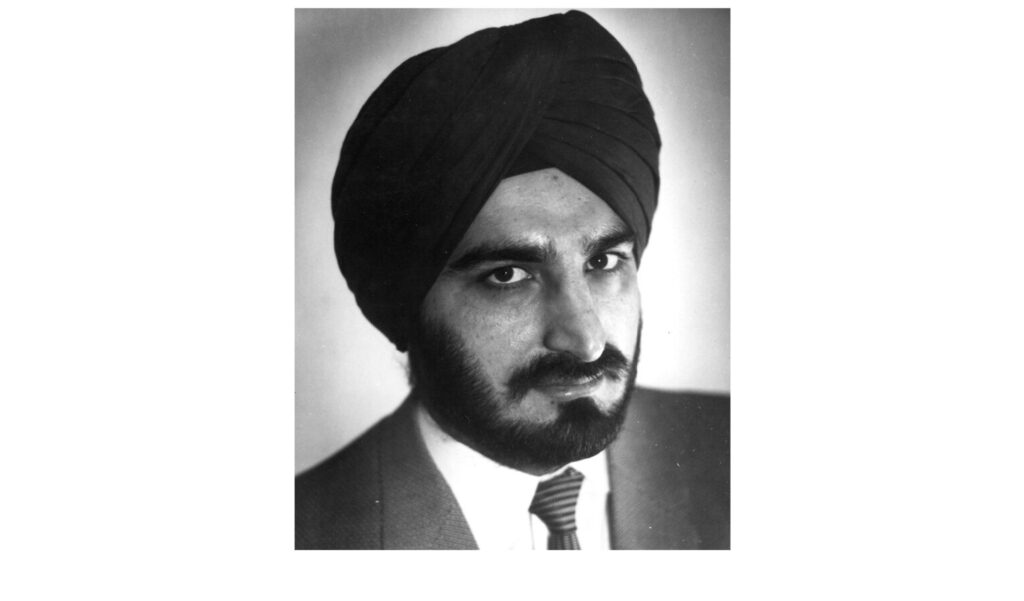
Narinder Singh Kapany was a physicist, entrepreneur, and pioneer of fiber optics whose research helped create the foundations of modern telecommunications. After demonstrating the transmission of light through glass fibers, he brought the technology from the laboratory to the marketplace, founding companies in Silicon Valley and helping establish fiber optics as a commercial industry. He authored the first book on the subject and held more than 100 patents. Often called the “Father of Fiber Optics,” Kapany’s work laid the groundwork for the high-speed communications networks that power the modern internet age.
Subrahmanyan Chandrasekhar
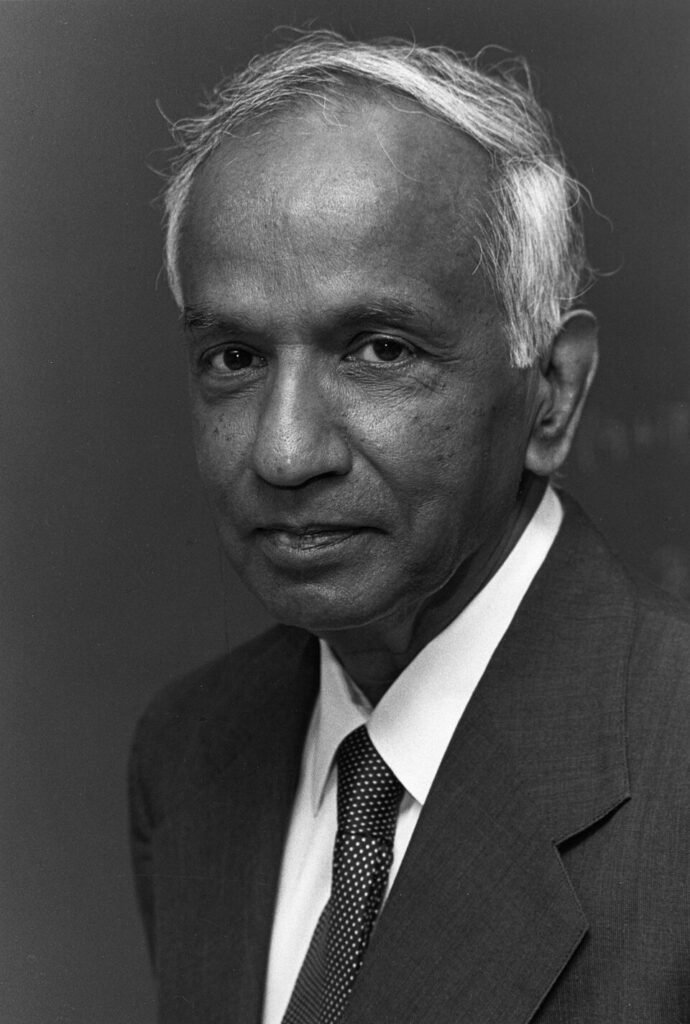
Subrahmanyan Chandrasekhar, a pioneering astrophysicist at University of Chicago, transformed modern theoretical astronomy through groundbreaking work on stellar structure, stellar evolution, and radiative transfer. His calculation of the Chandrasekhar Limit, the maximum mass of a stable white dwarf star, became a cornerstone of astrophysics. Over a career spanning decades in the United States, he helped shape the field through both research and mentorship, while also serving as editor of the Astrophysical Journal for nearly twenty years. His contributions established him as one of the most influential scientists of the twentieth century.
Chandrasekhar Limit and Nobel Prize: Reshaping Astrophysics
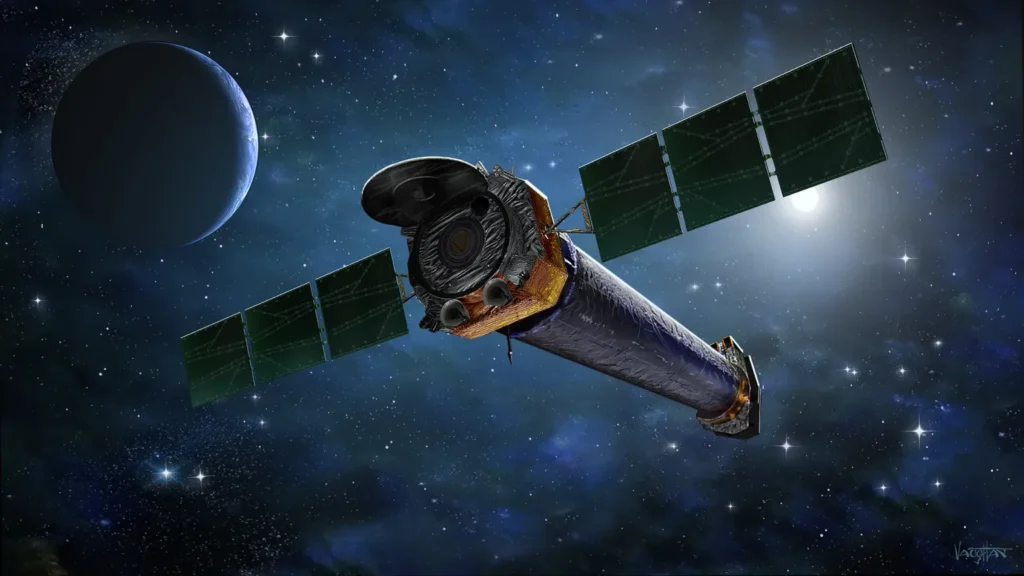
Every modern explanation of how stars become white dwarfs, neutron stars, or black holes begins with a discovery made by Subrahmanyan Chandrasekhar. In the 1930s, he calculated the maximum mass at which a white dwarf star can remain stable, a threshold now known as the Chandrasekhar Limit. The breakthrough transformed scientific understanding of stellar evolution […]
Indian American Astronauts Who Reached Space
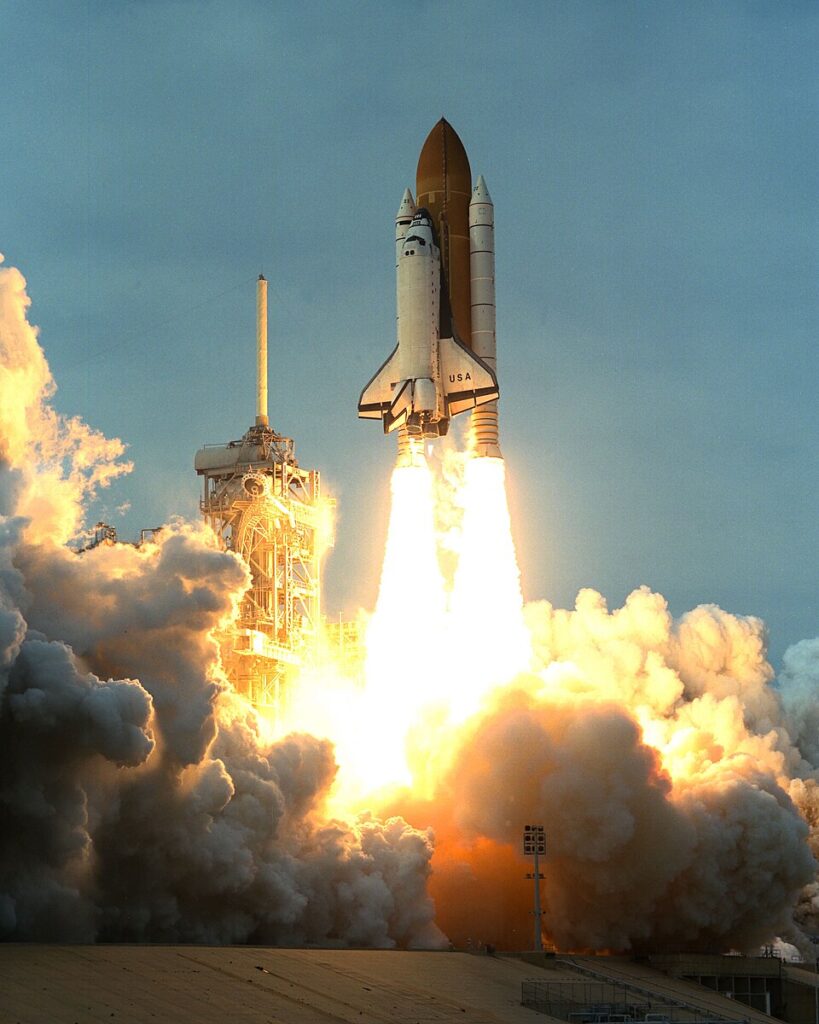
Indian American astronauts have helped expand humanity’s reach beyond Earth for nearly three decades. Beginning with Kalpana Chawla’s historic flight in 1997, followed by Sunita Williams’ record-setting missions, Sirisha Bandla’s commercial spaceflight, and Raja Chari’s command of a SpaceX mission, these achievements placed members of the Indian diaspora at the forefront of both government and […]
Kalpana Chawla
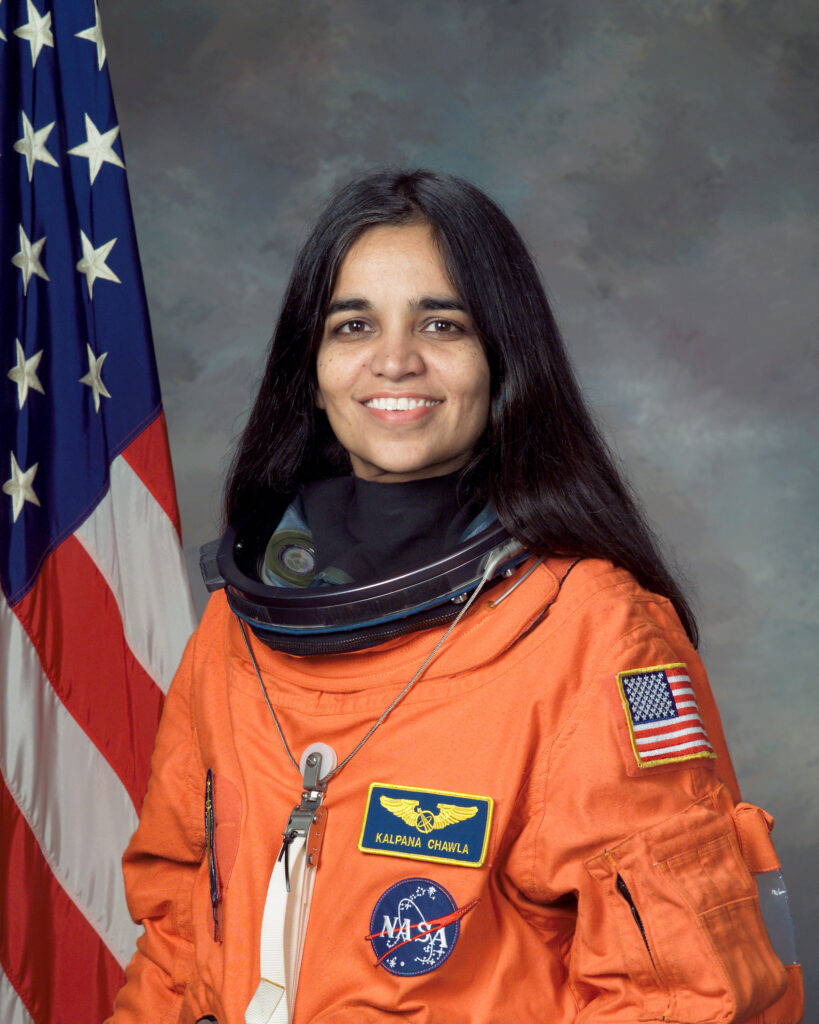
Kalpana Chawla was born in Karnal, India, and moved to the US for graduate school, earning a PhD in aerospace engineering before joining NASA in 1994. In 1997, she became the first woman of Indian origin to reach orbit. She tragically died at age forty when the Space Shuttle Columbia disintegrated during reentry over Texas on February 1, 2003. Following her death, India named a satellite in her honor.
Raja Chari
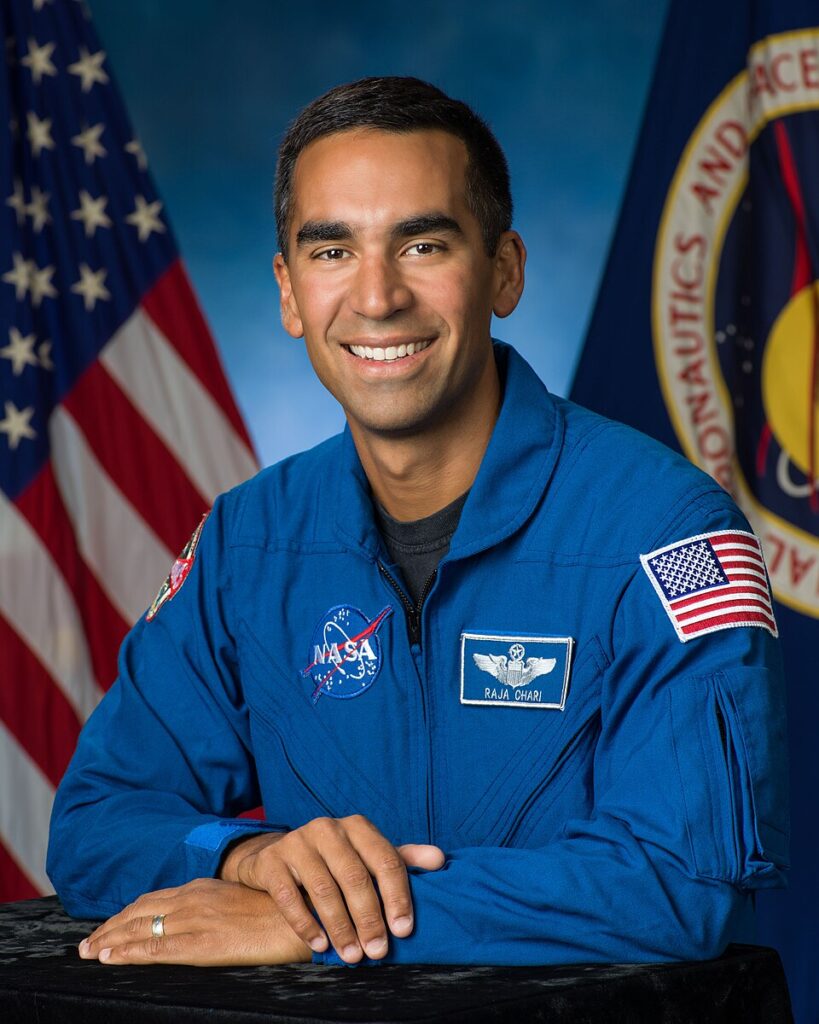
Raja Chari grew up in Iowa, the son of an Indian immigrant father. He graduated from the U.S. Air Force Academy, earned a master’s degree from MIT, and flew sixty combat missions before NASA selected him as an astronaut in 2017. In November 2021, he commanded the multinational SpaceX Crew-3 mission to the International Space Station. He became the first Indian American to command an ISS mission, spending 176 days in orbit before returning in May 2022.