

Indian Culinary Pioneers Establish America’s First Footprint
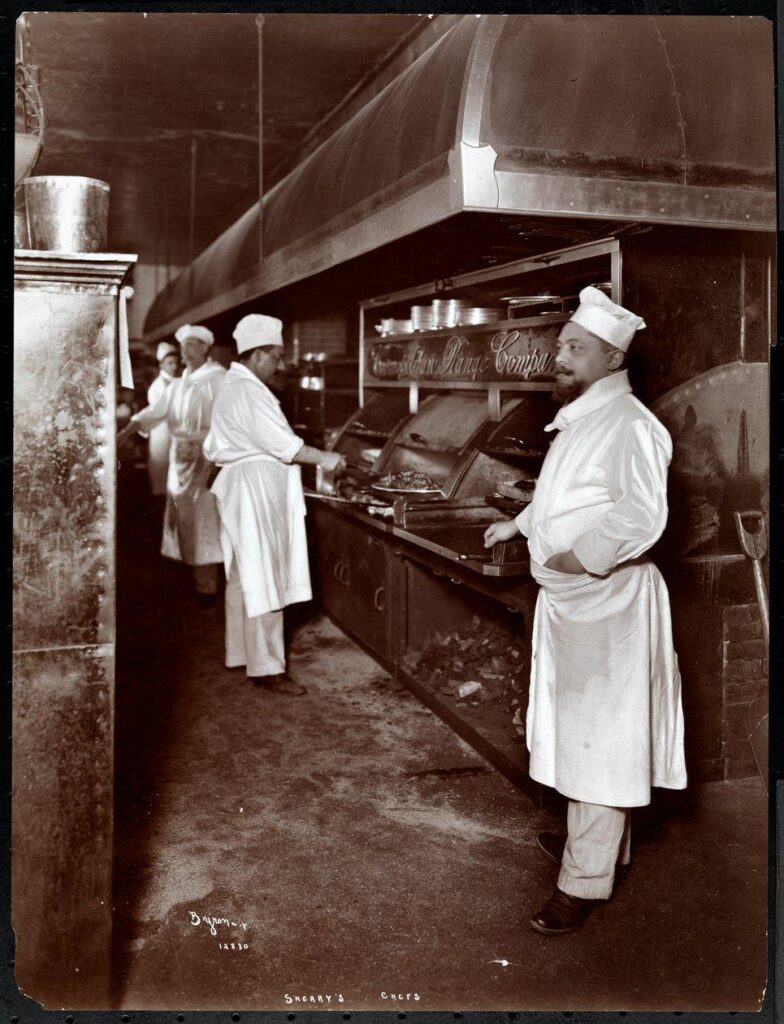
Indian culinary traditions established an American foothold decades before South Asian food became mainstream. In 1899, Prince Ranji Smile gained national attention as a chef at Sherry’s in New York, challenging stereotypes and introducing American audiences to Indian culinary expertise. A few years later, K. Yaman Kira opened Ceylon India Inn in New York City, […]
Bengali Harlem Bridges Cultures in Early America
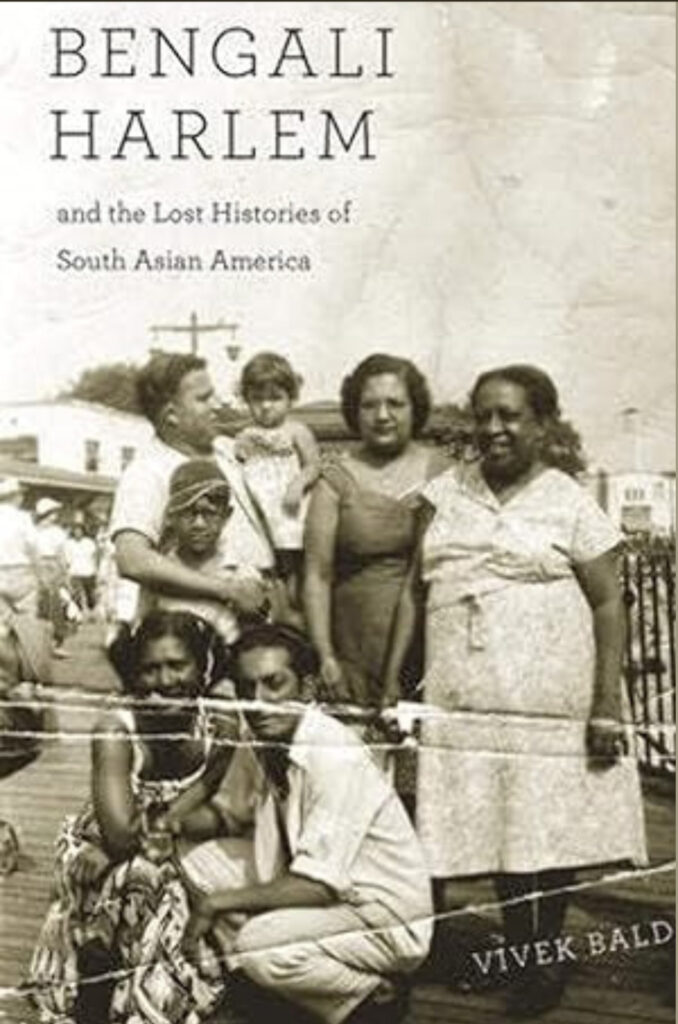
Long before the large-scale migrations of the late 20th century, these Bengali pioneers—silk traders, peddlers, and laborers—carved out existence within the margins of a racially exclusionary America. Settling in neighborhoods such as Harlem and the Lower East Side, where housing and economic opportunities were more accessible despite widespread discrimination, they built lives alongside African American […]
Indian Farmers Resist California Alien Land Law
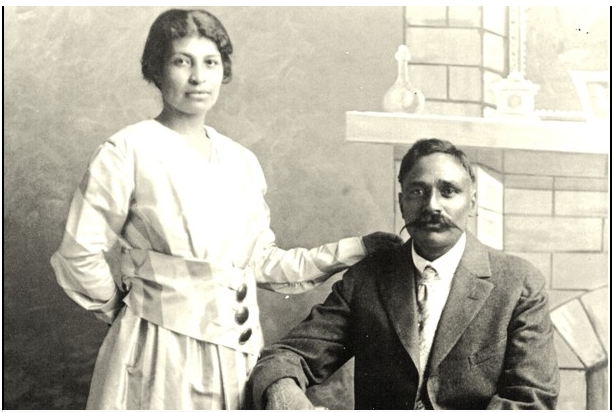
Following the 1923 Thind ruling, California’s Alien Land Laws banned South Asian immigrants from farming. Punjabi farmers resisted through underground civil disobedience, utilizing verbal, handshake crop-sharing contracts with white proxies to mask operational control. Crucially, they forged historic Punjabi-Mexican alliances, marrying Mexican women who shared similar legal exclusions. To bypass strict state asset-seizure laws, these […]
The Long Journey: Facing Bias, Finding Home
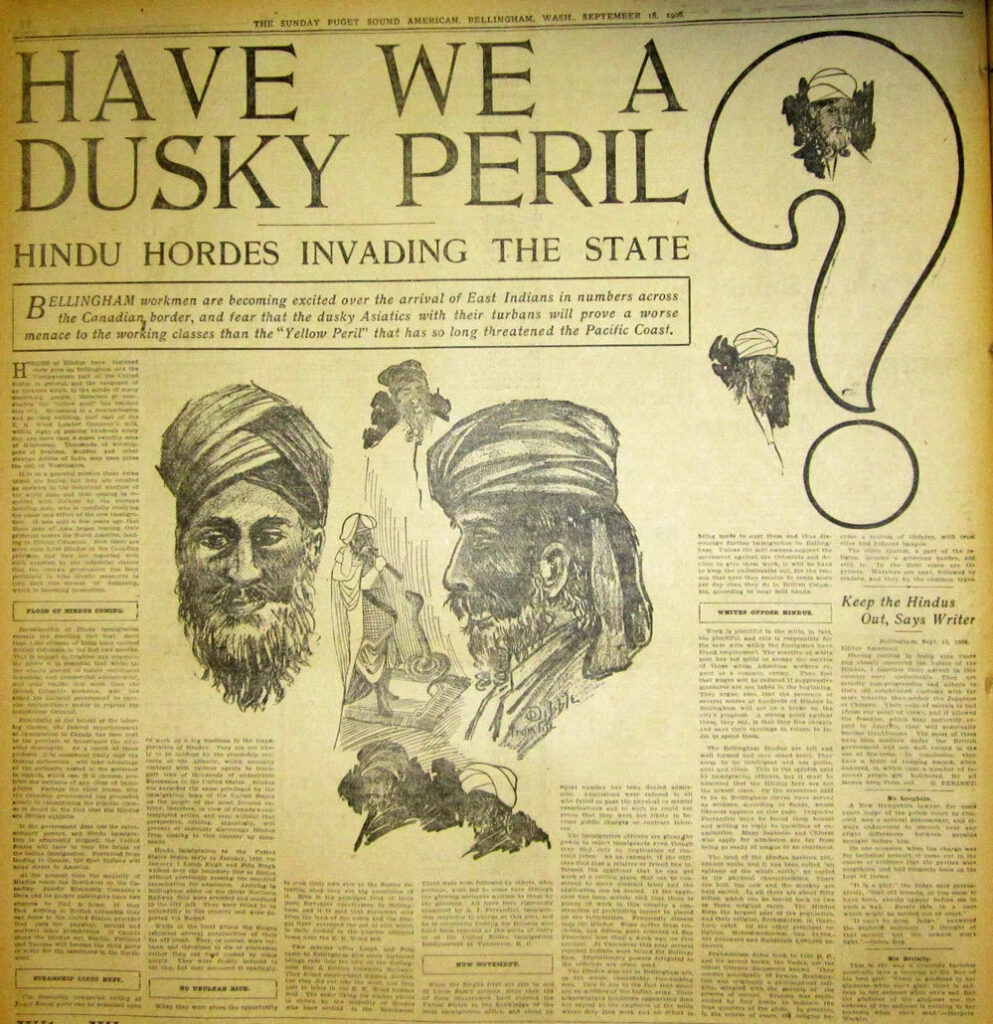
The history of Indian Americans in the United States has been marked by recurring episodes of public hatred and racial violence. In 1907, white mobs in Bellingham, Washington, drove hundreds of Sikh lumber workers from the city. Decades later, the “Dotbusters” gang terrorized South Asians in New Jersey, culminating in the 1987 murder of Navroze […]
The Diaspora Builds Its Houses of Worship
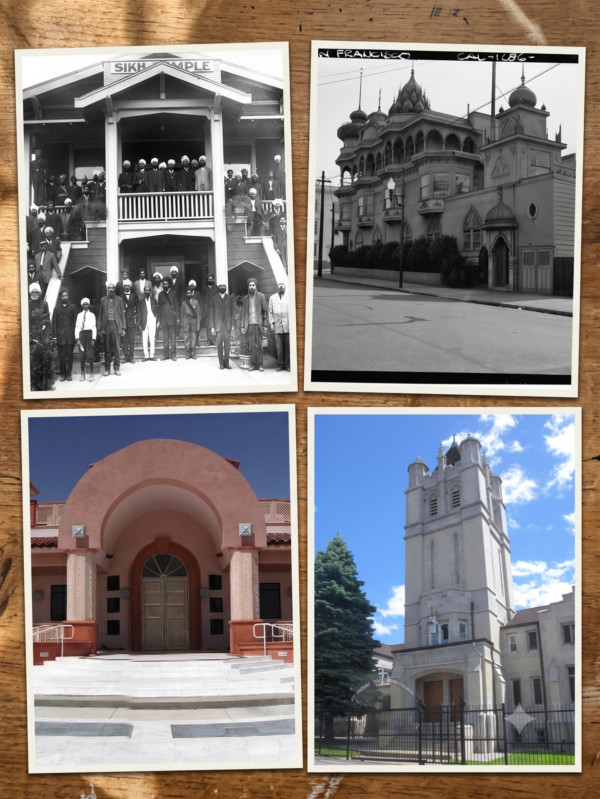
South Asian immigrants transformed scattered religious communities into enduring American institutions by establishing houses of worship across the United States. The first purpose-built Hindu temple opened in San Francisco in 1905, followed by the Gurdwara Sahib of Stockton in 1912, the first Sikh gurdwara in the Western Hemisphere. After 1965, rapid immigration spurred the founding […]
The Bootstrappers: Building Without Capital
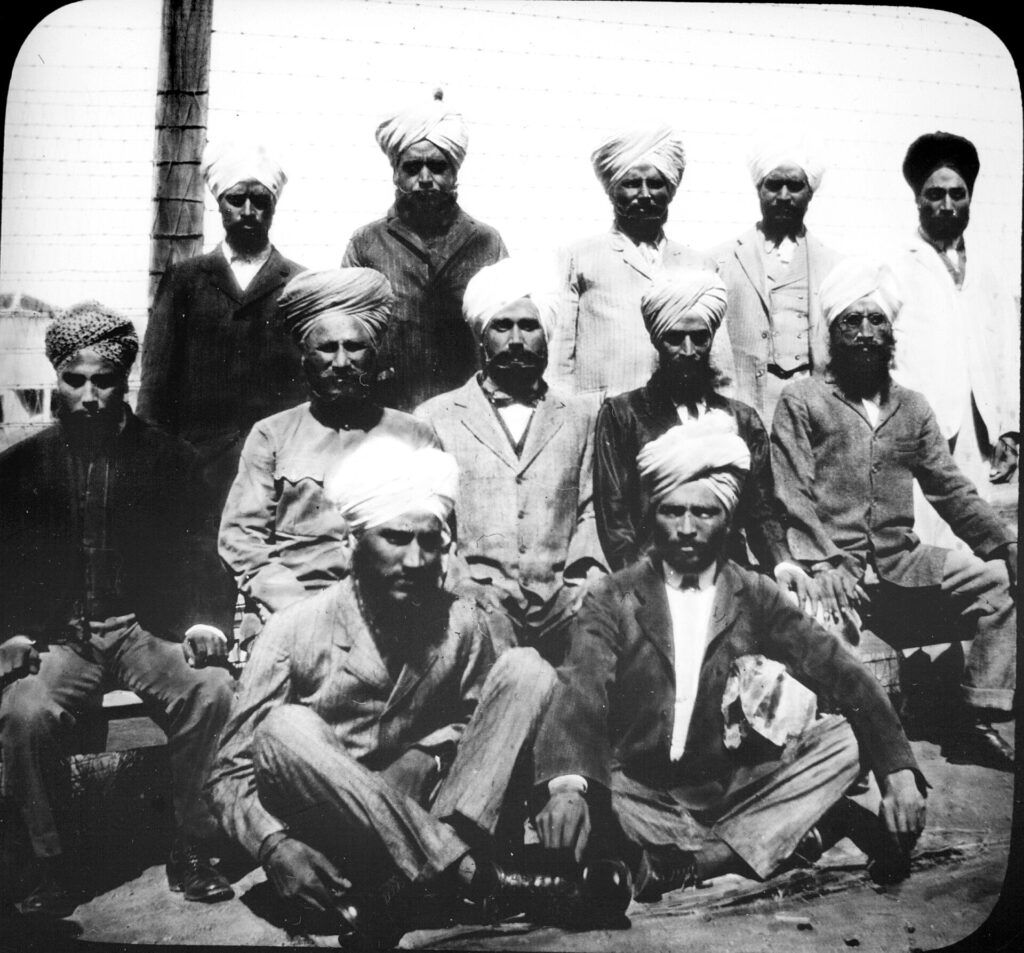
Denied access to traditional financing, early South Asian immigrants in the US built businesses through family networks, community lending, and entrepreneurial ingenuity. Punjabi Sikh farmers in California pooled resources to acquire farmland and eventually became major producers in the Sacramento Valley. Decades later, similar bootstrapping strategies helped launch thousands of Indian American businesses across industries. […]
Basanta Koomar Roy Becomes First Indian American Journalist in Mainstream US Press
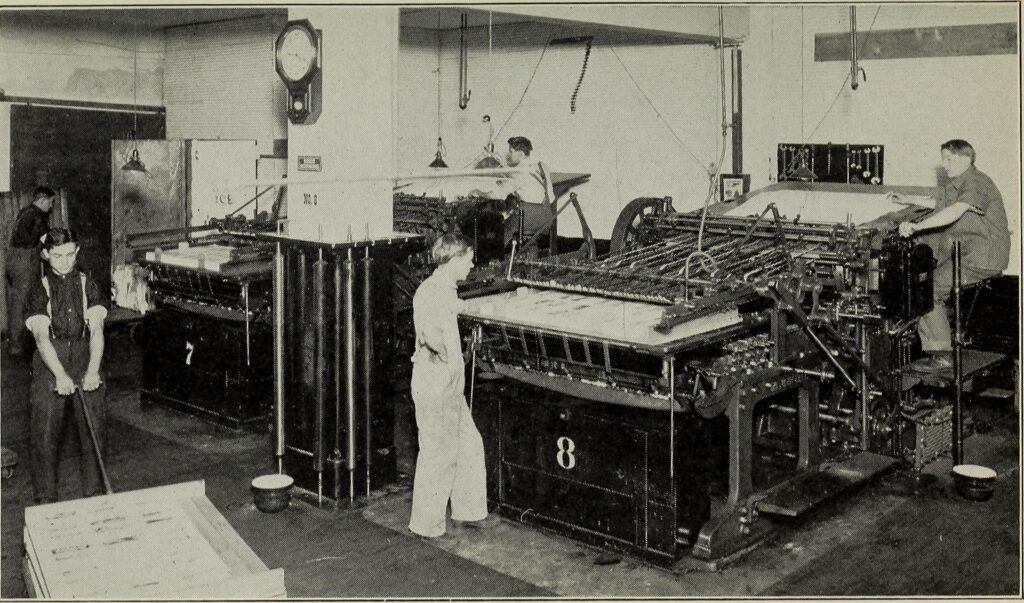
Basanta Koomar Roy emerged as one of the earliest Indian voices in mainstream American journalism by writing directly for publications such as The Open Court and The Independent. At a time when most Americans encountered India through British colonial perspectives, his reporting offered an independent viewpoint on politics, culture, and empire. Beyond journalism, he defended […]
The Birth of a Community Builder
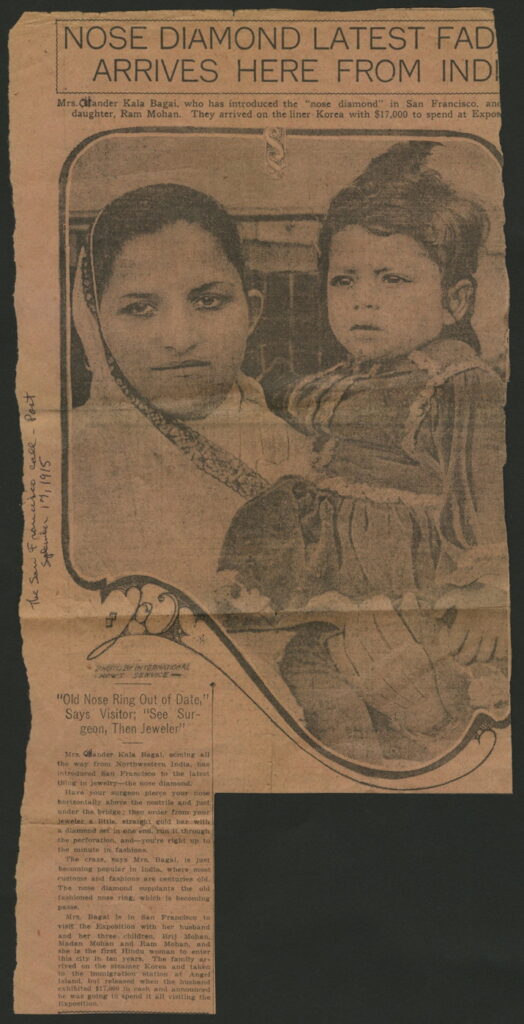
Kala Bagai’s arrival in 1915 marked her as a pioneer, but her true impact blossomed from tragedy. After the 1923 Supreme Court ruling stripped her family of citizenship and her husband, Vaishno, died by suicide in 1928, she was left a stateless widow in a country that had rejected them. Rather than retreating, she channeled […]
The Long Fight for Indian Naturalization Rights
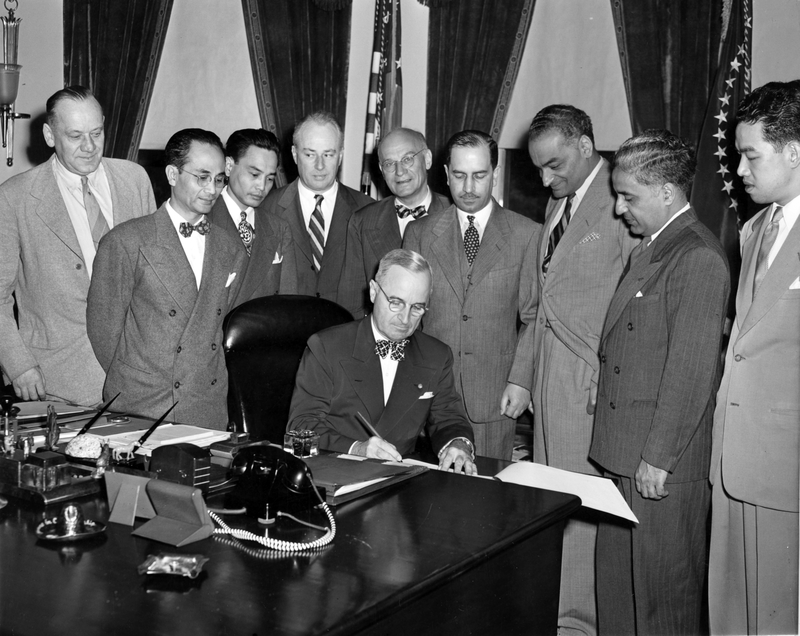
For four decades, Indian immigrants waged a continuous legal and political battle for the right to become American citizens. Early court victories established fragile precedents that were overturned in 1923 by United States v. Bhagat Singh Thind, leading to the loss of citizenship for many Indian Americans and, in some cases, land losses under California’s […]
United States v. Bhagat Singh Thind
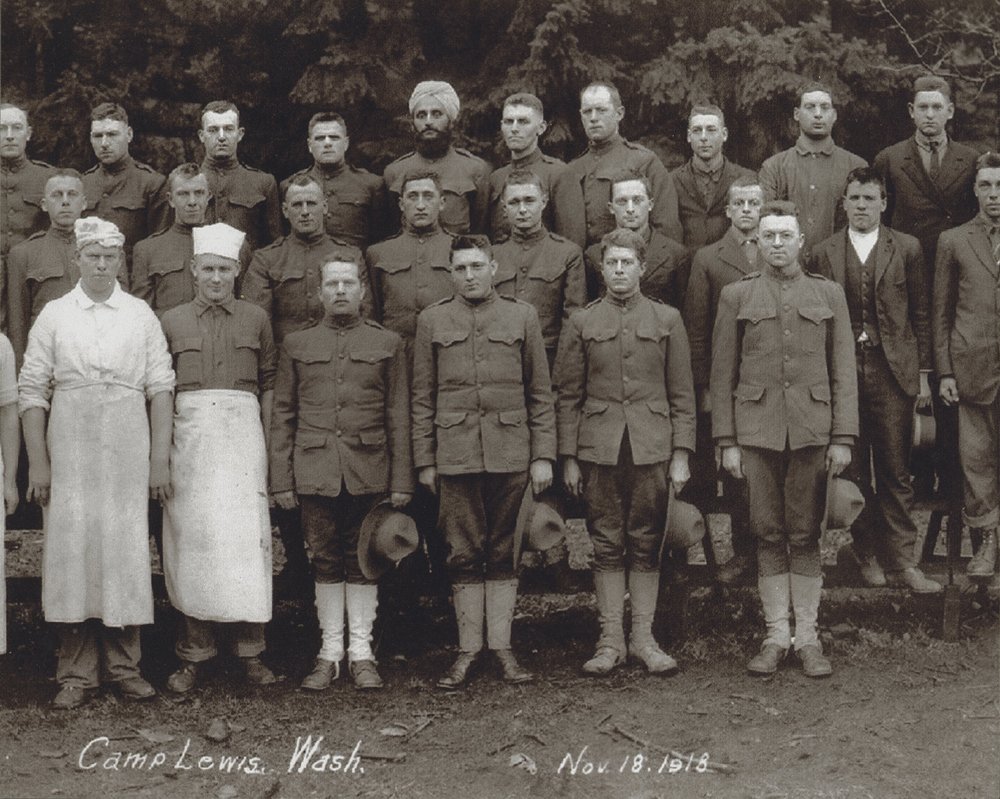
In 1918, Bhagat Singh Thind enlisted in the U.S. Army, later seeking naturalization. Though initially granted citizenship, it was revoked when the Bureau of Naturalization challenged his eligibility as a non-“white” person. This set the stage for the landmark 1923 Supreme Court case, United States v. Bhagat Singh Thind. The Court ruled unanimously against him, […]