
Vinod Dham
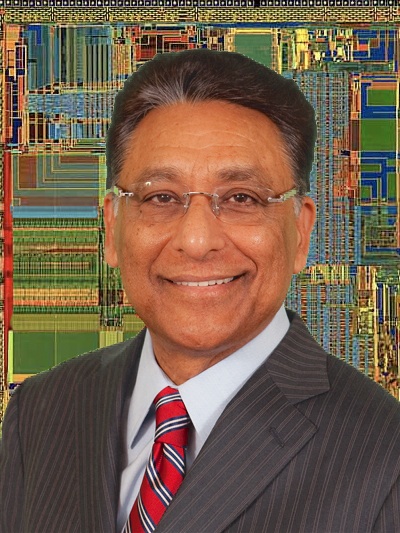
Vinod Dham was an engineer and technology executive best known for leading the development of the Pentium microprocessor at Intel. Often called the “Father of the Pentium Chip,” he played a central role in advancing the performance of personal computers during the 1990s. The Pentium became one of the most successful microprocessors in computing history, […]
Arogyaswami Paulraj
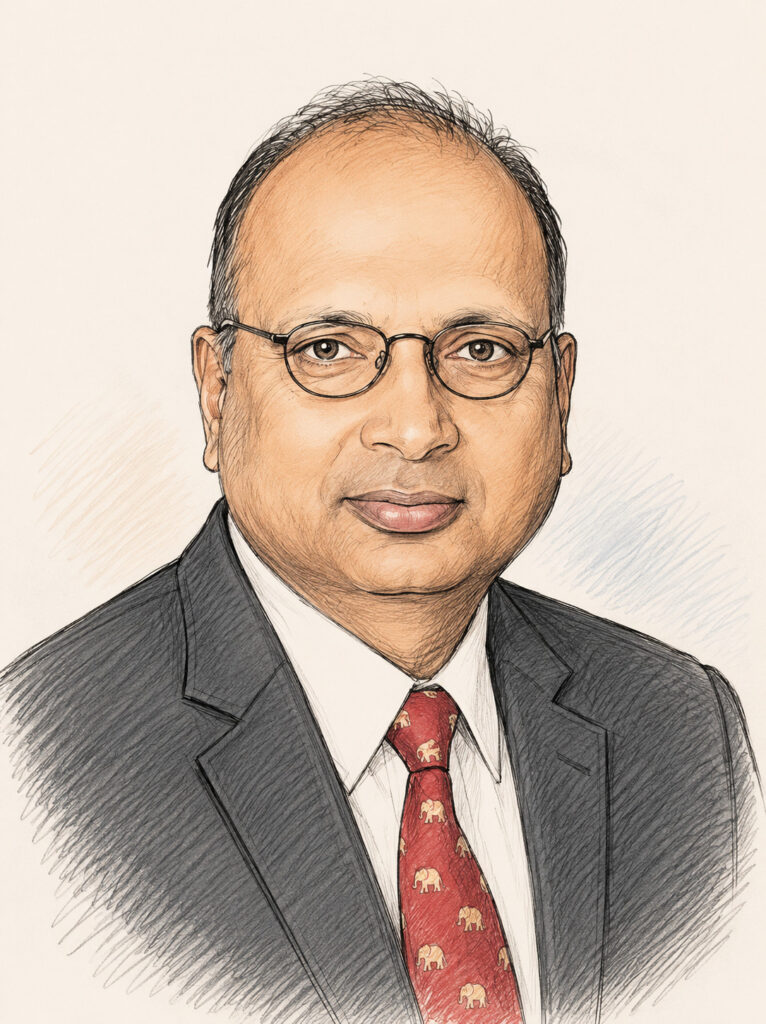
Arogyaswami Paulraj is an electrical engineer whose research transformed modern wireless communications. At Stanford University, he developed MIMO technology, a breakthrough that fundamentally changed how wireless networks transmit data at scale. His invention became the backbone of Wi-Fi, 4G, and 5G infrastructure, enabling the high-speed mobile connectivity used by billions worldwide. Paulraj also founded several […]
V.S. Ramachandran
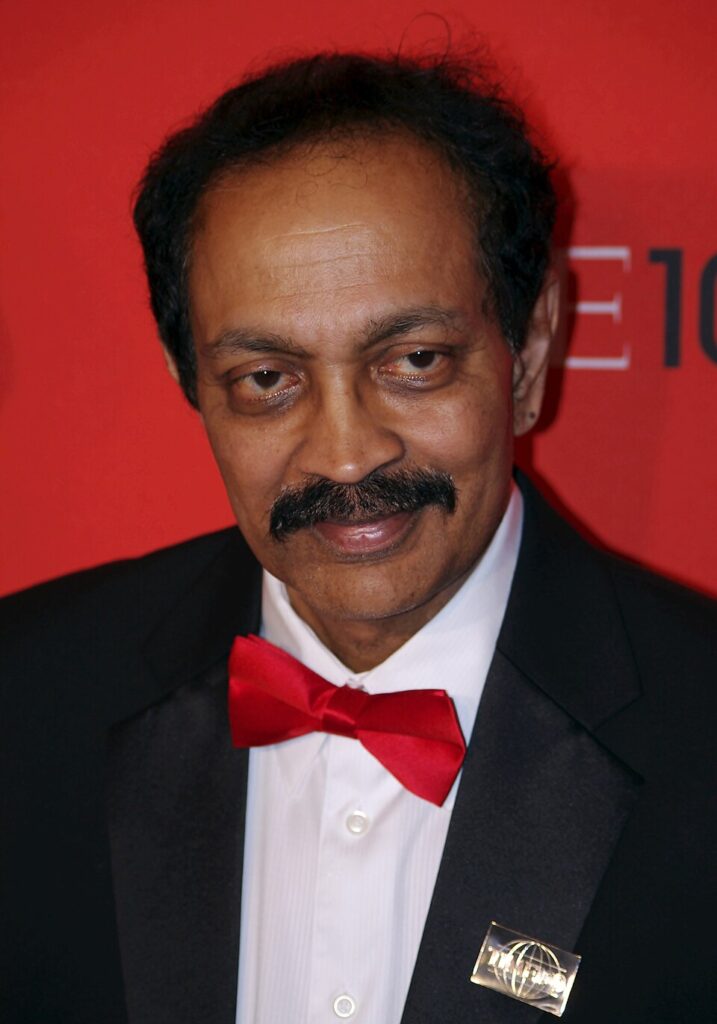
V.S. Ramachandran is a neuroscientist whose research helped advance understanding of the human brain and neuroplasticity. At University of California, San Diego, he developed mirror visual feedback therapy, a simple but influential technique that alleviates phantom limb pain by retraining the brain’s sensory perceptions. His work demonstrated the brain’s remarkable capacity to adapt and reorganize […]
Mriganka Sur
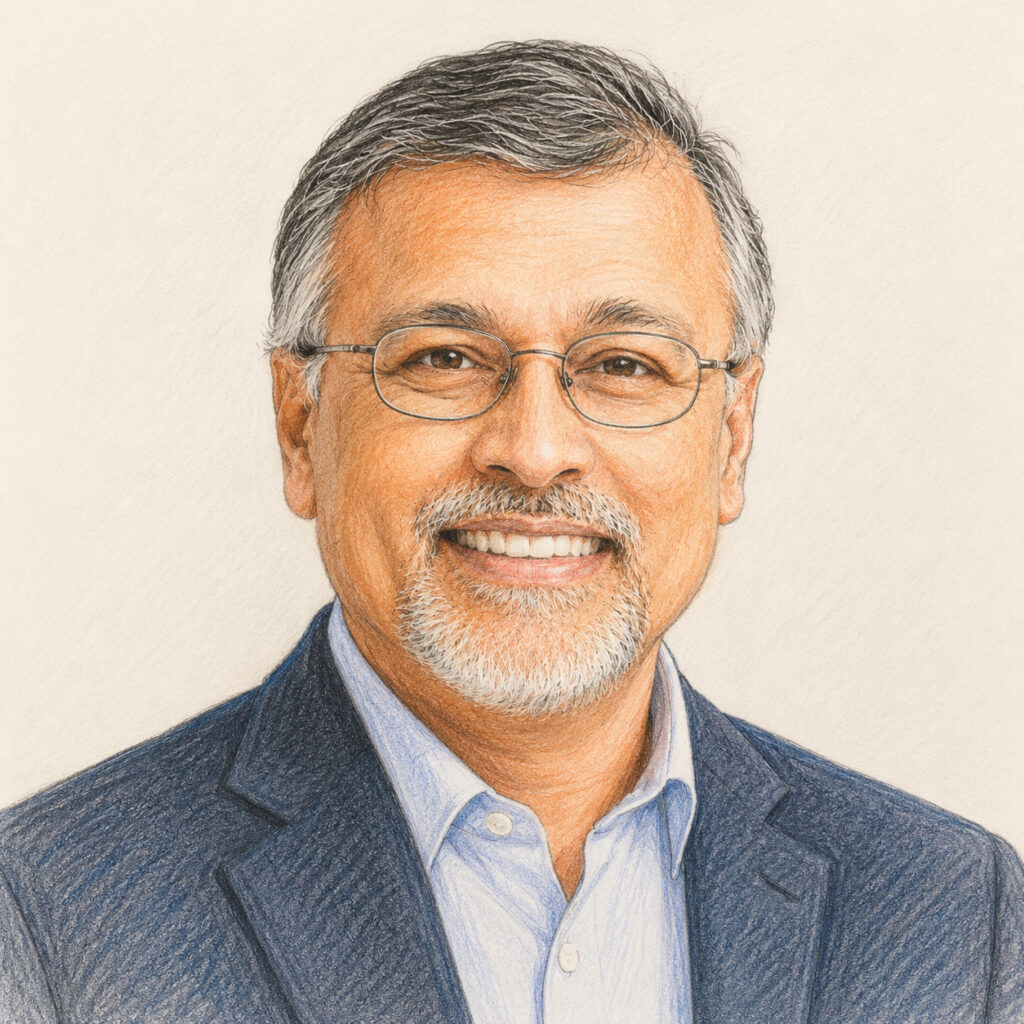
Mriganka Sur is a neuroscientist whose research transformed scientific understanding of brain plasticity and sensory processing. At Massachusetts Institute of Technology, he conducted pioneering experiments demonstrating that the neocortex can reorganize and adapt in response to new inputs, revealing an unexpected capacity for neural rewiring. His work challenged long-held assumptions about fixed brain function and […]
Arumugam Manthiram
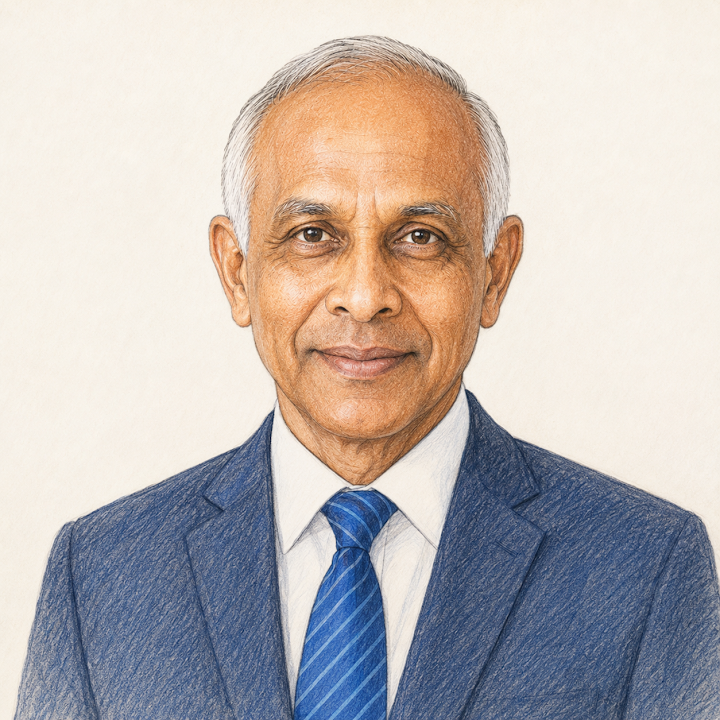
Arumugam Manthiram is a materials scientist whose research has helped advance modern battery technology. Working with John Goodenough at The University of Texas at Austin, he contributed to the development of cathode materials that improved the performance, stability, and energy density of lithium-ion batteries. His work has supported the widespread adoption of portable electronics, electric […]
B. Jayant Baliga
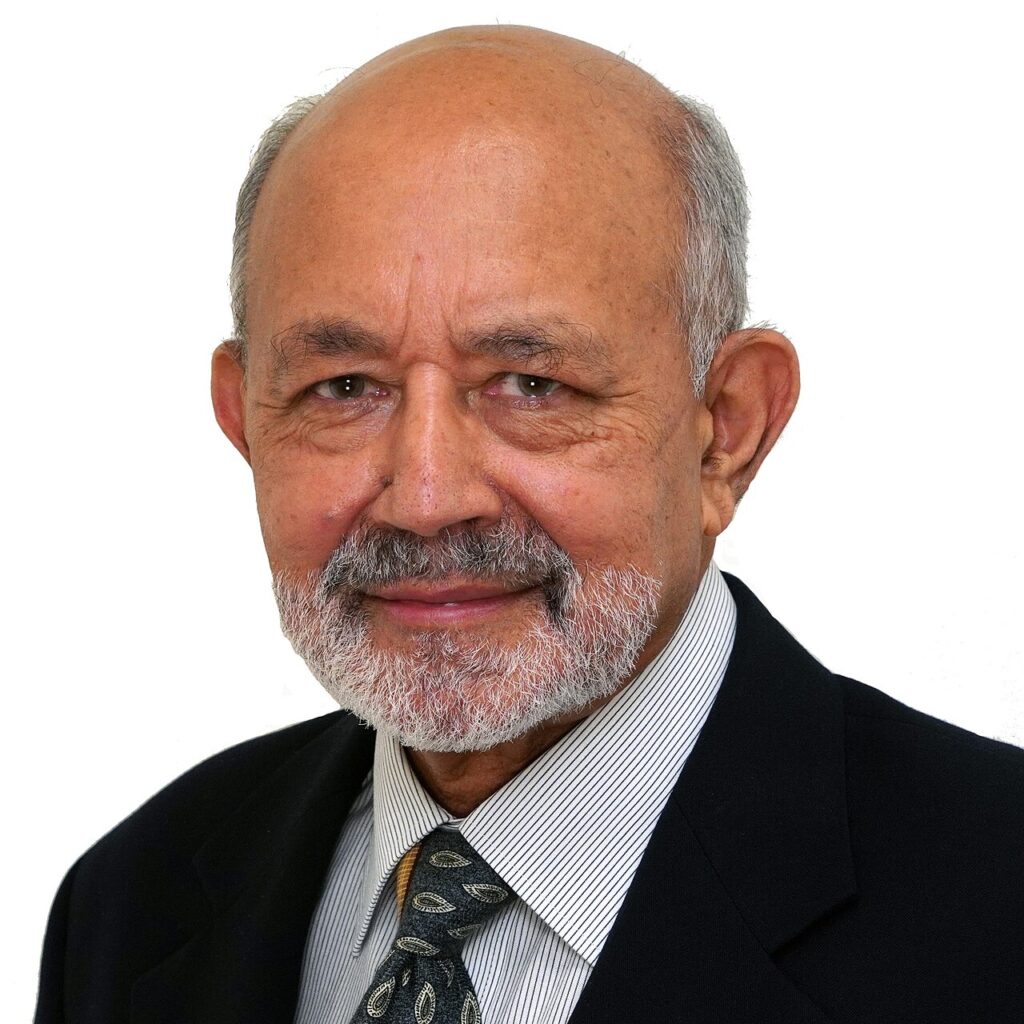
B. Jayant Baliga is an electrical engineer best known for inventing the Insulated Gate Bipolar Transistor (IGBT), one of the most widely used power semiconductor devices in the world. While working at General Electric and later at North Carolina State University, he developed and helped commercialize technologies that revolutionized power electronics. The IGBT enabled more […]
Har Gobind Khorana
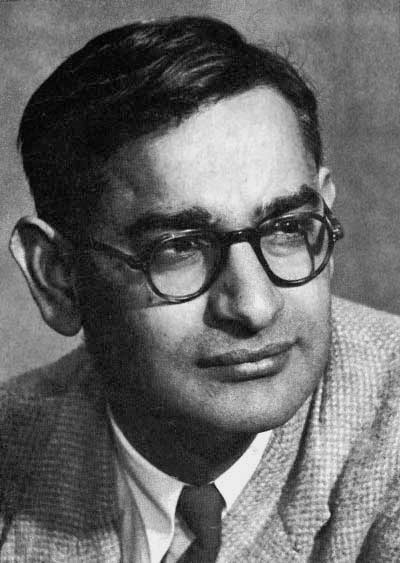
Har Gobind Khorana was a biochemist whose research helped establish the foundations of modern molecular biology and biotechnology. Working at the University of Wisconsin–Madison and later at Massachusetts Institute of Technology, he helped decipher how genetic information encoded in nucleic acids directs the production of proteins. He pioneered techniques for the chemical synthesis of oligonucleotides and artificial genes, methods that became essential tools in genetics and biotechnology. Awarded the Nobel Prize in 1968, Khorana’s work continues to underpin genetic research, sequencing, diagnostics, and therapeutic development.
C. Kumar Patel
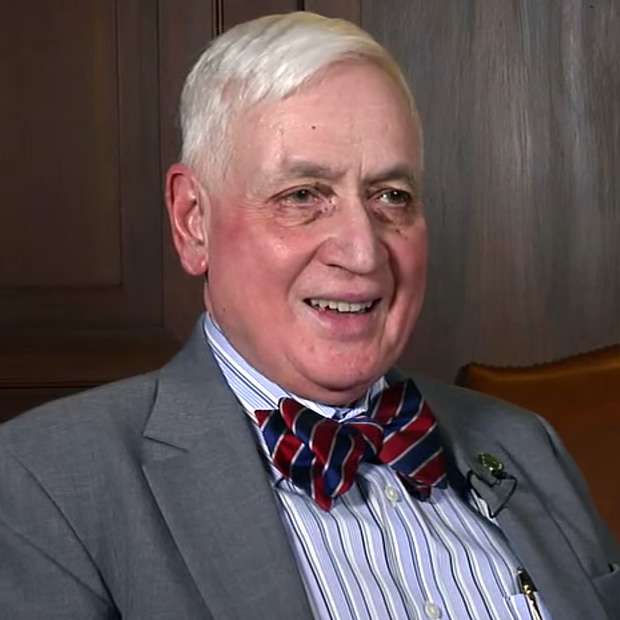
C. Kumar Patel is a physicist and engineer best known for inventing the carbon dioxide (CO₂) laser, one of the most important laser technologies ever developed. While at Bell Labs, he created a high-power laser that transformed industrial manufacturing, materials processing, and medical procedures. The technology became widely adopted around the world for cutting, welding, and precision applications. Patel later served as Vice Chancellor for Research at University of California, Los Angeles and held dozens of patents, leaving a lasting impact on both scientific research and technological innovation.
Narinder Singh Kapany
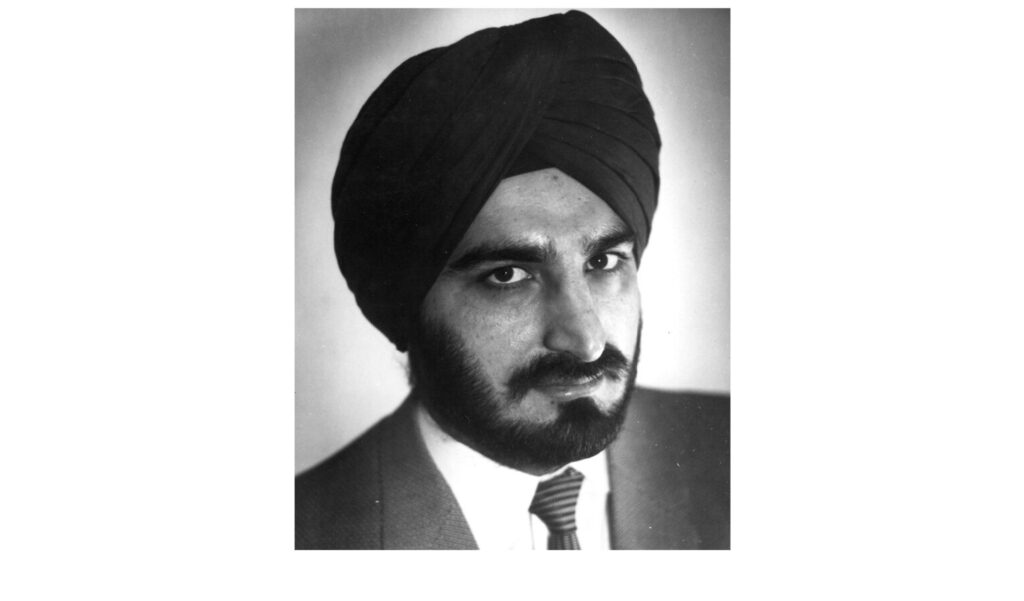
Narinder Singh Kapany was a physicist, entrepreneur, and pioneer of fiber optics whose research helped create the foundations of modern telecommunications. After demonstrating the transmission of light through glass fibers, he brought the technology from the laboratory to the marketplace, founding companies in Silicon Valley and helping establish fiber optics as a commercial industry. He authored the first book on the subject and held more than 100 patents. Often called the “Father of Fiber Optics,” Kapany’s work laid the groundwork for the high-speed communications networks that power the modern internet age.
Subrahmanyan Chandrasekhar
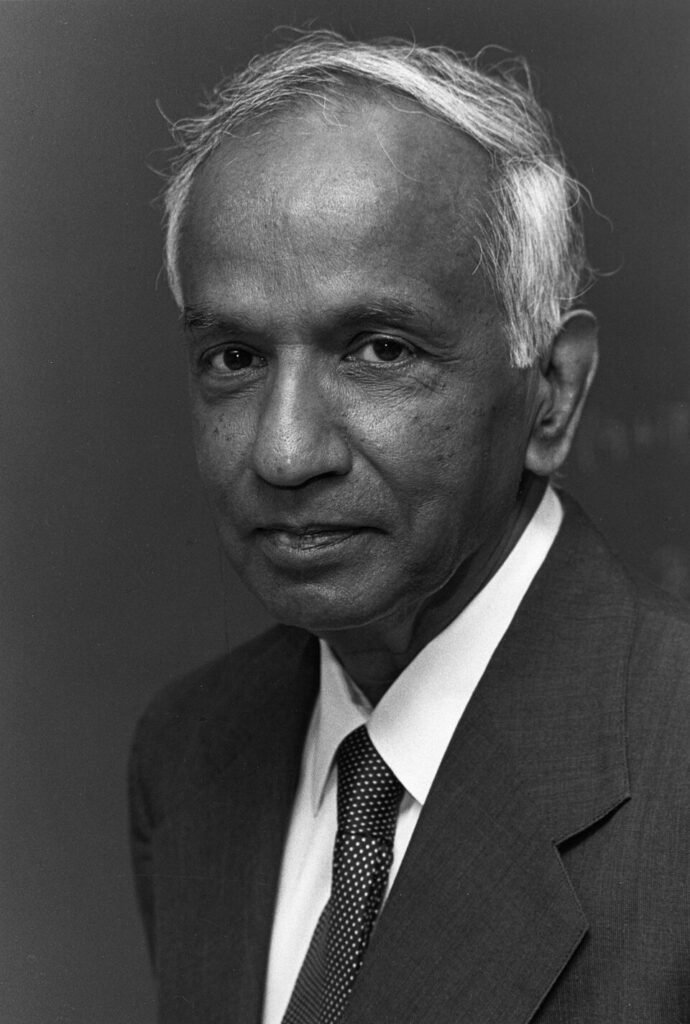
Subrahmanyan Chandrasekhar, a pioneering astrophysicist at University of Chicago, transformed modern theoretical astronomy through groundbreaking work on stellar structure, stellar evolution, and radiative transfer. His calculation of the Chandrasekhar Limit, the maximum mass of a stable white dwarf star, became a cornerstone of astrophysics. Over a career spanning decades in the United States, he helped shape the field through both research and mentorship, while also serving as editor of the Astrophysical Journal for nearly twenty years. His contributions established him as one of the most influential scientists of the twentieth century.