

Yellapragada SubbaRow
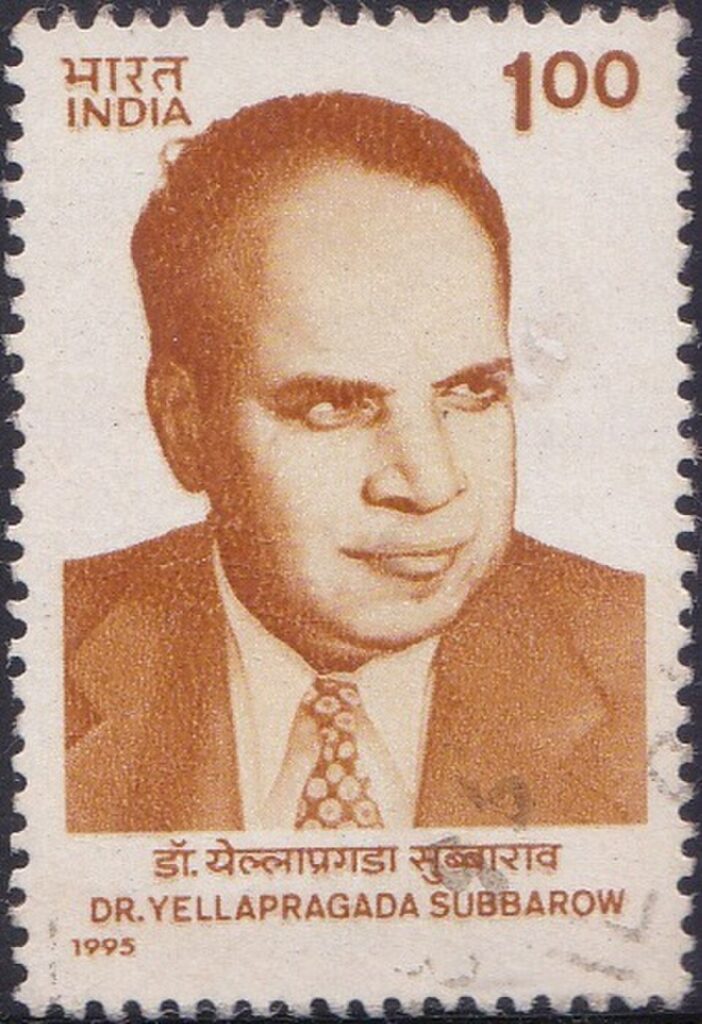
Yellapragada SubbaRow immigrated from India to Boston in 1923 and worked as a Harvard dormitory attendant to pay for his studies. During a 25-year career in American science, he identified ATP as the fundamental energy molecule of cells and synthesized folic acid to enable widespread prenatal care. His laboratory also created the first broad-spectrum antibiotic and the first drug to put childhood leukemia into remission. Despite his achievements, racial barriers in academia blocked his promotion, and he died at his desk in 1948 without receiving a tenured position.
Balu Natarajan
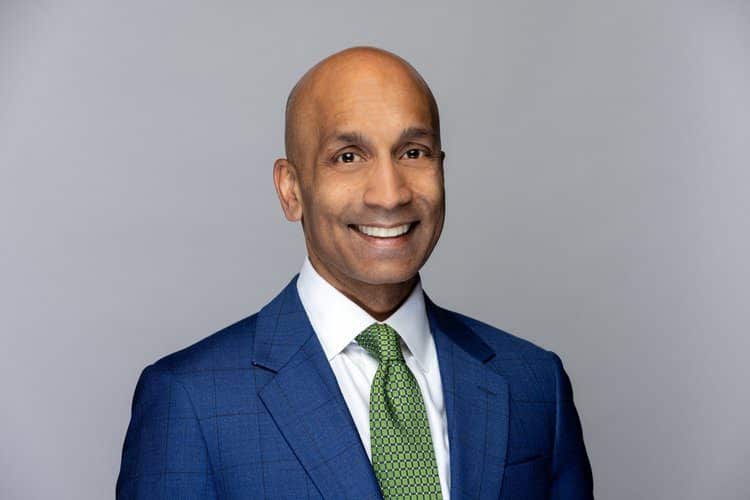
Balu Natarajan grew up in Chicago as the son of Tamil immigrants. In 1985, at the age of thirteen, he won the Scripps National Spelling Bee, making him the first person of Indian origin to achieve this feat. He later established a career as a sports medicine physician in Chicago. Throughout his life, he has remained actively involved in his local Indian American community.
Raja Chari
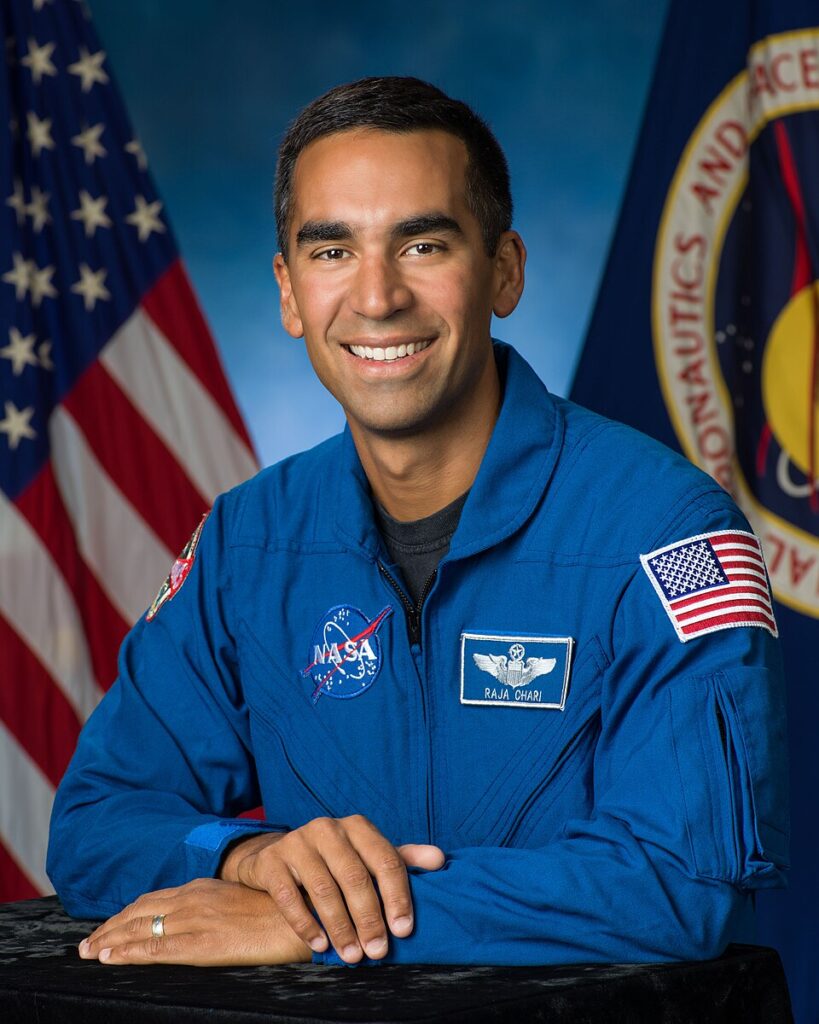
Raja Chari grew up in Iowa, the son of an Indian immigrant father. He graduated from the U.S. Air Force Academy, earned a master’s degree from MIT, and flew sixty combat missions before NASA selected him as an astronaut in 2017. In November 2021, he commanded the multinational SpaceX Crew-3 mission to the International Space Station. He became the first Indian American to command an ISS mission, spending 176 days in orbit before returning in May 2022.
Nupur Lala
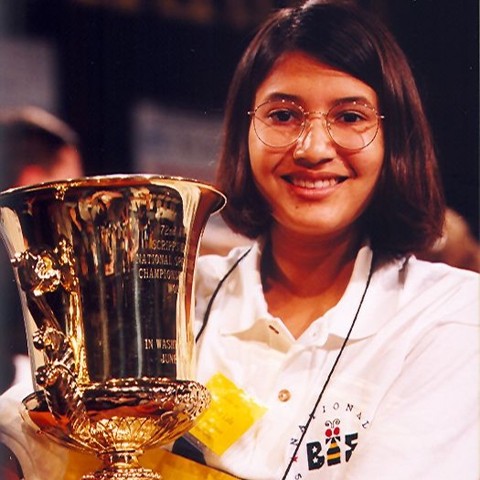
Nupur Lala was raised in Tampa, Florida, by Telugu immigrant parents. In 1999, she won the Scripps National Spelling Bee by correctly spelling the word “logorrhea”. Her victory gained widespread attention because filmmaker Jeff Blitz documented her experience for the 2002 Oscar-nominated film Spellbound. The documentary introduced millions of Americans to the pressures and dynamics of a first-generation Indian American family. After her spelling bee success, Lala pursued a career in science.
Dalip Singh Saund
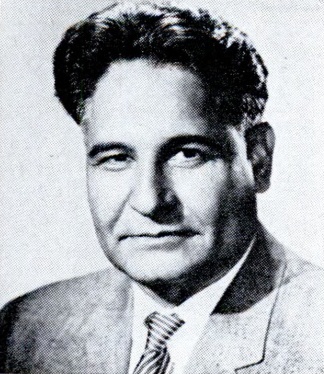
Dalip Singh Saund arrived in the United States in 1920 to study at the University of California, Berkeley, where he successfully earned a mathematics doctorate. For two decades, he worked as a farmer in California’s Imperial Valley because discriminatory American laws prevented South Asians from becoming naturalized citizens. Once the laws changed in 1946, he entered local politics. In 1952, he was elected Justice of the Peace, becoming the first Indian American to hold an elected office. He later won a seat in Congress in 1956. A stroke ended his third term, and he died in 1973.