Dr. Kiran Musunuru
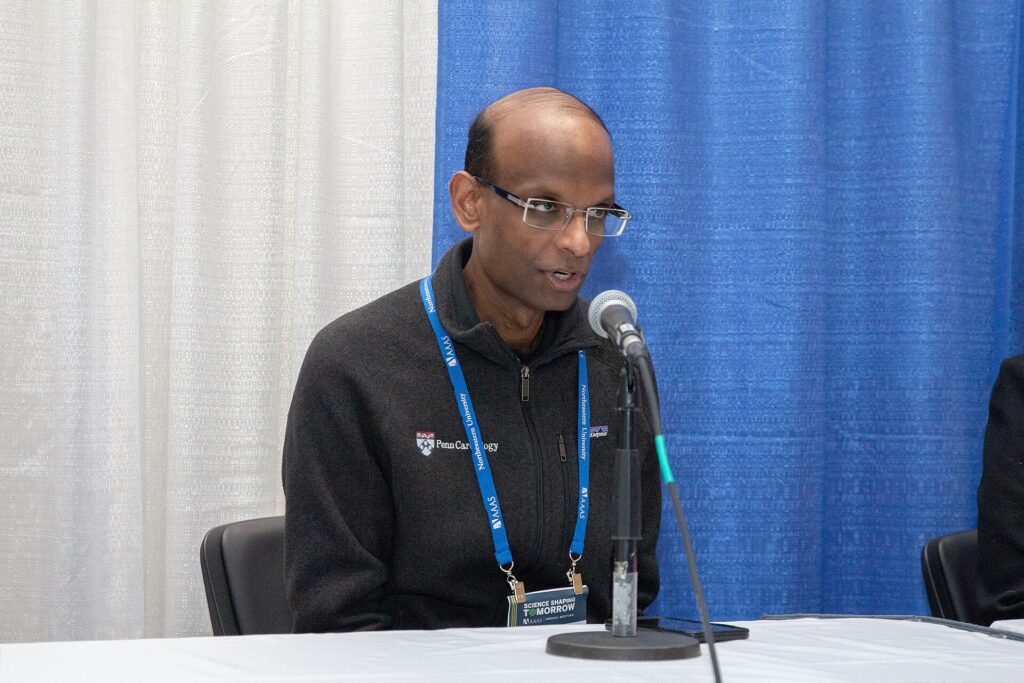
Dr. Kiran Musunuru is a cardiologist, geneticist, and physician-scientist at the University of Pennsylvania whose research has advanced the field of precision genomic medicine. He co-led the development of the world’s first personalized CRISPR gene-editing therapy, designing a treatment tailored to a single patient’s rare genetic mutation. The breakthrough demonstrated the potential of customized gene […]
Dr. Alka Kanaya
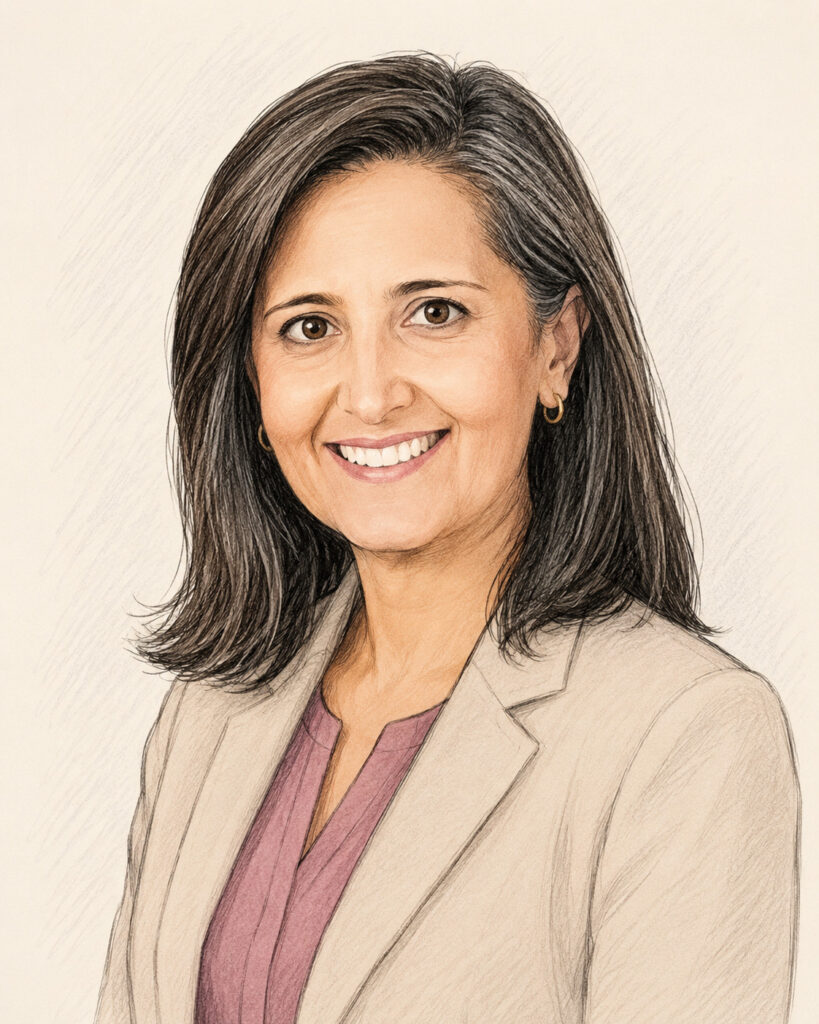
Dr. Alka Kanaya is a physician-scientist whose research has transformed understanding of cardiovascular and metabolic health among South Asian Americans. She leads the National Institutes of Health-funded MASALA (Mediators of Atherosclerosis in South Asians Living in America) study, the first major longitudinal cohort study of its kind. Her work has generated critical evidence on diabetes, […]
Dr. Enas A. Enas
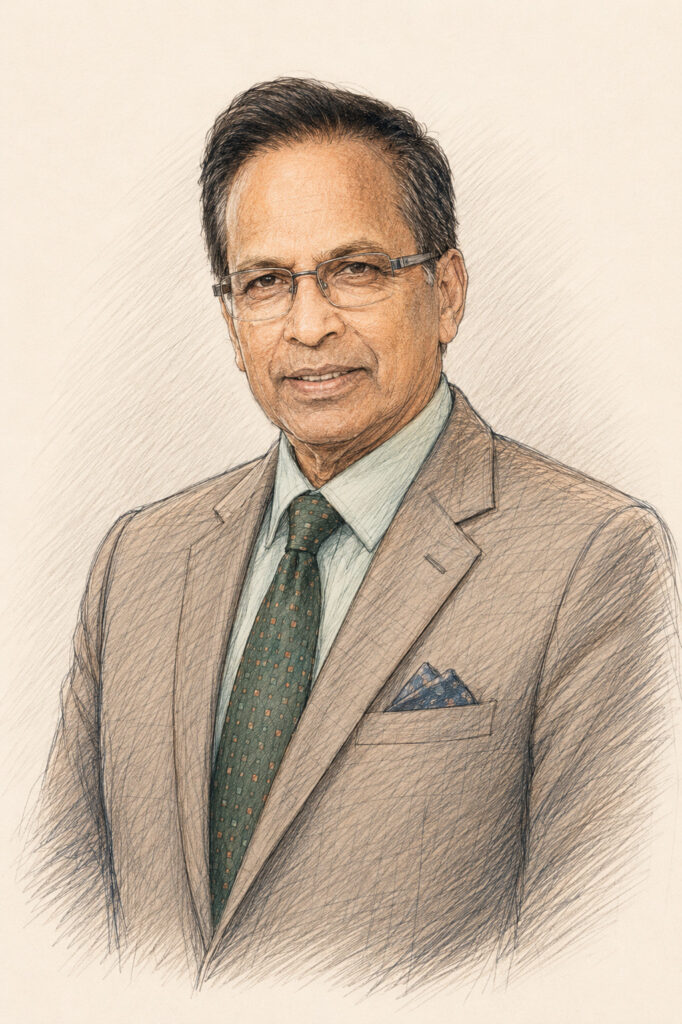
Dr. Enas A. Enas is a cardiologist whose pioneering research transformed understanding of cardiovascular disease among South Asians. In 1993, he launched the Coronary Artery Disease in Asian Indians (CADI) study, documenting the community’s disproportionately high risk of heart disease and identifying elevated lipoprotein(a), or Lp(a), as a major genetic risk factor. His work challenged […]
Dr. Suvas Desai
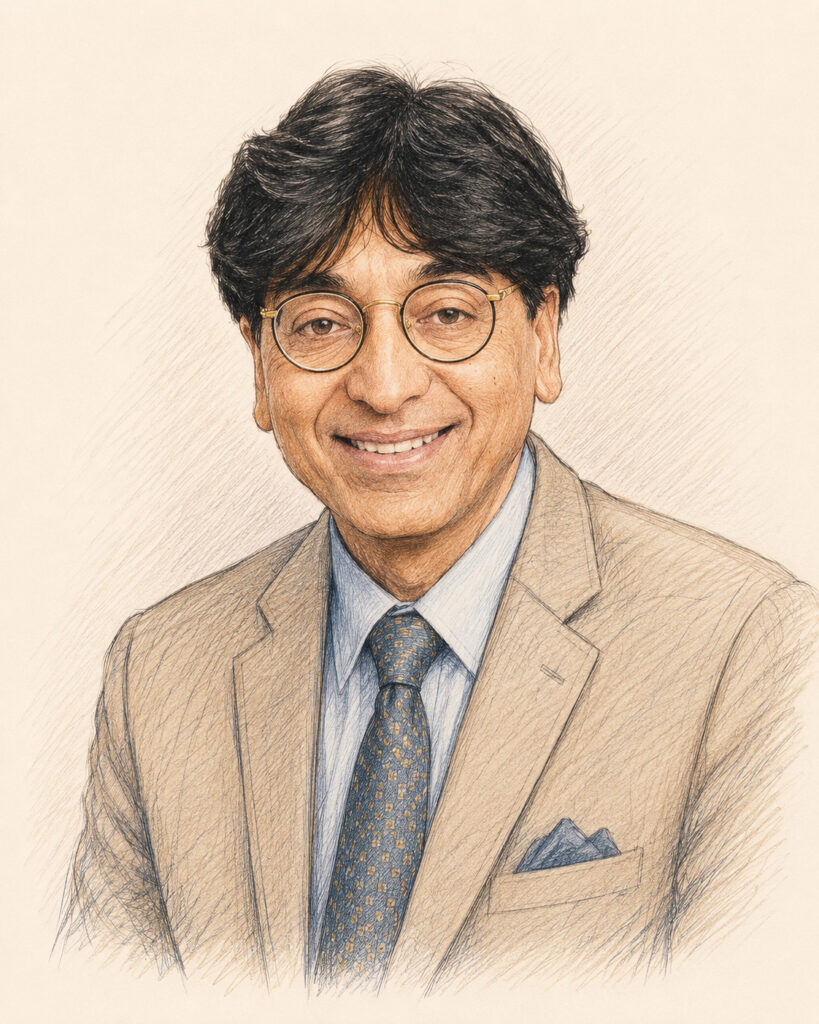
Dr. Suvas Desai is an Indian American physician and long-time leader of the American Association of Physicians of Indian Origin. He helped expand the organization’s national influence through advocacy, professional development, and engagement with the American Medical Association. His leadership contributed to reforms that strengthened the representation of international medical graduates and reinforced AAPI’s role […]
Dr. Jagan Kakarala
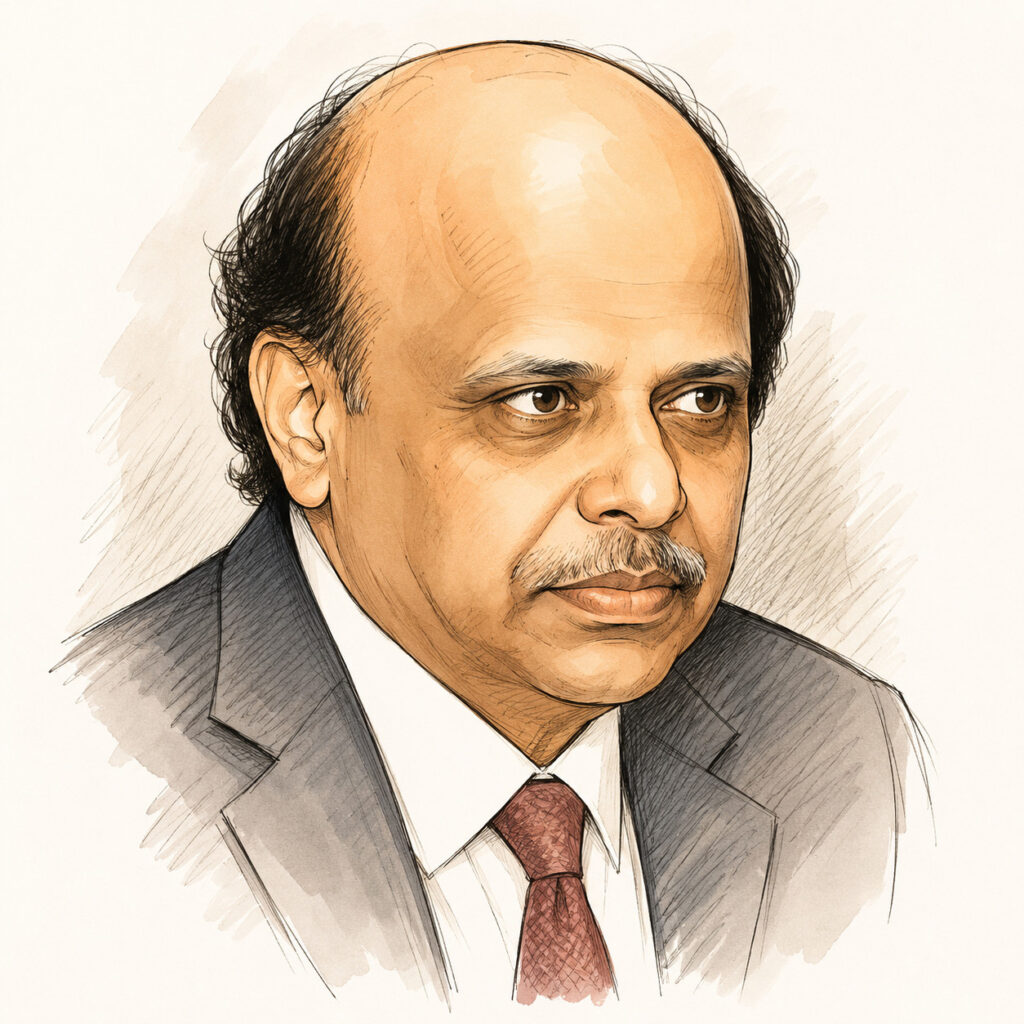
Dr. Jagan Kakarala was an early leader of the American Association of Physicians of Indian Origin who championed the professional advancement of immigrant physicians in the United States. Through advocacy, coalition building, and organizational leadership, he helped challenge longstanding barriers facing internationally trained doctors. His work contributed to expanding opportunities for foreign medical graduates and […]
Dr. Navin Shah
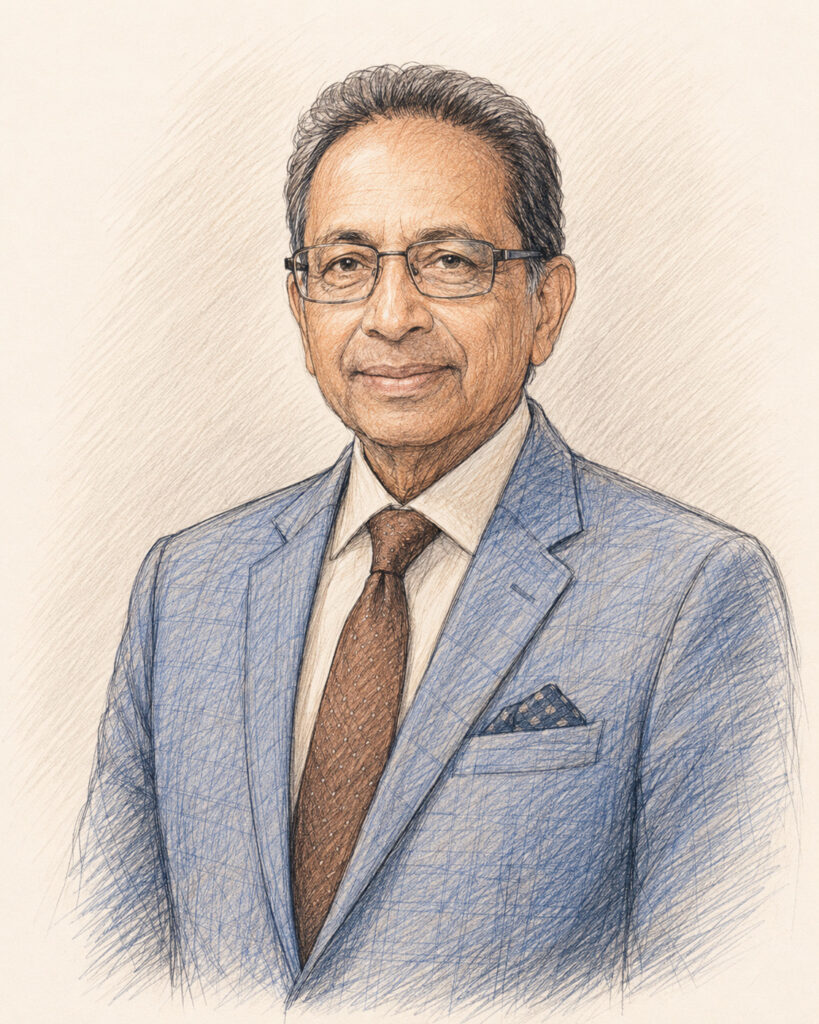
Dr. Navin Shah was a founding member of the American Association of Physicians of Indian Origin and a leading advocate for internationally trained physicians. He worked to address inequities in medical licensing, residency opportunities, and professional recognition, while helping build AAPI into one of the nation’s largest ethnic medical organizations. His advocacy contributed to the […]
Dr. Ujamlal Kothari
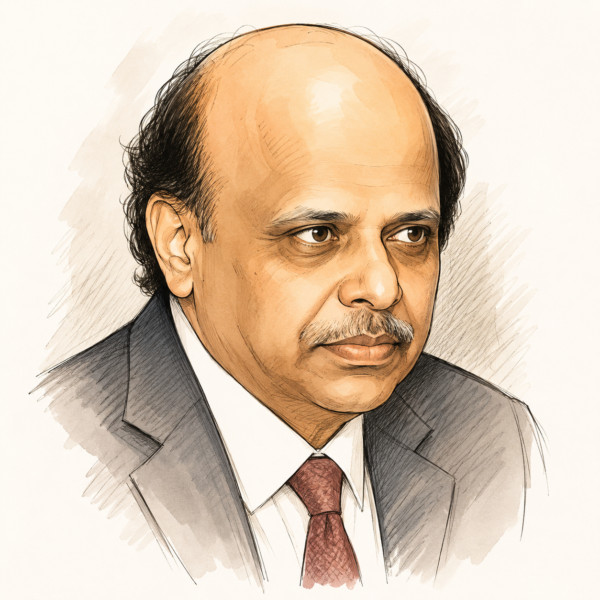
Dr. Ujamlal Kothari was a founding leader of the American Association of Physicians of Indian Origin (AAPI). Recognizing the barriers faced by internationally trained physicians, he helped unite Indian American doctors into a national professional organization dedicated to advocacy, mentorship, and public service. His leadership laid the institutional foundation for AAPI’s campaign to secure greater […]
Mani Lal Bhaumik
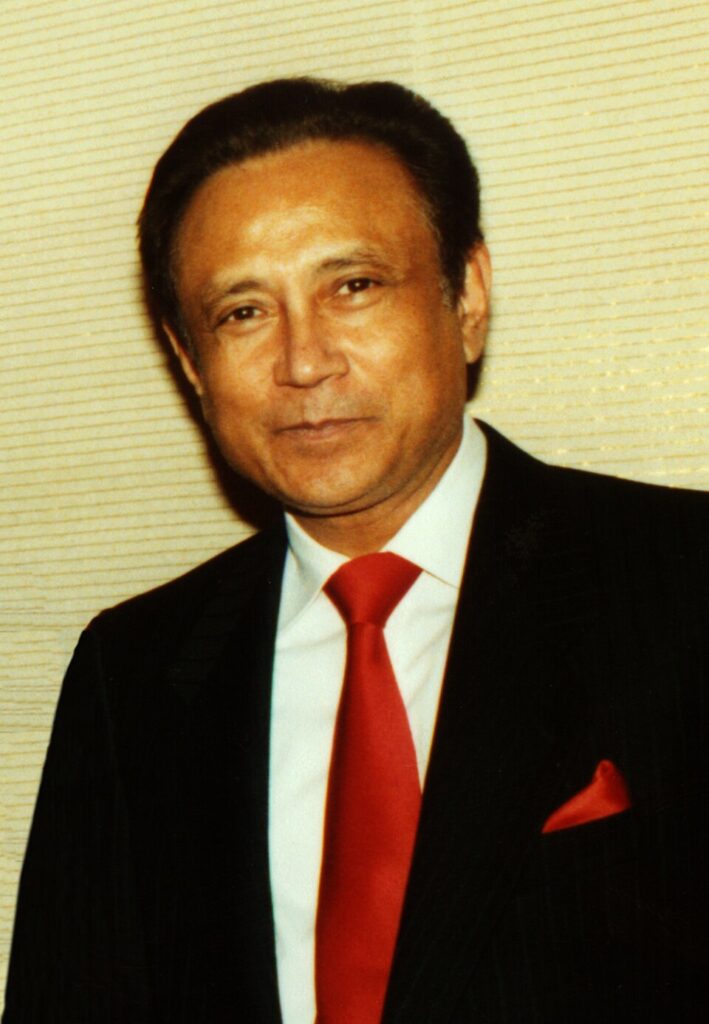
Mani Lal Bhaumik is a physicist whose pioneering work at Northrop Corporate Research Laboratory led to the development of the first efficient excimer laser in 1973. Originally designed for scientific and industrial applications, the technology became the foundation for LASIK and other laser eye surgeries, restoring vision to millions of people worldwide. Bhaumik’s research exemplified […]
Anandi Gopal Joshi
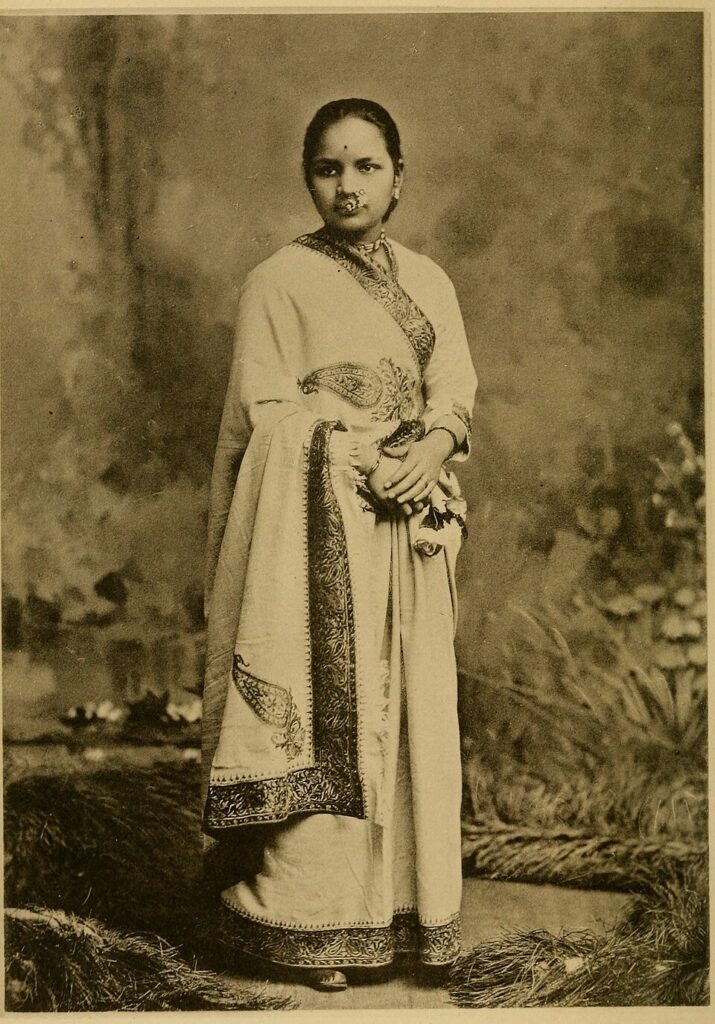
Anandi Gopal Joshi was a medical pioneer who became the first Indian woman to earn a Western medical degree, graduating from the Woman’s Medical College of Pennsylvania in 1886 at the age of 21. Her thesis explored obstetrics in Hindu society, reflecting an early exchange of medical knowledge between India and the United States. At […]
Yellapragada SubbaRow
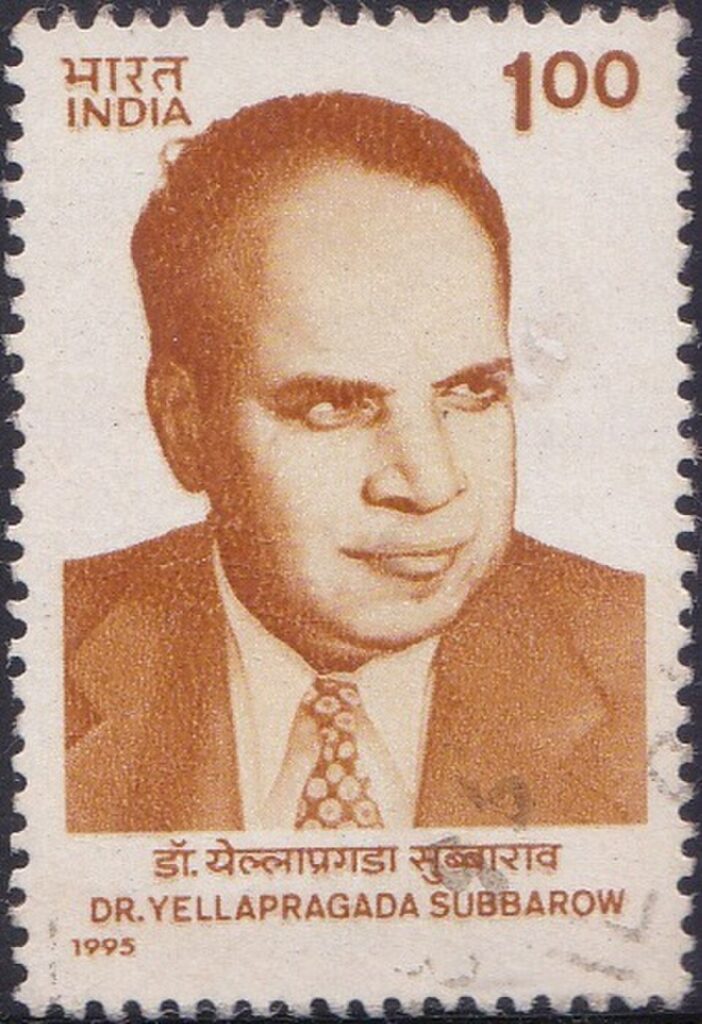
Yellapragada SubbaRow immigrated from India to Boston in 1923 and worked as a Harvard dormitory attendant to pay for his studies. During a 25-year career in American science, he identified ATP as the fundamental energy molecule of cells and synthesized folic acid to enable widespread prenatal care. His laboratory also created the first broad-spectrum antibiotic and the first drug to put childhood leukemia into remission. Despite his achievements, racial barriers in academia blocked his promotion, and he died at his desk in 1948 without receiving a tenured position.